NASA's Artemis 3 Moon Mission Delayed to 2028 Due to SpaceX Starship Timeline Issues
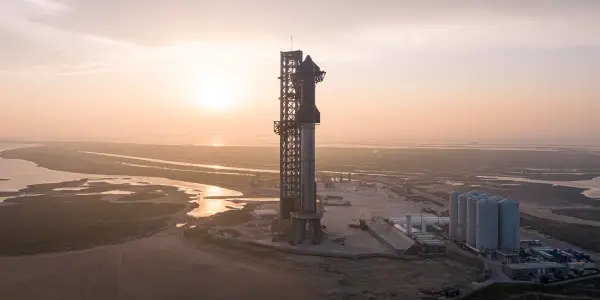
The ambitious Artemis 3 mission to return astronauts to the lunar surface faces significant delays as SpaceX's Starship development falls behind schedule.
In-depth analysis
New discoveries
Recent developments in SpaceX's Starship program have revealed both progress and challenges in lunar exploration. While the vehicle has achieved significant milestones, such as the recovery of its Super Heavy booster, its upper stage has faced setbacks, highlighting the complexities of ensuring a reliable lunar landing system for future missions.
Mission updates
The Artemis 3 mission is now projected to be postponed until 2028 due to delays in the SpaceX Starship's development, impacting the timeline for landing astronauts on the lunar surface.
Who is affected
The delays in the Artemis 3 mission affect not only NASA and SpaceX but also the broader scientific community and stakeholders invested in lunar exploration. The postponement may hinder advancements in sustainable human presence on the Moon and delay potential scientific discoveries.
Next steps
Moving forward, SpaceX must focus on refining the Starship's reusability and ensuring operational readiness. NASA will continue to monitor these developments closely, as they are crucial for maintaining the integrity of the Artemis program's timeline.
Did you know?
Why we should care
The delays in NASA’s Artemis 3 mission have implications beyond space exploration. A postponed lunar landing means missed opportunities for scientific advancements and technological innovations that could benefit life on Earth. The mission's aim to send the first woman and person of color to the Moon also represents progress in inclusivity, inspiring future generations. Every year of delay could stifle interest and investment in STEM fields, affecting education and career pathways for young people.
The universe's unsolved mystery
The Artemis 3 delays highlight a larger enigma: humanity's struggle with interstellar exploration. Despite advancements in technology, the path to understanding our universe remains fraught with challenges. Why do we persist in seeking to explore the Moon and beyond? It reflects an innate curiosity and desire for connection with the cosmos, an urge to answer the profound questions about our existence and place in the universe.
The person who looks at the stars
Meet Elena Garcia, a high school science teacher in Houston with a passion for space. Inspired by the Apollo missions, she instills a sense of wonder in her students, encouraging them to dream of becoming astronauts and engineers. As the delays in Artemis 3 unfold, she feels the weight of missed opportunities. Elena uses this moment to teach resilience, explaining that setbacks are part of the journey in exploration. She organizes stargazing nights, helping her students connect with the universe, fostering hope for a future where they might one day step onto the Moon themselves. For Elena, the stars are not just distant points of light; they symbolize the potential of her students to reach for the impossible.
Potential Evidence of Dark Matter Emerges from...
Webb Telescope Reveals Unprecedented Cosmic...

Apple Introduces Emergency SOS via Satellite in...

New Simulations Shed Light on the Enigmatic...
Charlotte: The Lunar 3D Printer Poised to...

Top Black Friday Smartwatch Deals Worth...

NASA's Campaign to Monitor Interstellar Comet...
Boeing's Upcoming Starliner Mission Set for April...
Ancient Galaxies: A Chaotic Early Universe...
NASA and Blue Origin Successfully Launch Dual...

OnePlus 15 vs. Samsung Galaxy S25 Plus: A Clash...
Exploring the Composition of Cosmic Voids

Potential Alien Disclosure May Trigger Bitcoin...
NASA's ESCAPADE Probes Set for Unique Journey to...
X5.1 Solar Flare Triggers G4 Geomagnetic Storm...
James Webb Telescope Identifies Rapidly Growing...

This Week In Space Podcast: Episode 187 Explores...

FULU Foundation Introduces Repair Bounty System...

Unusual Wind from Neutron Star Challenges Space...
Portal Systems Aims to Revolutionize Spacecraft...

James Webb Space Telescope Discovers Ancient...
NASA's Artemis 3 Moon Mission Delayed to 2028 Due...
James Webb Space Telescope Captures Stunning...

Astronomers Uncover Evidence of Aging Stars...
ISS Crew Takes Precautions Against Radiation...

Astronomers Uncover a Rapid Star-Forming Galaxy...

China's Mars Orbiter Captures Image of...

Samsung's Galaxy S26 Ultra Set for Significant...
Mapping the Invisible: Astronomers Uncover Dark...

X-Men Return to Education in Upcoming Comic...

The Pleiades Star Cluster Reveals Its Extensive...
NASA and European Partners Prepare for...

Foundation Season 3 Hints at Deeper Asimov Themes...

Daily Roundup: November 10, 2025 – Advancements...

Urwerk Unveils Limited-Edition 100V 'LightSpeed'...
Astronauts aboard the ISS Capture Stunning Images...
India Successfully Launches CMS-03 Military...
James Webb Space Telescope May Have Detected the...
Rogue Moons: A New Frontier for Life Beyond Stars