James Webb Space Telescope Discovers Nearby Brown Dwarfs Misidentified as Distant Galaxies
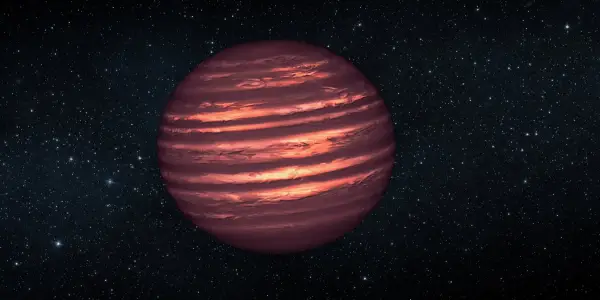
The James Webb Space Telescope has revealed that nearby brown dwarfs were mistaken for distant galaxies, highlighting challenges in astronomical observations.
In-depth analysis
New discoveries
The James Webb Space Telescope has identified two nearby brown dwarfs, Bullet-BD1 and Bullet-BD2, previously misclassified as distant galaxies. This finding highlights the challenges of distinguishing celestial objects due to their similar appearances, emphasizing the need for precise observational techniques in astronomy to enhance our understanding of the universe's complex structure.
Mission updates
Recent observations from the JWST have confirmed that initially suspected distant galaxies are actually brown dwarfs within the Milky Way. This revelation marks a crucial advancement in the telescope's mission to accurately map and analyze cosmic phenomena.
Who is affected
Astronomers and astrophysicists are directly impacted by this discovery, as it challenges existing classifications of celestial objects. Additionally, the broader scientific community benefits from improved methodologies in identifying and studying low-mass brown dwarfs, which could reshape our understanding of star formation.
Next steps
Future research will focus on conducting further spectroscopic analyses of brown dwarfs to deepen insights into their formation processes. This ongoing investigation aims to refine techniques for distinguishing between various celestial objects and enhance our knowledge of the cosmos.
Did you know?
Why we should care
The discovery of brown dwarfs like Bullet-BD1 and Bullet-BD2 impacts our understanding of the universe and its formation. For everyday life, it highlights the importance of precision in scientific research. Just as misinterpretations in data can affect medical diagnoses or weather predictions, inaccurate readings in astronomy can lead to misconceptions about our cosmic neighborhood and the fundamental nature of matter.
The universe's unsolved mystery
The misclassification of celestial bodies reveals a larger enigma in astronomy: how many more unseen objects lie within our galaxy? This challenge forces scientists to rethink observational techniques and the tools they use, raising questions about what else remains hidden in the vast expanse of space. It’s a reminder that our understanding of the universe is still incomplete.
The person who looks at the stars
Meet Dr. Elena Vargas, an astrophysicist who spends her nights observing the cosmos from a remote observatory. Growing up in a small town, she was captivated by the night sky, often using a simple telescope to explore the stars. The recent discovery of brown dwarfs reignites her passion for astronomy, reminding her of the thrill of uncovering the universe's secrets. For Dr. Vargas, each new finding is not just a data point; it's a step closer to understanding the origins of celestial bodies and their role in our galaxy. She often reflects on how these brown dwarfs, once mistaken for distant galaxies, mirror her own journey—navigating through uncertainty to find clarity and insight. Each observation fuels her desire to inspire the next generation of astronomers, underscoring the importance of meticulous exploration in unraveling the wonders of the universe.
Expert Commentary
Unusual Wind from Neutron Star Challenges Space...
Highlights of 2025 in Space Exploration: From...
Hawaiian Students Honor Gemini North Telescope's...
Recent Studies Explore Potential Exoplanet in...
James Webb Space Telescope Discovers Ancient...
Astronomers Identify Potential Earth-Like...
Italian Producer Plans Historic Film to Shoot in...
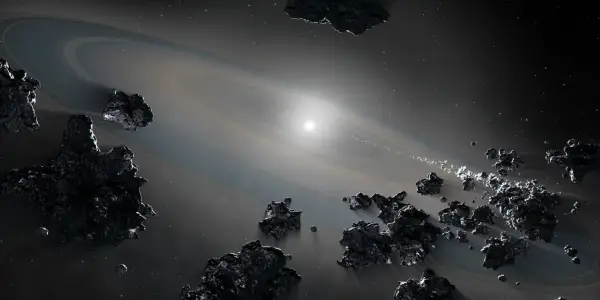
Astronomers Discover Ancient White Dwarf Actively...
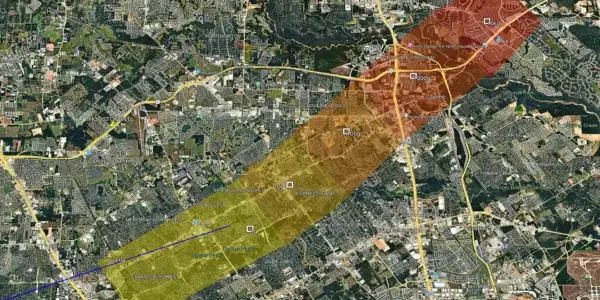
Meteorite Fragment May Have Impacted Houston Home
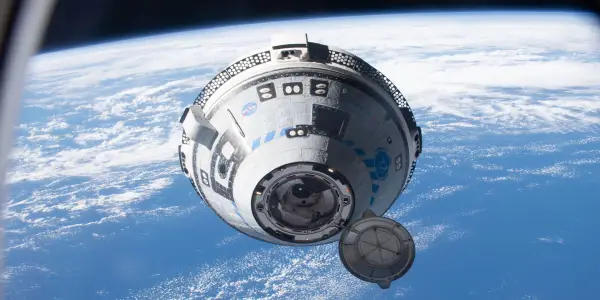
Boeing's Upcoming Starliner Mission Set for April...
Fintech Founder Champions Innovation Through...
NASA and European Partners Prepare for...

OnePlus 15 vs. Samsung Galaxy S25 Plus: A Clash...
SpaceX Achieves 150th Falcon 9 Launch with...
Assessing the Financial Impact of NASA's Apollo...
Breakthrough in Milky Way Simulation Using AI...

Samsung's Galaxy S26 Ultra Set for Significant...
New Research Suggests Dark Matter Influences...
Astronomers Identify Ancient Water in...
Potential Alien Disclosure May Trigger Bitcoin...
Andromeda Galaxy's Impact on Its Satellite...

Innovative Portable Reflecting Telescope...
Webb Telescope Reveals Unprecedented Cosmic...
James Webb Space Telescope Captures Stunning...

X-Men Return to Education in Upcoming Comic...
Ancient Galaxies: A Chaotic Early Universe...
Euclid Space Telescope Discovers Hidden Stars in...

Daily Roundup: November 10, 2025 – Advancements...
Congress Questions NASA's Facility Closures Amid...
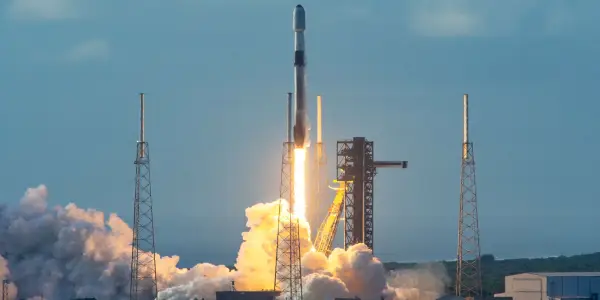
SpaceX Achieves Major Milestone with Launch of...
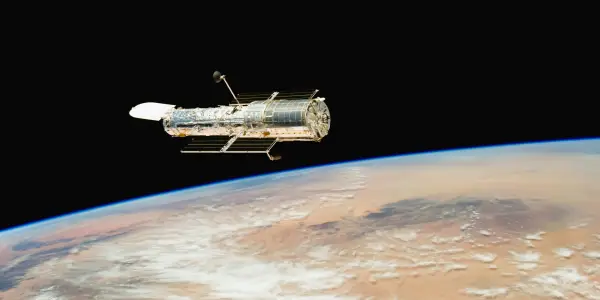
The Impact of Space Technology on Everyday Life
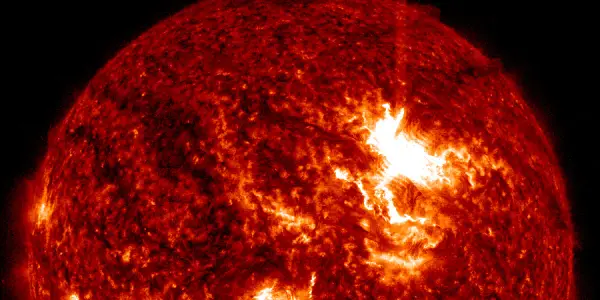
X5.1 Solar Flare Triggers G4 Geomagnetic Storm...

Satellite Imagery Highlights Hurricane Damage...
NASA's Ambitious Timeline for Human Exploration...
SabreSat: An Innovative Air-Breathing Satellite...
Intense Solar Storms Could Ignite Life on...

Jonathan Davies Urges England to Create New...
Rogue Moons: A New Frontier for Life Beyond Stars