SpaceX's Potential IPO in 2026: Implications for the Future of Space Exploration
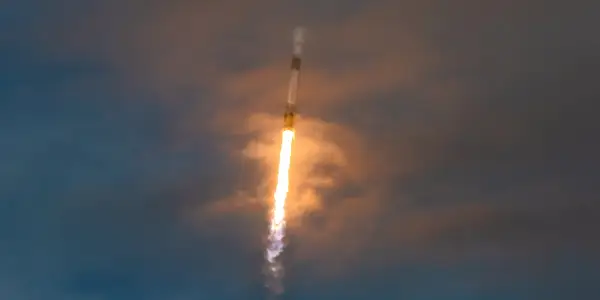
SpaceX is considering an initial public offering in 2026, a move that could significantly impact its collaborations with NASA and the broader ambitions of human spaceflight.
In-depth analysis
New discoveries
SpaceX's potential IPO could catalyze groundbreaking advancements in aerospace technology, particularly in areas like solar-powered orbital data centers. These innovations may significantly enhance artificial intelligence applications, potentially reshaping the operational landscape of space exploration and its intersection with AI initiatives.
Mission updates
SpaceX continues to play a vital role in NASA's Artemis program and defense satellite deployments. The company is preparing to launch the Nancy Grace Roman Space Telescope and is committed to delivering on its $2.9 billion contract for lunar missions.
Who is affected
The potential IPO of SpaceX could impact a wide range of stakeholders, including investors, employees, and government agencies. Increased scrutiny may affect how projects are managed, while shareholders could influence decision-making processes, particularly concerning Elon Musk's leadership style.
Next steps
As SpaceX considers its IPO, the company must navigate operational challenges and competition from international players. Investors and analysts will closely monitor developments to assess the implications for future missions and the overall trajectory of the aerospace industry.
Did you know?
Why we should care
SpaceX's potential IPO could inject billions into groundbreaking projects that directly impact our lives, from advancements in satellite technology to future lunar missions. This influx of capital might accelerate innovations that improve GPS accuracy, enhance global communication, and even facilitate space tourism. As we become more reliant on technology, the outcomes of SpaceX’s endeavors could shape the way we interact with the world and beyond.
The universe's unsolved mystery
The question of whether humanity can sustainably explore other planets remains unresolved. SpaceX’s efforts to develop reusable rockets and habitats for lunar and Martian environments lead to broader questions about our place in the cosmos. Can we truly become a multi-planetary species, or are we merely chasing dreams of the unattainable? The answers lie in the balance between ambition and the limits of technology.
The person who looks at the stars
Meet Julia Ramirez, a 12-year-old aspiring astronaut from San Diego. Every night, she gazes at the stars, captivated by the idea of humans walking on Mars. Julia remembers her school project on SpaceX's missions, which ignited her passion for space exploration. The prospect of SpaceX's IPO fills her with hope, as she dreams of a future where she might contribute to interplanetary travel. For Julia, each launch represents not just a technological achievement but a step closer to realizing her dreams in a universe filled with possibilities. Her story reflects the aspirations of many young minds who see in SpaceX's journey a path to their own destinies among the stars.

Jonathan Davies Urges England to Create New...
India Successfully Launches CMS-03 Military...

Innovative Portable Reflecting Telescope...

Webb Telescope Reveals Unprecedented Cosmic...

Astronomers Uncover a Rapid Star-Forming Galaxy...

Interstellar Comet 3I/ATLAS Approaches...
Euclid Space Telescope Discovers Hidden Stars in...

Astronauts aboard the ISS Capture Stunning Images...

Astronomers Discover Ancient White Dwarf Actively...

OnePlus 15 vs. Samsung Galaxy S25 Plus: A Clash...

New Simulations Shed Light on the Enigmatic...
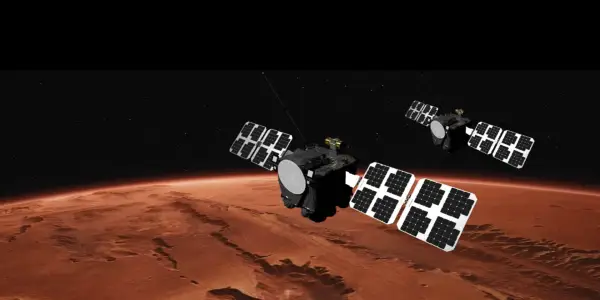
NASA's ESCAPADE Probes Set for Unique Journey to...

Exploring Oregon's Premier Public Telescope...

SpaceX Achieves 150th Falcon 9 Launch with...

Satellite Imagery Reveals Extensive Damage Across...

Samsung Unveils Unprecedented Black Friday Deal...

Exploring Alternatives to the Meta Quest 3 Elite...
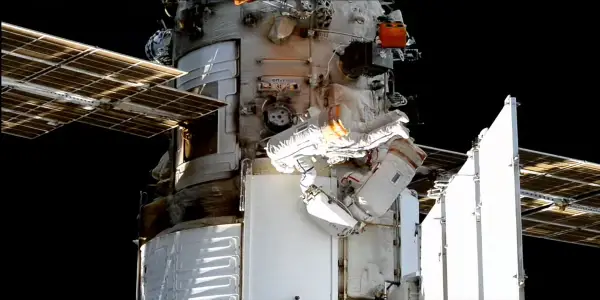
Russian Cosmonauts Conduct Extended Spacewalk to...
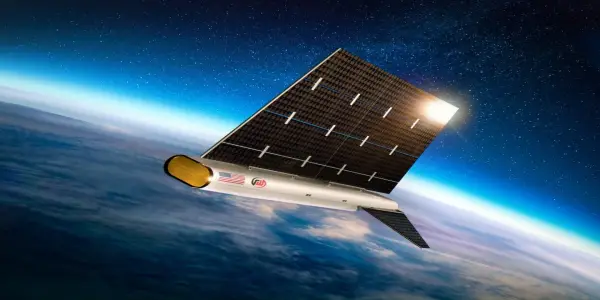
SabreSat: An Innovative Air-Breathing Satellite...
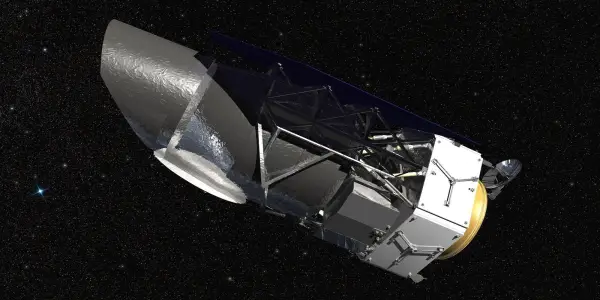

Exploring the Composition of Cosmic Voids
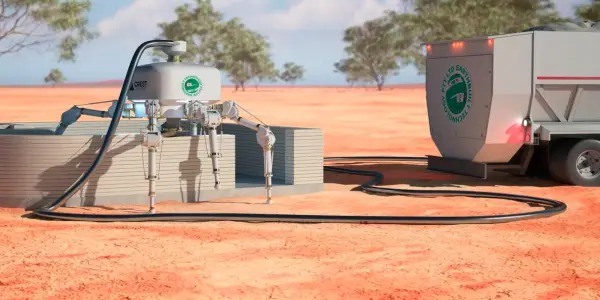
Charlotte: The Lunar 3D Printer Poised to...
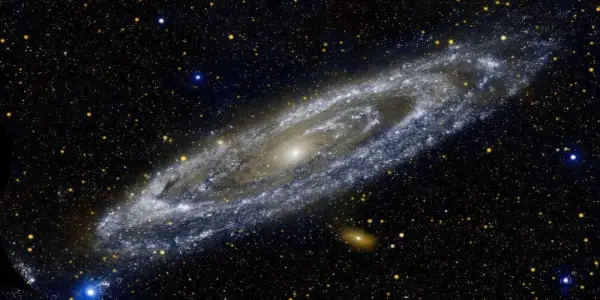
Andromeda Galaxy's Impact on Its Satellite...
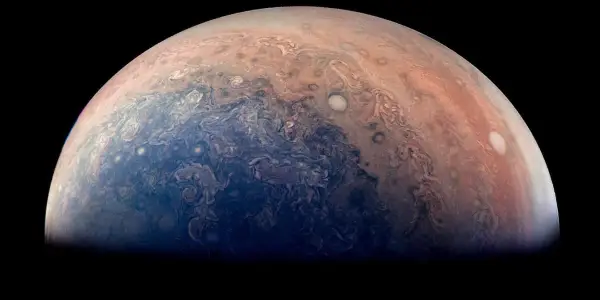
Discovery of a Planet Formation Zone Beyond...

Astrophysicists Unveil Dark Universe Through...

Astronomers Converge in Phoenix for AAS 247: A...

NASA Unveils New Images of Interstellar Comet...

NASA's Campaign to Monitor Interstellar Comet...

Mapping the Invisible: Astronomers Uncover Dark...

AI Reveals Over 800 New Cosmic Anomalies from...
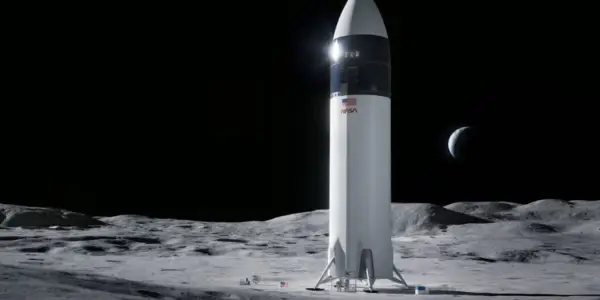
SpaceX Faces Challenges in Meeting NASA's 2027...

European Space Agency Unveils Stunning Radar...
Fintech Founder Champions Innovation Through...

The Pleiades Star Cluster Reveals Its Extensive...

Portal Systems Aims to Revolutionize Spacecraft...

Intense Solar Storm May Illuminate Skies Across...

Daily Roundup: November 10, 2025 – Advancements...

Apple Introduces Emergency SOS via Satellite in...

Enhance Your Weather Preparedness with Weather...