Astronomers Confirm Runaway Black Hole Leaving Stellar Birth in Its Wake
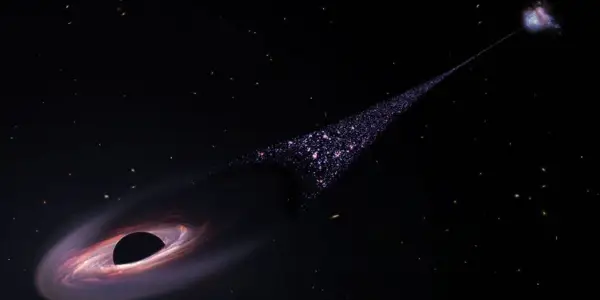
Astronomers have confirmed a runaway black hole traveling at 2 million miles per hour, creating a stellar birth trail as it escapes its galaxy and reshapes s...
In-depth analysis
New discoveries
The observation of a supermassive black hole, a million times the mass of the Sun, moving at nearly 2 million miles per hour, has unveiled a trail of gas that spurs new star formation. This groundbreaking finding, confirmed by the James Webb Space Telescope, represents the first documented instance of a black hole escaping its parent galaxy, reshaping our understanding of astrophysics.
Mission updates
The James Webb Space Telescope has successfully confirmed the existence of a runaway black hole, providing crucial data that enhances our understanding of black hole dynamics and their role in galaxy evolution.
Who is affected
Astrophysicists and astronomers are significantly impacted by this discovery, as it challenges existing theories about black hole behavior and galaxy interactions. The findings also influence our understanding of cosmic evolution and the processes that govern star formation.
Next steps
Future research will focus on analyzing additional runaway black holes to deepen insights into galaxy interactions and the broader implications of supermassive black holes in the universe.
Did you know?
Why we should care
The discovery of a runaway black hole reshapes our understanding of cosmic processes and their impact on the universe. As this black hole travels, it generates new stars, which could one day host planets and potentially life. This phenomenon illustrates how interconnected the universe is, unveiling the dynamic forces that shape not just galaxies, but the very environments where we might one day find ourselves.
The universe's unsolved mystery
This runaway black hole challenges our understanding of gravitational dynamics and galaxy evolution. How frequent are such ejections? What does it mean for the future of galaxies and their central black holes? Understanding these questions could unlock secrets about the universe's structure and the forces that govern cosmic interactions.
The person who looks at the stars
Meet Eliana Torres, a high school astronomy teacher in a small town. Every night, she sets up her telescope in the backyard, sharing the wonders of the cosmos with her students. When she learned about the runaway black hole, her heart raced. To Eliana, this discovery is more than a scientific breakthrough; it's a reminder of the vastness and mystery of the universe. She dreams of inspiring her students to pursue careers in science, hoping they will one day unlock the secrets of black holes themselves. For Eliana, the stars are not just distant points of light; they represent endless possibilities and the thrill of exploration.

Top Black Friday Smartwatch Deals Worth...

Satellite Imagery Highlights Hurricane Damage...

Unistellar eQuinox 2 Smart Telescope Sees...
Exploring Oregon's Premier Public Telescope...
Study Suggests the Universe's Expansion May Be...
Meteorite Fragment May Have Impacted Houston Home
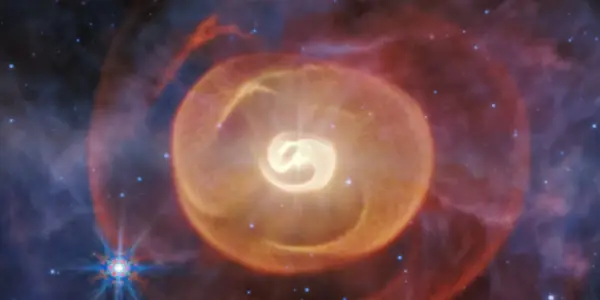
Webb Telescope Reveals Unprecedented Cosmic...
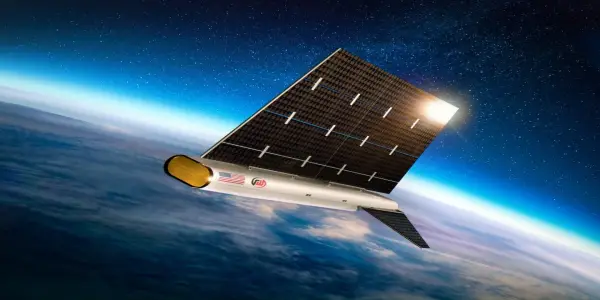
SabreSat: An Innovative Air-Breathing Satellite...
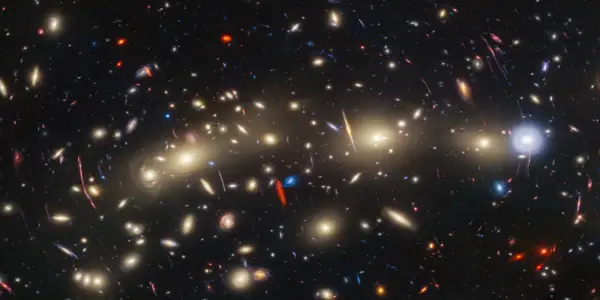
James Webb Space Telescope May Have Detected the...
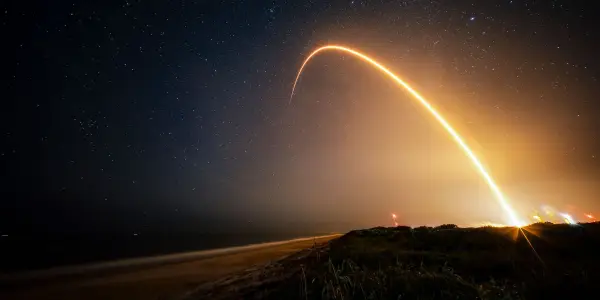
SpaceX Achieves 150th Falcon 9 Launch with...
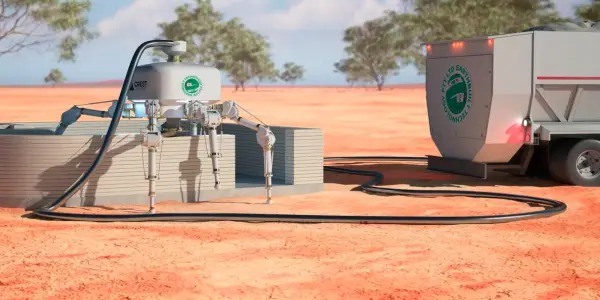
Charlotte: The Lunar 3D Printer Poised to...

Samsung Unveils Unprecedented Black Friday Deal...
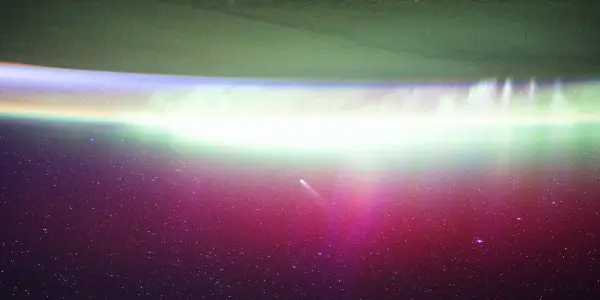
Astronauts aboard the ISS Capture Stunning Images...

NASA's Artemis 3 Moon Mission Delayed to 2028 Due...
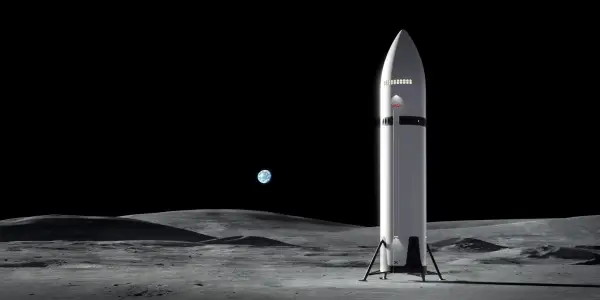
NASA Considers Reopening Bidding for Artemis 3...
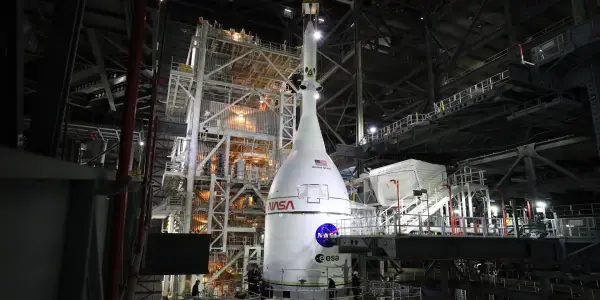
NASA Advances Artemis 2 Mission with Orion...

This Week In Space Podcast: Episode 187 Explores...
China's Mars Orbiter Captures Image of...
ISS Crew Takes Precautions Against Radiation...
Exploring the Composition of Cosmic Voids
NASA's Campaign to Monitor Interstellar Comet...
Andromeda Galaxy's Impact on Its Satellite...

Innovative Portable Reflecting Telescope...
New Simulations Shed Light on the Enigmatic...

Interstellar Comet 3I/ATLAS Approaches...

Daily Roundup: November 10, 2025 – Advancements...

Lenovo's Legion Tab Gen 3 Sees Significant Black...
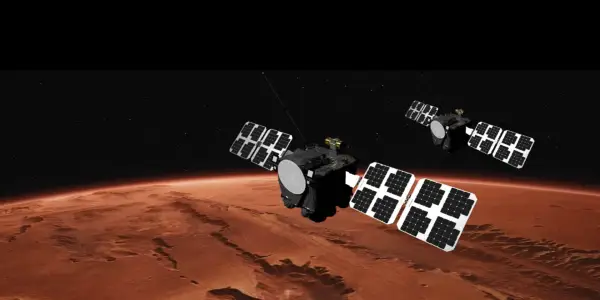
NASA's ESCAPADE Probes Set for Unique Journey to...
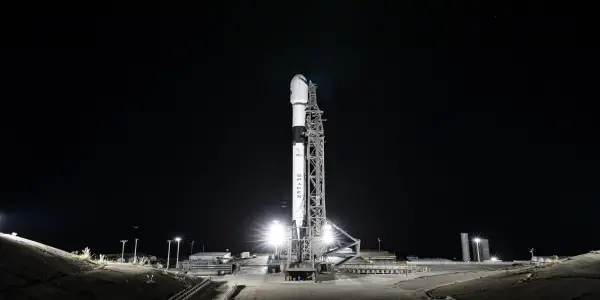
NASA and European Partners Prepare for...
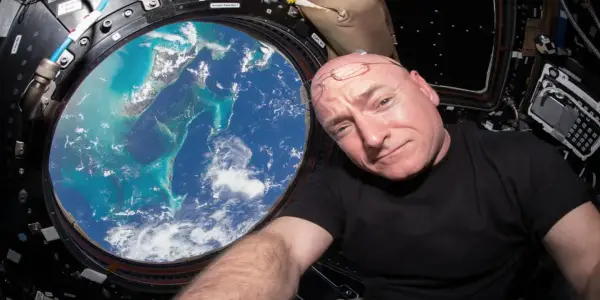
Italian Producer Plans Historic Film to Shoot in...
Congress Questions NASA's Facility Closures Amid...

Samsung's Galaxy S26 Ultra Set for Significant...
The Dwarf III Smart Telescope: A Compact Marvel...
Astrophotographer Captures Stunning Image of...
Astronomers Discover Ancient White Dwarf Actively...
Russian Cosmonauts Conduct Extended Spacewalk to...
NASA's Ambitious Timeline for Human Exploration...

X-Men Return to Education in Upcoming Comic...