NASA Advances Artemis 2 Mission with Orion Integration
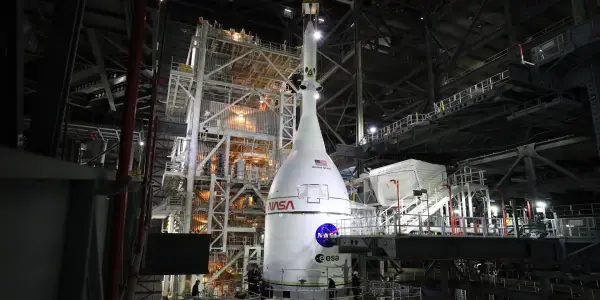
The Orion crew module has been successfully integrated with the Space Launch System, marking a significant milestone in preparations for the Artemis 2 mission scheduled for early 2026.
In-depth analysis
New discoveries
The Artemis 2 mission has unveiled significant advancements in spacecraft technology, particularly with the Orion module's integration with the Space Launch System. Enhanced radiation protection and a state-of-the-art heat shield showcase NASA's commitment to astronaut safety, while the mission's focus on life-support systems promises to yield critical data for future lunar expeditions.
Mission updates
The Artemis 2 mission has successfully integrated the Orion crew module with the Space Launch System, marking a key milestone in preparations for the first crewed flight of the Artemis program.
Who is affected
NASA astronauts Victor Glover and Christina Koch, along with Canadian astronaut Jeremy Hansen, will directly participate in Artemis 2. Their involvement represents a significant step in international collaboration for space exploration and emphasizes the importance of preparing astronauts for future lunar missions.
Next steps
Following the successful integration, the Artemis team will focus on finalizing mission preparations, including extensive testing of life-support systems and spacecraft capabilities, before the upcoming crewed orbital mission around the Moon.
Did you know?
Why we should care
The Artemis 2 mission represents a leap toward the future of human space exploration, directly impacting technological advancements that filter down to everyday life. Innovations in aerospace engineering often lead to breakthroughs in consumer technology, healthcare, and environmental monitoring. As NASA tests life-support systems and spacecraft capabilities, the knowledge gained could enhance safety and efficiency in industries reliant on cutting-edge technologies, ultimately benefiting society at large.
The universe's unsolved mystery
While Artemis 2 focuses on lunar orbit, it highlights a profound question in human exploration: is there life beyond Earth? Each mission into deep space brings us closer to understanding our place in the cosmos, yet the search for extraterrestrial life remains elusive. The technologies developed for lunar missions could one day enable the exploration of Mars or the icy moons of Jupiter, potentially answering this age-old mystery.
The person who looks at the stars
Meet Jamie, a high school science teacher in a small town, who inspires her students by sharing her passion for space exploration. Each night, she sets up her telescope in the backyard, guiding curious young minds to gaze at the moon and stars. The excitement surrounding Artemis 2 has reignited her own dreams of becoming an astronaut, reminding her students that space is within reach. Jamie passionately believes that the mission symbolizes more than just scientific advancement; it's a beacon of hope, showing her students that their aspirations can lead to extraordinary futures. Her dedication transcends the classroom, fostering a generation inspired to explore the unknown and contribute to humanity's journey among the stars.

FULU Foundation Introduces Repair Bounty System...
China's Mars Orbiter Captures Image of...

Exploring Alternatives to the Meta Quest 3 Elite...
Interstellar Comet 3I/ATLAS Approaches...
Collaboration Between Exoplanet Researchers and...
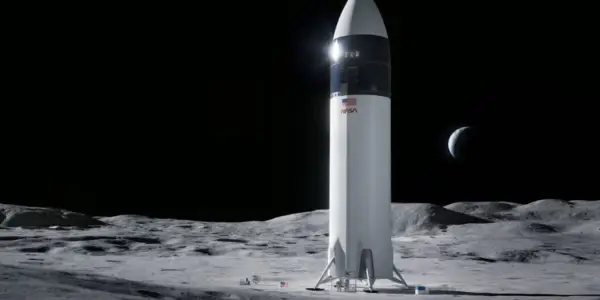
SpaceX Faces Challenges in Meeting NASA's 2027...
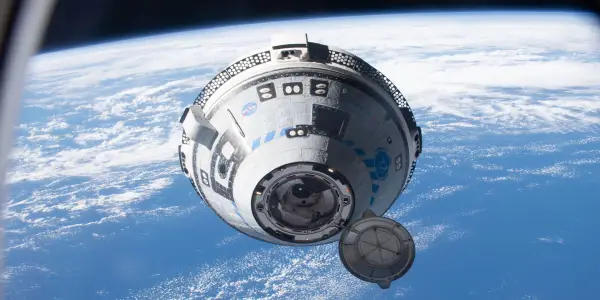
Boeing's Upcoming Starliner Mission Set for April...

European Space Agency Unveils Stunning Radar...

Samsung's Galaxy S26 Ultra Set for Significant...
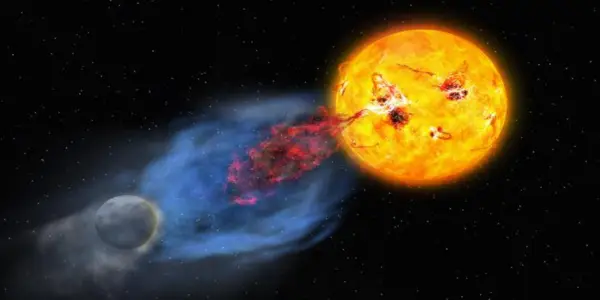
Intense Solar Storms Could Ignite Life on...
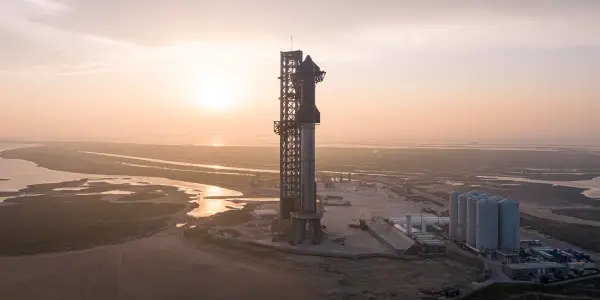
NASA's Artemis 3 Moon Mission Delayed to 2028 Due...

Enhance Your Weather Preparedness with Weather...
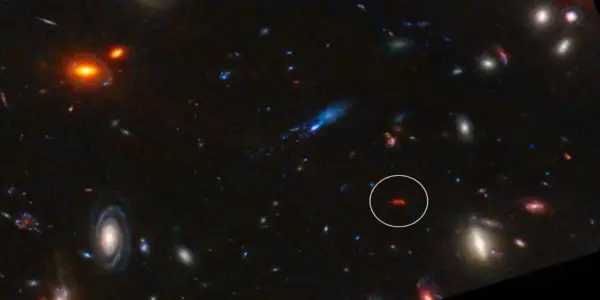
Astronomers Uncover a Rapid Star-Forming Galaxy...
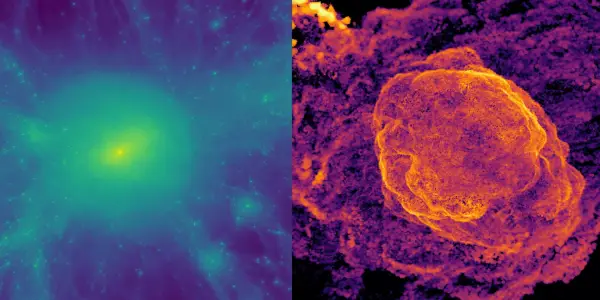
New Simulations Shed Light on the Enigmatic...
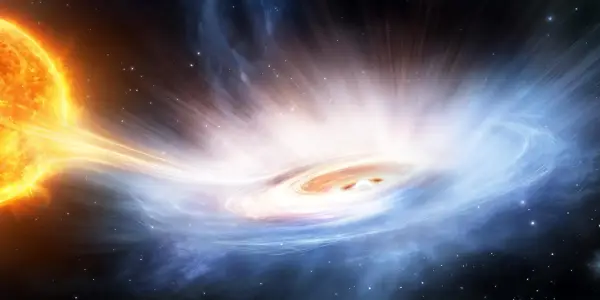
Unusual Wind from Neutron Star Challenges Space...
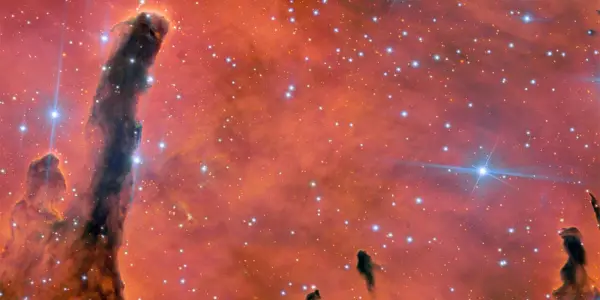
Hawaiian Students Honor Gemini North Telescope's...
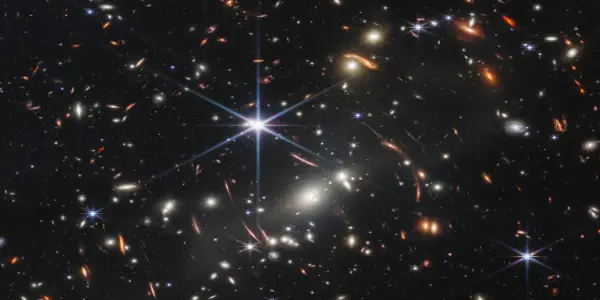
Ancient Galaxies: A Chaotic Early Universe...

Urwerk Unveils Limited-Edition 100V 'LightSpeed'...
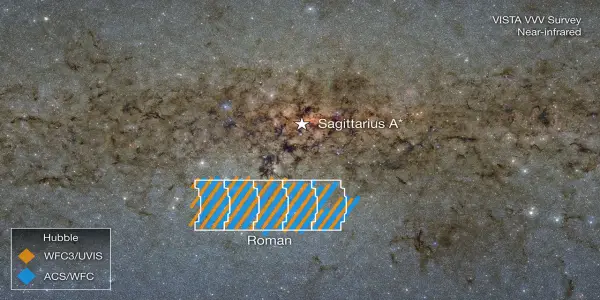
Discovery of a Planet Formation Zone Beyond...
Recent Studies Explore Potential Exoplanet in...

Top Black Friday Smartwatch Deals Worth...
Italian Producer Plans Historic Film to Shoot in...
Astronomers Converge in Phoenix for AAS 247: A...
Euclid Space Telescope Discovers Hidden Stars in...

Innovative Portable Reflecting Telescope...
Assessing the Financial Impact of NASA's Apollo...
Astronomers Capture Unprecedented Black Hole...
NASA's Campaign to Monitor Interstellar Comet...

Portal Systems Aims to Revolutionize Spacecraft...


Astronomers Uncover Evidence of Aging Stars...

NASA's X-59 Achieves Historic Supersonic Flight
Unraveling the Mysteries of Mars: Recent...
Potential Alien Disclosure May Trigger Bitcoin...
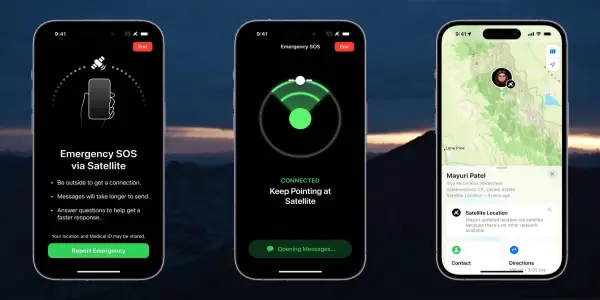
Apple Introduces Emergency SOS via Satellite in...

Lenovo's Legion Tab Gen 3 Sees Significant Black...

Meteorite Fragment May Have Impacted Houston Home
Breakthrough in Milky Way Simulation Using AI...
Mapping the Invisible: Astronomers Uncover Dark...