SpaceX Faces Challenges in Meeting NASA's 2027 Moon Landing Deadline with Starship
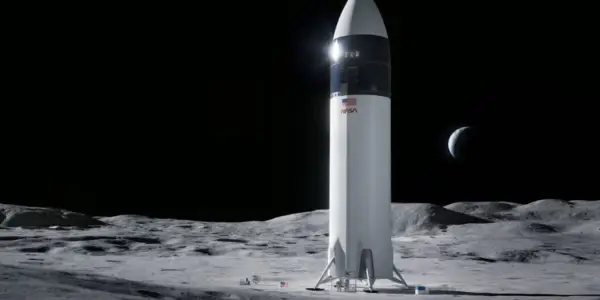
As SpaceX navigates delays in its Starship development, industry experts express concerns over the viability of its Artemis 3 contract, while the company proposes a revised plan to expedite progress.
In-depth analysis
New discoveries
Recent discussions at the American Astronautical Society’s symposium highlighted significant concerns regarding SpaceX's Starship Human Landing System. Experts noted that ongoing development setbacks could hinder NASA's Artemis 3 mission, which aims to land humans on the Moon for the first time in nearly 50 years, following the Apollo era.
Mission updates
SpaceX is currently revising its mission architecture for the Starship program, aiming to enhance crew safety and operational efficiency. However, the timeline for the next test flight has been pushed to 2024, raising questions about meeting critical milestones.
Who is affected
The implications of the Starship delays extend beyond SpaceX, impacting NASA's Artemis program and its goal of sustained lunar exploration. Competitors like Blue Origin are also affected, as the outcome may influence future contracts and the overall landscape of commercial spaceflight.
Next steps
Moving forward, SpaceX must prioritize meeting developmental benchmarks outlined by NASA to avoid further delays. The agency may also seek additional input from the aerospace industry, potentially reshaping the competitive landscape for lunar landing contracts.
Did you know?
Why we should care
The success of SpaceX's Starship Human Landing System (HLS) directly influences the future of space exploration, impacting everything from scientific research to international cooperation. A delay in Artemis 3 could stall advancements in technology that benefit everyday life on Earth, such as improved materials and communication systems. Moreover, a sustained presence on the Moon could lead to breakthroughs in resource utilization that might one day address critical challenges back home.
The universe's unsolved mystery
The challenges surrounding SpaceX's Starship reflect a broader question humanity faces: How do we balance ambition with accountability in exploration? As we aim for the Moon and beyond, the stakes are high, not just for space agencies but for the future of global collaboration. The unresolved issues with Starship serve as a reminder of the complexities inherent in pushing the boundaries of what is possible.
The person who looks at the stars
Meet Clara Chen, a high school astronomy teacher in Tucson, Arizona, who inspires her students to dream of a future among the stars. With each lesson about lunar phases and rocket science, Clara intertwines the excitement of space exploration with the realities of engineering hurdles. Her students, captivated by the prospect of Artemis 3, often ask her, 'Will we go to Mars next?' Clara explains the importance of projects like Starship, teaching them that every obstacle in space travel is a lesson in perseverance. This connection to real-world challenges not only fuels their curiosity but also instills a sense of responsibility for the future of exploration, making them more than just spectators in the journey to the Moon.

James Webb Telescope Identifies Rapidly Growing...

This Week In Space Podcast: Episode 187 Explores...

Satellite Imagery Reveals Extensive Damage Across...

NASA's Campaign to Monitor Interstellar Comet...

Astrophysicists Unveil Dark Universe Through...
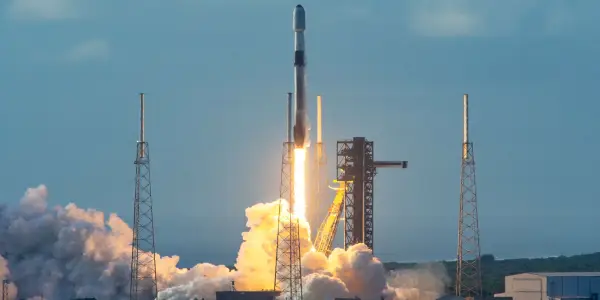
SpaceX Achieves Major Milestone with Launch of...

Astrophotographer Captures Stunning Image of...

Exploring the Composition of Cosmic Voids

Innovative Portable Reflecting Telescope...
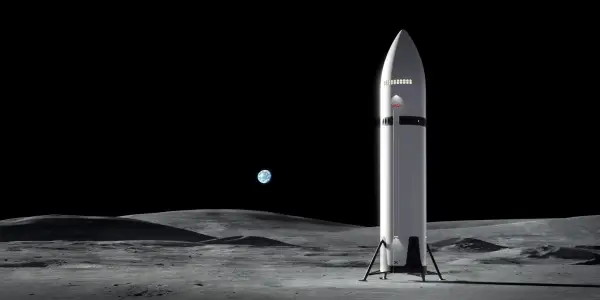
NASA Considers Reopening Bidding for Artemis 3...

NASA's Artemis 3 Moon Mission Delayed to 2028 Due...
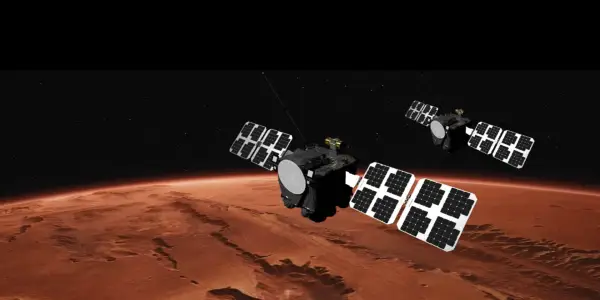
NASA's ESCAPADE Probes Set for Unique Journey to...

Andromeda Galaxy's Impact on Its Satellite...

Enhance Your Weather Preparedness with Weather...

Top Black Friday Smartwatch Deals Worth...

New Insights into Gamma Ray Emissions Could...

New Mexico Startup Unveils Ambitious Plan to...

The Impact of Space Technology on Everyday Life

Astronomers Converge in Phoenix for AAS 247: A...

European Space Agency Unveils Stunning Radar...

Jonathan Davies Urges England to Create New...

Jupiter's Moons Io and Europa to Cast Shadows...

Astronomers Discover Ancient White Dwarf Actively...

OnePlus 15 vs. Samsung Galaxy S25 Plus: A Clash...

Mapping the Invisible: Astronomers Uncover Dark...

Hawaiian Students Honor Gemini North Telescope's...

Childcare Crisis: Families Struggle as...

Intense Solar Storms Could Ignite Life on...

Astronomers Uncover Evidence of Aging Stars...

James Webb Space Telescope May Have Detected the...

FULU Foundation Introduces Repair Bounty System...

Rogue Moons: A New Frontier for Life Beyond Stars

Euclid Space Telescope Discovers Hidden Stars in...

Unraveling the Mysteries of Mars: Recent...

China's Mars Orbiter Captures Image of...

Interstellar Comet 3I/ATLAS Approaches...

NASA's X-59 Achieves Historic Supersonic Flight

Webb Telescope Reveals Unprecedented Cosmic...

Unusual Wind from Neutron Star Challenges Space...

Young Canadian Astronomer Identifies Two...