Innovative Portable Reflecting Telescope Redefines Amateur Astronomy
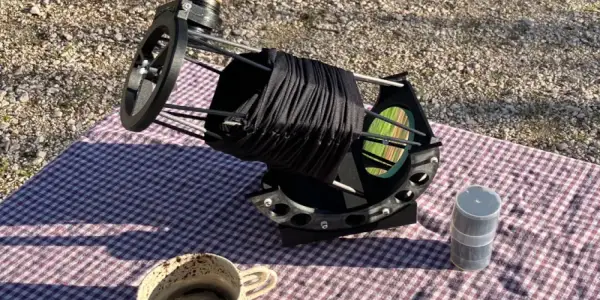
A new compact reflecting telescope design promises to make astronomy accessible for enthusiasts and hobbyists, challenging conventional notions of telescope size and functionality.
In-depth analysis
New discoveries
Lucas's innovative telescope design showcases the potential of 3D printing in astronomy. By utilizing a compact mirror kit and lightweight materials, this telescope not only enhances portability but also simplifies assembly, making high-quality stargazing accessible to a broader audience. This shift may inspire further advancements in telescope technology.
Mission updates
The telescope's design has been successfully tested and is now available for enthusiasts eager to explore astronomy. Users can access the design files on Printables, fostering a collaborative environment for budding astronomers.
Who is affected
Amateur astronomers and hobbyists stand to benefit significantly from Lucas's telescope design. The affordability and ease of assembly lower barriers to entry, allowing more individuals to engage with astronomy and explore the night sky without substantial financial investment.
Next steps
To further capitalize on this momentum, community workshops and online tutorials could be developed, guiding users through the assembly process. Such initiatives would enhance accessibility and promote shared learning among aspiring astronomers.
Did you know?
Why we should care
The emergence of compact, 3D-printed telescopes like Lucas's design opens the door for countless individuals to explore astronomy without prohibitive costs. For families and educators, this means engaging children in science through hands-on learning. Imagine a classroom where students can assemble their own telescopes, fostering curiosity about the universe and inspiring the next generation of scientists and explorers.
The universe's unsolved mystery
The rapid advancement in telescope technology raises questions about what we might discover next. As more individuals gain access to affordable tools for stargazing, could we uncover previously unnoticed celestial phenomena? Each new design not only democratizes astronomy but also invites a wave of amateur discovery that may challenge established scientific understanding.
The person who looks at the stars
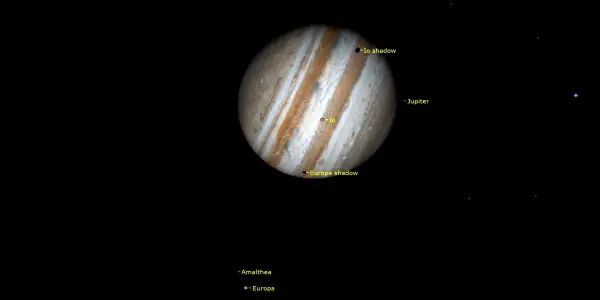
Meet Sarah, a high school science teacher in a small town, who recently built Lucas's 3D-printed telescope with her students. For Sarah, this project transformed her classroom into a launchpad for curiosity. Every night, as she and her students gaze at the stars, they share not just the joy of discovery but also the thrill of possibility. Each celestial body they observe becomes a lesson in science, history, and wonder. Sarah recalls the awe in her students’ eyes when they first spotted Jupiter’s moons; it was a moment that sparked dreams of becoming astronomers. For her, this telescope isn't just a tool; it's a bridge to the cosmos, connecting young minds to the vast universe and igniting passions that could shape their futures.

Astronomers Discover Ancient White Dwarf Actively...
Discovery of a Planet Formation Zone Beyond...

Satellite Imagery Highlights Hurricane Damage...

Daily Roundup: November 10, 2025 – Advancements...

Intense Solar Storms Could Ignite Life on...
NASA Unveils New Images of Interstellar Comet...
NASA's ESCAPADE Probes Set for Unique Journey to...
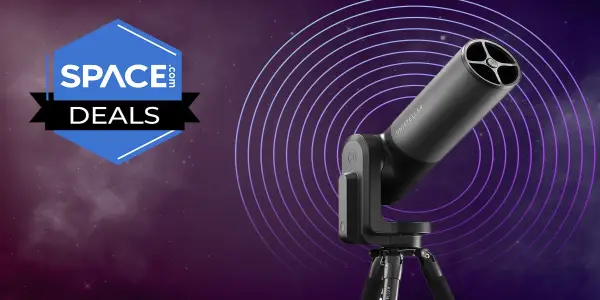
Unistellar eQuinox 2 Smart Telescope Sees...
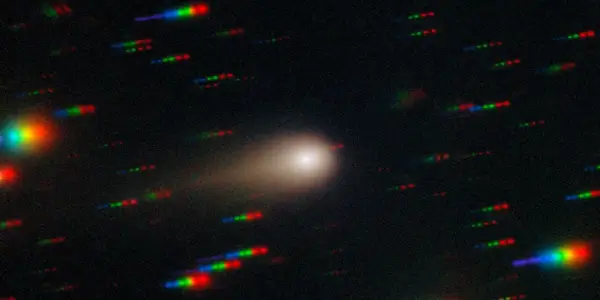
Interstellar Comet 3I/ATLAS Approaches...
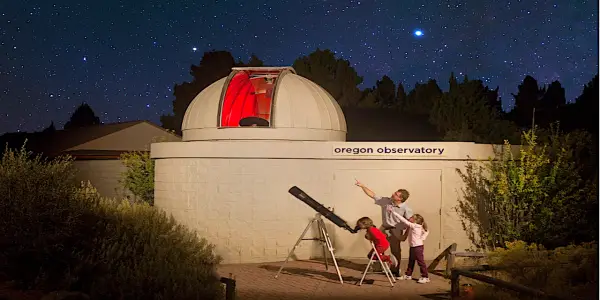
Exploring Oregon's Premier Public Telescope...

James Webb Space Telescope Sheds Light on Early...

NASA's Artemis 3 Moon Mission Delayed to 2028 Due...
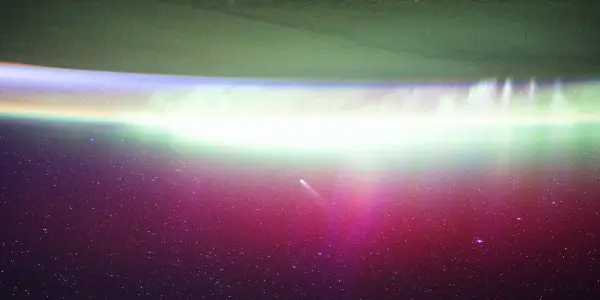
Astronauts aboard the ISS Capture Stunning Images...
Assessing the Financial Impact of NASA's Apollo...

Rogue Moons: A New Frontier for Life Beyond Stars

Recent Studies Explore Potential Exoplanet in...
Blue Origin Faces Major Setback as New Glenn...
ISS Crew Takes Precautions Against Radiation...

New Simulations Shed Light on the Enigmatic...
SpaceX Set to Launch NASA's Pandora Exoplanet...

Astronomers Uncover Evidence of Aging Stars...
Jupiter's Moons Io and Europa to Cast Shadows...

Urwerk Unveils Limited-Edition 100V 'LightSpeed'...
The Impact of Space Technology on Everyday Life

Hubble Telescope Unveils Enigmatic Galaxy NGC 2775

The Pleiades Star Cluster Reveals Its Extensive...

Highlights of 2025 in Space Exploration: From...

Astronomers Identify Three Earth-Sized Exoplanets...
The Dwarf III Smart Telescope: A Compact Marvel...

James Webb Space Telescope May Have Detected the...

James Webb Telescope Identifies Rapidly Growing...

SpaceX Achieves 150th Falcon 9 Launch with...

Italian Producer Plans Historic Film to Shoot in...

Exploring the Composition of Cosmic Voids

Webb Telescope Reveals Unprecedented Cosmic...

James Webb Space Telescope Captures Stunning...

Lenovo's Legion Tab Gen 3 Sees Significant Black...
Breakthrough in Milky Way Simulation Using AI...

Portal Systems Aims to Revolutionize Spacecraft...
China's Mars Orbiter Captures Image of...