Astronauts aboard the ISS Capture Stunning Images of Two Comets Above Northern Lights
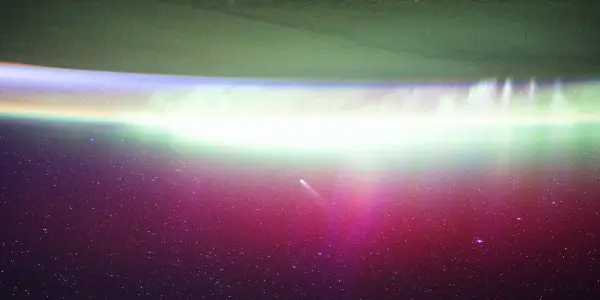
Astronauts on the ISS capture breathtaking images of comets Lemmon and SWAN above stunning Northern Lights, showcasing cosmic beauty from 250 miles above Earth.
In-depth analysis
New discoveries
The recent sightings of comets Lemmon and SWAN from the ISS have provided invaluable insights into the characteristics and behaviors of these celestial bodies. Observations of their distinct tails—ion and dust—enhance the scientific community's understanding of cometary phenomena and their interaction with solar radiation, further illuminating the complexities of our solar system.
Mission updates
Following a government shutdown that restricted NASA's activities, astronauts aboard the ISS resumed normal operations, capturing stunning images of comets and auroras. These updates highlight the resilience of the crew in continuing to share significant cosmic events despite previous limitations.
Who is affected
The recent discoveries impact astronomers, researchers, and space enthusiasts who seek to deepen their understanding of celestial mechanics. Additionally, the general public benefits from increased awareness and appreciation of space phenomena, fostering a greater interest in scientific exploration and education.
Next steps
As both comets approach the sun, astronomers will continue monitoring their trajectories and characteristics. Future observations are crucial to documenting their behaviors, while ongoing analysis of the captured images will enhance knowledge of cometary science and the dynamics of our solar system.
Did you know?
Why we should care
The appearance of comets Lemmon and SWAN alongside stunning auroras highlights the intersection of nature and science, reminding us of the beauty that exists beyond our daily routines. For those on Earth, these events serve as a reminder of the universe's wonders, offering moments of awe that can inspire curiosity and spark conversations about space among friends and family, fostering a deeper appreciation for our place in the cosmos.
The universe's unsolved mystery
Despite centuries of exploration, the origins and behaviors of comets remain partially understood. What causes some comets to develop massive tails while others fizzle out? As researchers continue to study these icy travelers, each new discovery not only deepens our knowledge of the solar system but also raises more questions about the forces that shape our universe.
The person who looks at the stars
Meet Sarah, a high school science teacher from Fargo, North Dakota. Each night, she steps outside to gaze at the stars, finding solace in the vastness above. When she heard about the simultaneous sighting of comets Lemmon and SWAN against the auroras, she felt a deep connection to the universe. For Sarah, these celestial events are more than just beautiful images; they are a testament to the wonders of science that she shares with her students. She often encourages them to dream bigger, using the night sky as a canvas for exploration and creativity. The joy of the cosmos is not just in observation, but in the stories these phenomena inspire, urging us to ask questions and seek answers together.
Discovery of a Planet Formation Zone Beyond...
Russian Cosmonauts Conduct Extended Spacewalk to...
James Webb Space Telescope Captures Stunning...

X5.1 Solar Flare Triggers G4 Geomagnetic Storm...
Astronomers Identify Potential Earth-Like...
Astronomers Discover Ancient White Dwarf Actively...
Astronomers Capture Unprecedented Black Hole...
Highlights of 2025 in Space Exploration: From...
New Simulations Shed Light on the Enigmatic...

This Week In Space Podcast: Episode 187 Explores...
China's Mars Orbiter Captures Image of...
Recent Studies Explore Potential Exoplanet in...
Astronomers Converge in Phoenix for AAS 247: A...
The Impact of Space Technology on Everyday Life

Satellite Imagery Highlights Hurricane Damage...
New Research Suggests Dark Matter Influences...
The Dwarf III Smart Telescope: A Compact Marvel...
New Mexico Startup Unveils Ambitious Plan to...
Deep Fission Proposes Underground Nuclear...
AI Reveals Over 800 New Cosmic Anomalies from...
James Webb Space Telescope Discovers Ancient...
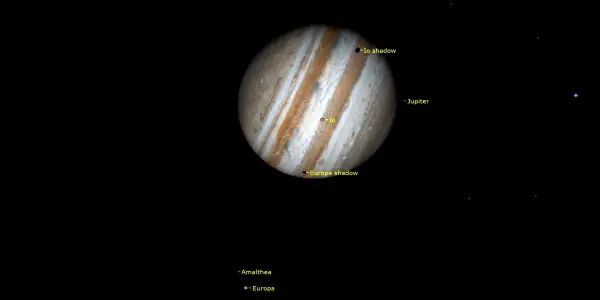
Jupiter's Moons Io and Europa to Cast Shadows...
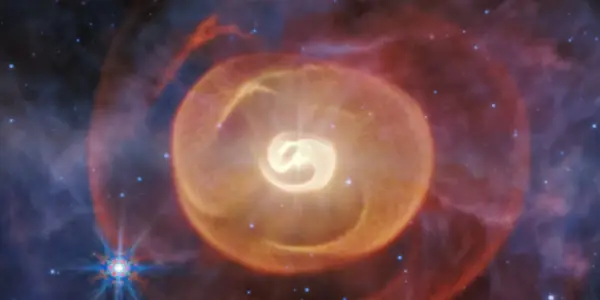
Webb Telescope Reveals Unprecedented Cosmic...
Astronauts aboard the ISS Capture Stunning Images...
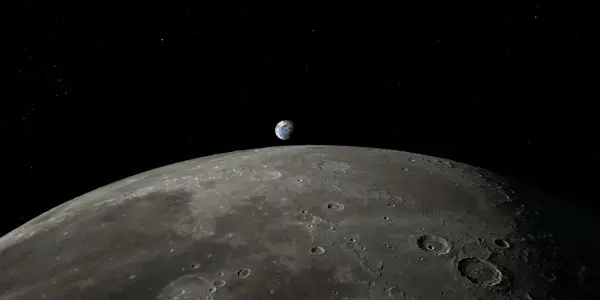
Unistellar eQuinox 2 Smart Telescope Sees...
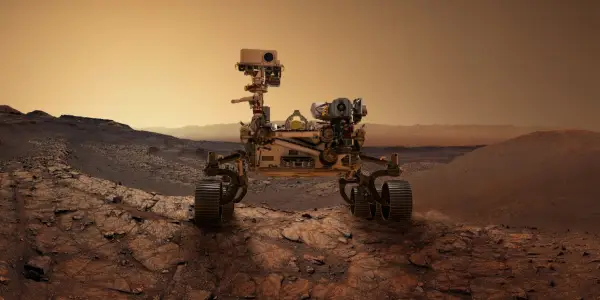
Unraveling the Mysteries of Mars: Recent...
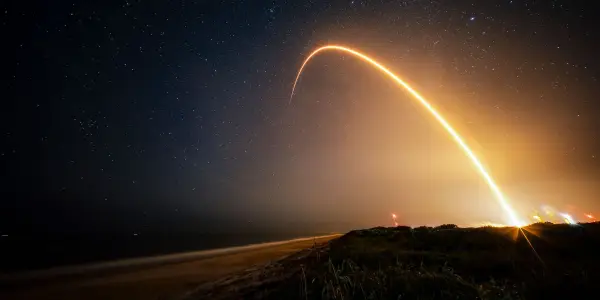
SpaceX Achieves 150th Falcon 9 Launch with...

Satellite Imagery Reveals Extensive Damage Across...
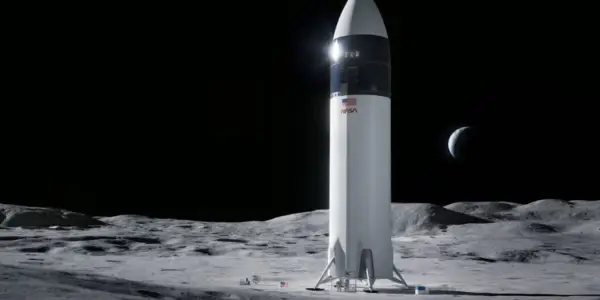
SpaceX Faces Challenges in Meeting NASA's 2027...
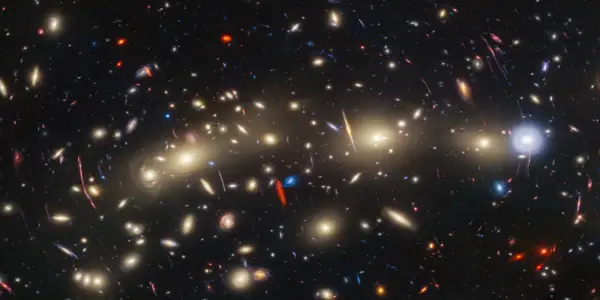
James Webb Space Telescope May Have Detected the...
Congress Questions NASA's Facility Closures Amid...
James Webb Telescope Identifies Rapidly Growing...
Charlotte: The Lunar 3D Printer Poised to...
NASA's Ambitious Timeline for Human Exploration...
NASA Unveils New Images of Interstellar Comet...
Assessing the Financial Impact of NASA's Apollo...

Samsung Galaxy S26 Expected to Feature Enhanced...