Starfront Observatories: A Haven for Astrophotographers in Rockwood, Texas
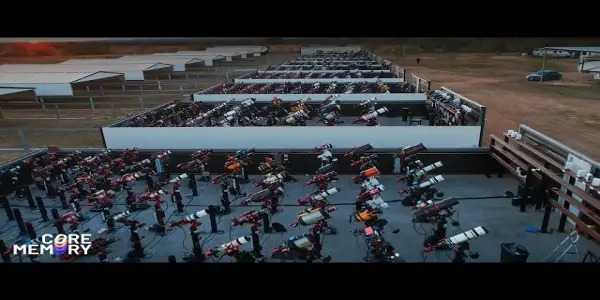
Starfront Observatories in Rockwood offers ideal conditions for astrophotographers, hosting numerous telescopes for global users.
In-depth analysis
New discoveries
Starfront Observatories has made significant contributions to the field of astrophysics, notably through Bray Falls' discovery of The Crown of Thorns nebula. This celestial object defies conventional classifications, located 15 degrees from the Milky Way, prompting further investigation into its origins and implications for our understanding of supernova remnants.
Mission updates
The Starfront Observatories continue to support a diverse range of astrophotography projects, enhancing remote access capabilities for users. Ongoing analysis of The Crown of Thorns by Dr. Fesen is a key focus, aiming to unravel its unique characteristics.
Who is affected
Astrophotographers worldwide benefit from the services provided by Starfront Observatories, as they can operate telescopes remotely in optimal conditions. This facility also impacts the broader scientific community, fostering collaboration and inquiry into unconventional astronomical phenomena.
Next steps
Future efforts will likely involve deeper analysis of The Crown of Thorns, with professional observatories contributing data to unravel its mysteries. Additionally, the growth of telescope ranches suggests a continued evolution in astrophotography technology and accessibility.
Did you know?
Why we should care
Starfront Observatories exemplifies how technology transforms hobbies into impactful scientific pursuits. For everyday stargazers, this means access to high-quality images of celestial wonders, enriching our understanding of the universe. As more people engage in astrophotography, it fosters a sense of community and inspires the next generation of scientists. Discoveries like The Crown of Thorns may one day alter our grasp of cosmic phenomena, affecting everything from education to scientific funding.
The universe's unsolved mystery
The Crown of Thorns nebula invites us to reconsider our understanding of stellar life cycles. Its unexpected location challenges the assumptions that have long guided astronomers, highlighting the universe's complexity. As scientists probe its nature, they may uncover new insights into how stars evolve, potentially reshaping our grasp of cosmic history and the very fabric of our universe.
The person who looks at the stars
Meet Lily Chen, a 16-year-old aspiring astronomer from Austin, Texas, who dreams of uncovering the secrets of the universe. Inspired by her grandfather’s tales of the stars, she began her astrophotography journey with a simple telescope. Now, thanks to Starfront, she operates a high-end telescope remotely, capturing stunning images of celestial events. Each photograph is more than just a hobby; it’s a connection to a vast cosmos that fuels her curiosity and ambition. As she studies The Crown of Thorns, Lily feels the thrill of contributing to the scientific dialogue, dreaming of one day making her own groundbreaking discoveries. Her story is a testament to how accessible technology can ignite passions and nurture future generations of scientists.
Expert Commentary
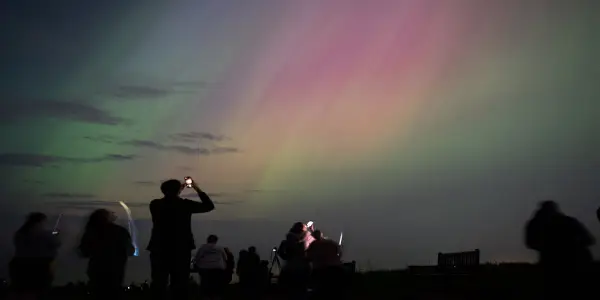
Intense Solar Storm May Illuminate Skies Across...

Satellite Imagery Highlights Hurricane Damage...

This Week In Space Podcast: Episode 187 Explores...

Jeff Bezos's AI Hardware Venture Takes Aim at...
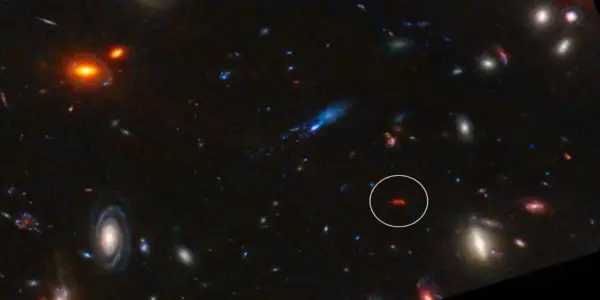
Astronomers Uncover a Rapid Star-Forming Galaxy...
China's Mars Orbiter Captures Image of...
Assessing the Financial Impact of NASA's Apollo...

Childcare Crisis: Families Struggle as...
India Successfully Launches CMS-03 Military...
Italian Producer Plans Historic Film to Shoot in...
NASA and Blue Origin Successfully Launch Dual...
SpaceX Achieves Major Milestone with Launch of...
Discovery of a Planet Formation Zone Beyond...
Astronomers Discover Ancient White Dwarf Actively...
NASA's ESCAPADE Probes Set for Unique Journey to...
Russian Cosmonauts Conduct Extended Spacewalk to...
Young Canadian Astronomer Identifies Two...
The Impact of Space Technology on Everyday Life
Astronauts aboard the ISS Capture Stunning Images...
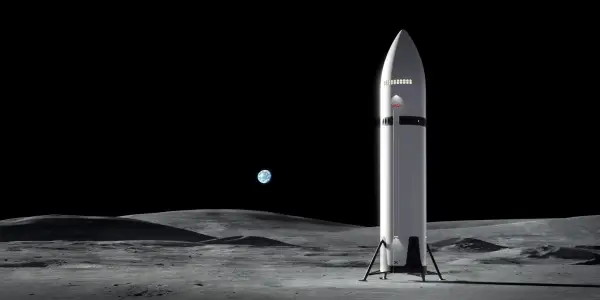
NASA Considers Reopening Bidding for Artemis 3...

Satellite Imagery Reveals Extensive Damage Across...

Jonathan Davies Urges England to Create New...

Urwerk Unveils Limited-Edition 100V 'LightSpeed'...
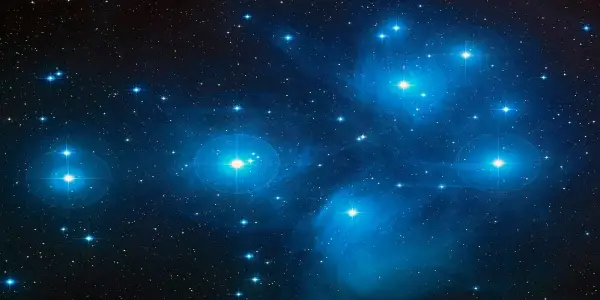
The Pleiades Star Cluster Reveals Its Extensive...
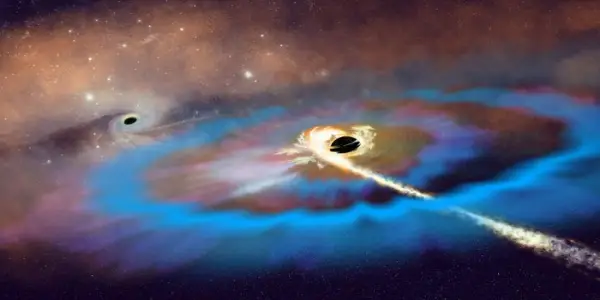
Astronomers Capture Unprecedented Black Hole...
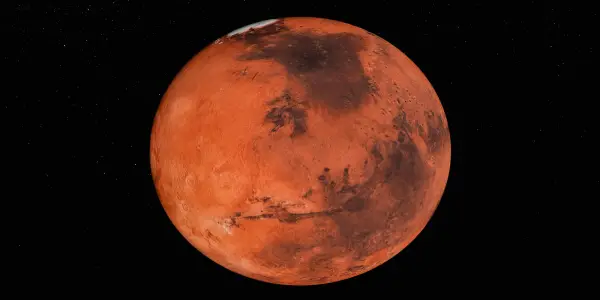
NASA's Ambitious Timeline for Human Exploration...
ISS Crew Takes Precautions Against Radiation...
James Webb Space Telescope Discovers Ancient...
New Simulations Shed Light on the Enigmatic...
SpaceX Achieves 150th Falcon 9 Launch with...
NASA's Campaign to Monitor Interstellar Comet...
Astronomers Identify Potential Earth-Like...
New Mexico Startup Unveils Ambitious Plan to...
Congress Questions NASA's Facility Closures Amid...
James Webb Telescope Identifies Rapidly Growing...

OnePlus 15 vs. Samsung Galaxy S25 Plus: A Clash...
SpaceX Faces Challenges in Meeting NASA's 2027...
Portal Systems Aims to Revolutionize Spacecraft...