NASA and Blue Origin Successfully Launch Dual Spacecraft for Mars Exploration
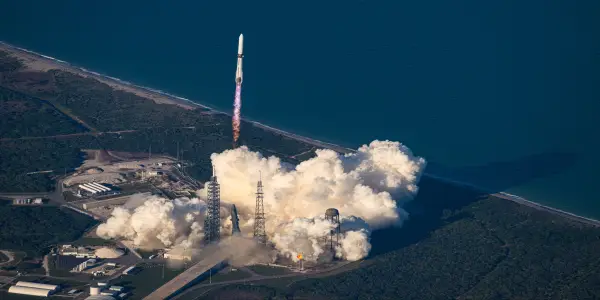
NASA has launched two spacecraft designed to investigate the magnetic environment of Mars and its interaction with solar winds, paving the way for future human missions to the Red Planet.
In-depth analysis
New discoveries
ESCAPADE's twin probes will finally reveal how solar wind stripped Mars' atmosphere—basically investigating a 4-billion-year-old cold case. The data could explain why our neighbor turned into a desert while Earth thrived.
Mission updates
Launch success! New Glenn's first Mars mission deployed both spacecraft, and they're already chatting with Earth. Bonus: Viasat's tech demo proved we can now use commercial satellites for deep-space comms.
Who is affected
Future Mars astronauts will owe their lives to this mission. Every solar storm prediction keeps them safer. Also, planetary scientists finally get the dual-spacecraft data they've dreamed about for decades.
Next steps
Watching that clever L2 detour—they're basically using space physics as a free Uber to Mars. Smart move bypassing the 26-month launch window limitation. Can't wait for September arrival!
Did you know?
Why we should care
The successful launch of NASA's ESCAPADE mission is not just a scientific milestone; it has direct implications for future Mars exploration and potential colonization. Understanding how solar winds affect Mars' atmosphere can help ensure the safety of astronauts venturing to the Red Planet. For everyday people, this research contributes to our broader knowledge of space weather, which can impact satellite communications and technology here on Earth.
The universe's unsolved mystery
Mars once had conditions suitable for life, yet it transformed into a desolate landscape. ESCAPADE's focus on solar wind effects could unlock the mystery behind this dramatic change. Understanding the historical impacts of solar activity on Mars may not only shed light on its past but also inform efforts to terraform the planet, opening doors to potential sustainable human life beyond Earth.
The person who looks at the stars
Meet Clara Thompson, an aspiring astrophysicist in her early 20s, who gazes at the night sky from her small-town backyard. With a telescope gifted by her grandfather, she dreams of contributing to space exploration. Clara is particularly captivated by Mars and its mysteries. The launch of ESCAPADE resonates with her passion, as she recognizes the mission's potential to explain Mars' transformation. For her, each discovery represents not only scientific advancement but also the hope of one day walking on Martian soil, turning her childhood dreams into reality. Clara's dedication mirrors that of countless young dreamers inspired by the cosmos, urging humanity to reach for the stars.
Expert Commentary
The ESCAPADE mission represents an exciting leap forward in Martian science. Studying how solar winds interact with Mars’ atmosphere is crucial not only for understanding the planet’s past but also for protecting future astronauts. I find the dual-spacecraft approach and the innovative Lagrange Point 2 trajectory particularly impressive, as they could reshape how we plan interplanetary missions. This launch highlights NASA’s forward-thinking strategy, blending scientific discovery with practical preparation for eventual human exploration of the Red Planet.
Discovery of a Planet Formation Zone Beyond...
Russian Cosmonauts Conduct Extended Spacewalk to...
James Webb Space Telescope Captures Stunning...
X5.1 Solar Flare Triggers G4 Geomagnetic Storm...
Astronomers Identify Potential Earth-Like...
Astronomers Discover Ancient White Dwarf Actively...
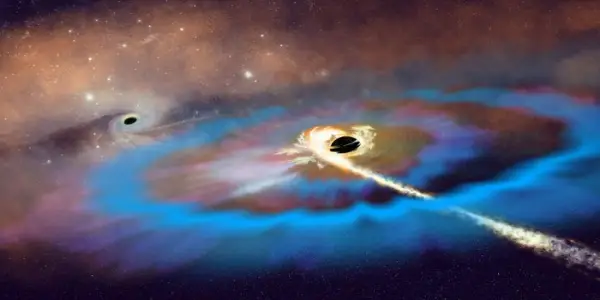
Astronomers Capture Unprecedented Black Hole...
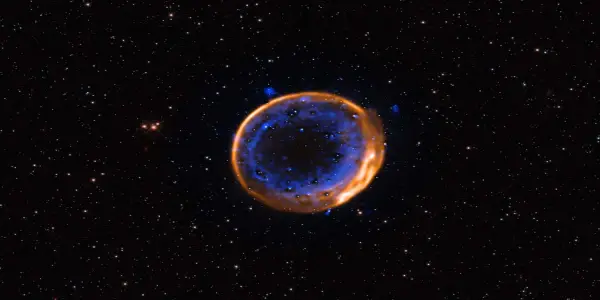
Highlights of 2025 in Space Exploration: From...
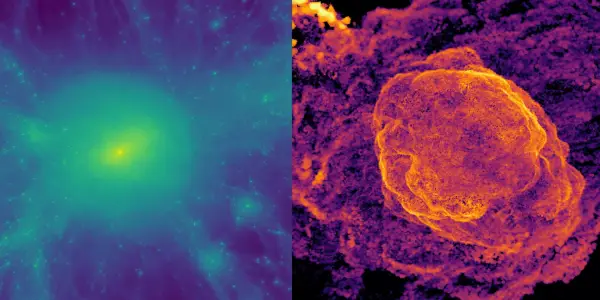
New Simulations Shed Light on the Enigmatic...
This Week In Space Podcast: Episode 187 Explores...
China's Mars Orbiter Captures Image of...
Recent Studies Explore Potential Exoplanet in...
Astronomers Converge in Phoenix for AAS 247: A...
The Impact of Space Technology on Everyday Life

Satellite Imagery Highlights Hurricane Damage...
New Research Suggests Dark Matter Influences...
The Dwarf III Smart Telescope: A Compact Marvel...
New Mexico Startup Unveils Ambitious Plan to...
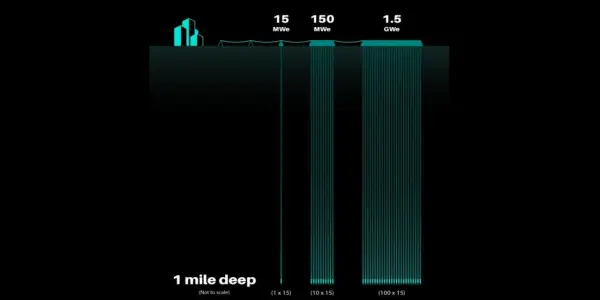
Deep Fission Proposes Underground Nuclear...
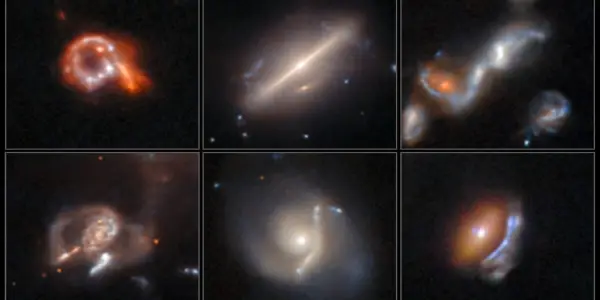
AI Reveals Over 800 New Cosmic Anomalies from...
James Webb Space Telescope Discovers Ancient...
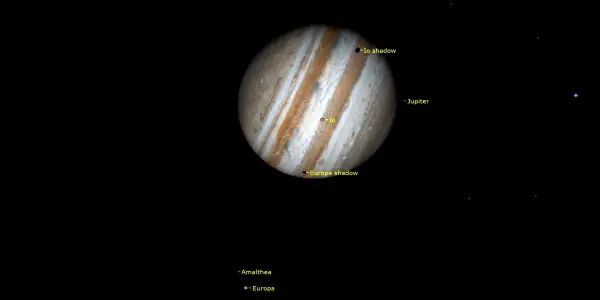
Jupiter's Moons Io and Europa to Cast Shadows...
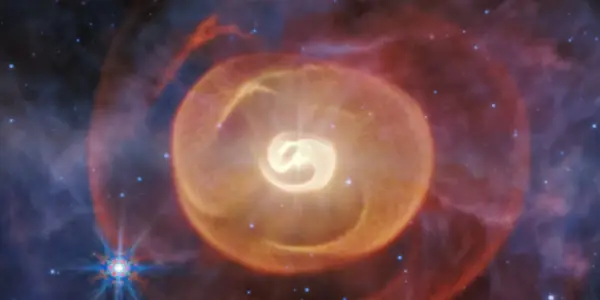
Webb Telescope Reveals Unprecedented Cosmic...
Astronauts aboard the ISS Capture Stunning Images...
Unistellar eQuinox 2 Smart Telescope Sees...
Unraveling the Mysteries of Mars: Recent...
SpaceX Achieves 150th Falcon 9 Launch with...

Satellite Imagery Reveals Extensive Damage Across...
SpaceX Faces Challenges in Meeting NASA's 2027...
James Webb Space Telescope May Have Detected the...
Congress Questions NASA's Facility Closures Amid...
James Webb Telescope Identifies Rapidly Growing...
Charlotte: The Lunar 3D Printer Poised to...
NASA's Ambitious Timeline for Human Exploration...
NASA Unveils New Images of Interstellar Comet...
Assessing the Financial Impact of NASA's Apollo...
Samsung Galaxy S26 Expected to Feature Enhanced...