Astronomers Converge in Phoenix for AAS 247: A Week of Discovery and Discussion
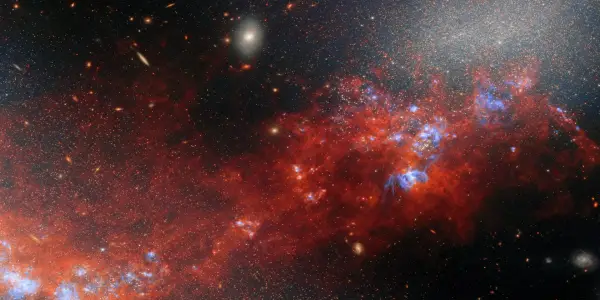
The 247th meeting of the American Astronomical Society (AAS 247) is underway in Phoenix, Arizona, showcasing groundbreaking research in exoplanets, the James Webb Space Telescope, and future space missions.
In-depth analysis
New discoveries
The AAS 247 conference showcases groundbreaking findings in exoplanet research and galaxy evolution, with insights from the James Webb Space Telescope and other observational data. Notable topics include the potential for life on distant planets and the structure of the Milky Way's outskirts, enhancing our understanding of cosmic history.
Mission updates
The upcoming Nancy Grace Roman Space Telescope will be a key focus at AAS 247, with discussions on its mission status and objectives. Scheduled for launch no earlier than September, it promises to advance studies related to dark energy and exoplanets.
Who is affected
The conference impacts a diverse audience, including astronomers, researchers, educators, and students globally. Additionally, early-career scientists benefit from networking opportunities, while amateur astronomers gain recognition for their contributions to contemporary research.
Next steps
Following the conference, participants will continue to collaborate on research initiatives and refine their findings. The insights gained will inform future missions and observational strategies, paving the way for significant advancements in astronomy.
Did you know?
Why we should care
The discoveries made at AAS 247 can have profound implications for our understanding of life beyond Earth and the structure of our universe. As astronomers explore exoplanets and cosmic evolution, their findings may influence future space missions, technology development, and even inspire educational initiatives. This knowledge can enrich our everyday lives, sparking curiosity and shaping our perspective on humanity's place in the cosmos.
The universe's unsolved mystery
Despite advances in technology and research, the question of whether life exists beyond Earth remains unanswered. The search for exoplanets that can support life challenges our fundamental understanding of biology and the conditions necessary for life. Each new discovery raises more questions than it answers, highlighting the vastness of our ignorance in the face of an expansive universe filled with possibilities.
The person who looks at the stars
Meet Clara, a high school science teacher in Phoenix who has been captivated by the night sky since childhood. Attending AAS 247 is a dream come true for her, as she hopes to bring back cutting-edge knowledge to her students. For Clara, astronomy is more than just a subject; it’s a gateway to inspire the next generation of thinkers and dreamers. As she mingles with experts at the conference, Clara envisions her students gazing at the stars, fueled by the same passion that drives researchers to explore the cosmos. She believes that understanding the universe can empower young minds to ask big questions about life, science, and the future.
New Simulations Shed Light on the Enigmatic...
NASA's Ambitious Timeline for Human Exploration...
Astrophotographer Captures Stunning Image of...
Young Canadian Astronomer Identifies Two...
SpaceX Faces Challenges in Meeting NASA's 2027...

Jeff Bezos's AI Hardware Venture Takes Aim at...
Exploring the Composition of Cosmic Voids
Interstellar Comet 3I/ATLAS Approaches...
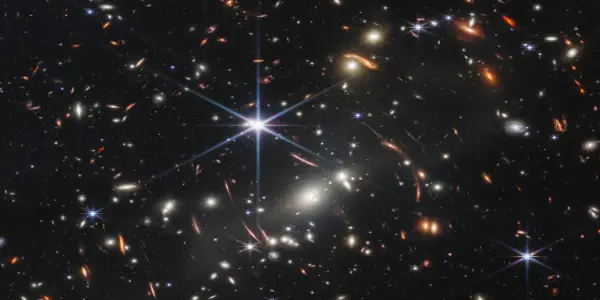
Ancient Galaxies: A Chaotic Early Universe...
Enhance Your Weather Preparedness with Weather...

NASA Unveils New Images of Interstellar Comet...
Study Suggests the Universe's Expansion May Be...
New Mexico Startup Unveils Ambitious Plan to...
James Webb Space Telescope May Have Detected the...
SabreSat: An Innovative Air-Breathing Satellite...
Andromeda Galaxy's Impact on Its Satellite...
Astronomers Converge in Phoenix for AAS 247: A...
James Webb Space Telescope Discovers Ancient...
Hubble Telescope Unveils Enigmatic Galaxy NGC 2775
Deep Fission Proposes Underground Nuclear...
NASA's X-59 Achieves Historic Supersonic Flight

Samsung's Galaxy S26 Ultra Set for Significant...
The Impact of Space Technology on Everyday Life
Astrophysicists Unveil Dark Universe Through...

Satellite Imagery Reveals Extensive Damage Across...
Discovery of a Planet Formation Zone Beyond...
Innovative Portable Reflecting Telescope...
This Week In Space Podcast: Episode 187 Explores...
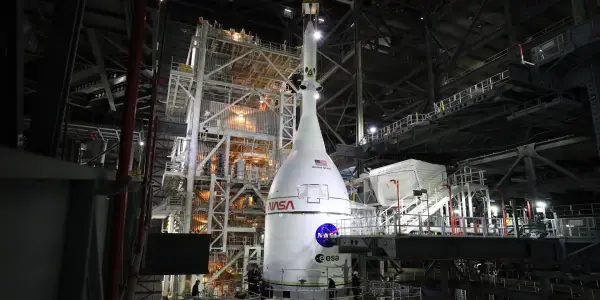
NASA Advances Artemis 2 Mission with Orion...

Portal Systems Aims to Revolutionize Spacecraft...
Highlights of 2025 in Space Exploration: From...
Charlotte: The Lunar 3D Printer Poised to...
Astronomers Uncover Evidence of Aging Stars...
NASA and European Partners Prepare for...
Hawaiian Students Honor Gemini North Telescope's...
Congress Questions NASA's Facility Closures Amid...
Potential Evidence of Dark Matter Emerges from...
Boeing's Upcoming Starliner Mission Set for April...