Astronomers Successfully Measure Mass of Rogue Planet in Milky Way

Utilizing a combination of ground and space-based observations, scientists have accurately measured the mass and distance of a newly identified rogue planet, revealing significant insights into planetary formation and migration.
In-depth analysis
New discoveries
Astronomers have made significant strides in understanding rogue planets with the successful measurement of a wandering planet's mass and position in the Milky Way. Utilizing combined observations from Earth and the Gaia space telescope, researchers revealed that the planet's mass is approximately 30% that of Jupiter, suggesting a complex formation history linked to planetary systems.
Mission updates
The study highlights advancements in observational techniques, particularly through the collaborative use of ground-based surveys and the Gaia space telescope. This dual approach has proven effective in measuring the characteristics of elusive rogue planets.
Who is affected
The findings impact astronomers and astrophysicists focused on planetary formation and dynamics, as well as those studying the broader implications of rogue planets in the galaxy. Enhanced understanding could influence future research directions and observational strategies.
Next steps
Future research will likely leverage the capabilities of the upcoming NASA Nancy Grace Roman Space Telescope, which aims to refine observations of microlensing events. This could further illuminate the processes behind planetary evolution and the nature of rogue planets.
Did you know?
Why we should care
Understanding rogue planets is more than an academic exercise; it reshapes our view of the universe. These free-floating worlds challenge traditional notions of planetary formation and evolution, influencing how we perceive our own solar system's stability. As astronomers develop better tools to study these elusive bodies, the potential for discovering new celestial neighbors increases, impacting future explorations and perhaps even the search for extraterrestrial life.
The universe's unsolved mystery
The existence of rogue planets raises profound questions about planetary dynamics and the stability of solar systems. How do these planets form, and what mechanisms propel them into the vastness of interstellar space? Each discovery serves as a reminder that our understanding of the cosmos is still incomplete, inviting further inquiry into the forces that govern celestial bodies and their interactions.
The person who looks at the stars
In a small town, 12-year-old Mia spends her evenings stargazing with her grandfather, a retired astrophysicist who ignited her passion for astronomy. They often discuss the mysteries of the universe, and recently, Mia learned about rogue planets. Fascinated, she now dreams of becoming an astronomer. For Mia, these celestial wanderers represent not just distant worlds, but the endless possibilities of exploration and discovery. Each star and planet she observes through her telescope fuels her curiosity about what lies beyond our solar system, connecting her to the grand narrative of the universe.
New Simulations Shed Light on the Enigmatic...
NASA's Ambitious Timeline for Human Exploration...
Astrophotographer Captures Stunning Image of...
Young Canadian Astronomer Identifies Two...

OnePlus 15 vs. Samsung Galaxy S25 Plus: A Clash...

Jeff Bezos's AI Hardware Venture Takes Aim at...
Exploring the Composition of Cosmic Voids
Interstellar Comet 3I/ATLAS Approaches...
Potential Evidence of Dark Matter Emerges from...

Enhance Your Weather Preparedness with Weather...


Ancient Galaxies: A Chaotic Early Universe...
Study Suggests the Universe's Expansion May Be...
New Mexico Startup Unveils Ambitious Plan to...

James Webb Space Telescope May Have Detected the...
SabreSat: An Innovative Air-Breathing Satellite...
Andromeda Galaxy's Impact on Its Satellite...

This Week In Space Podcast: Episode 187 Explores...
James Webb Space Telescope Discovers Ancient...
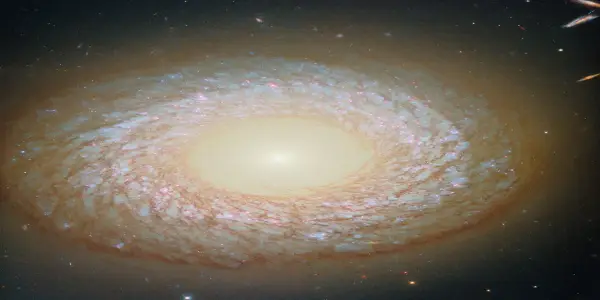
Hubble Telescope Unveils Enigmatic Galaxy NGC 2775

Deep Fission Proposes Underground Nuclear...

NASA's X-59 Achieves Historic Supersonic Flight

Samsung's Galaxy S26 Ultra Set for Significant...
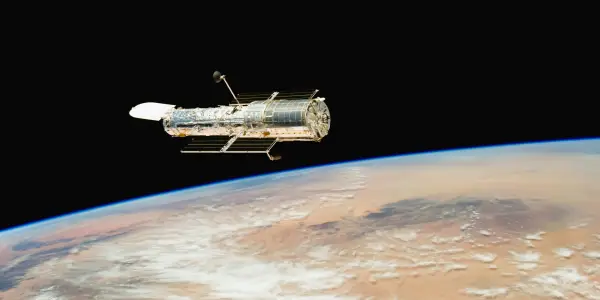
The Impact of Space Technology on Everyday Life

Astrophysicists Unveil Dark Universe Through...

Satellite Imagery Reveals Extensive Damage Across...
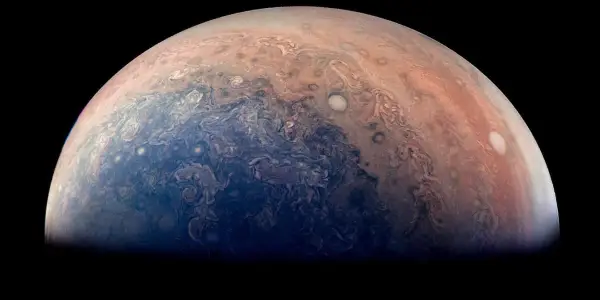
Discovery of a Planet Formation Zone Beyond...

Innovative Portable Reflecting Telescope...
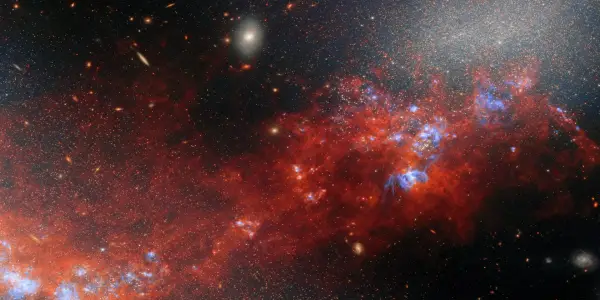
Astronomers Converge in Phoenix for AAS 247: A...
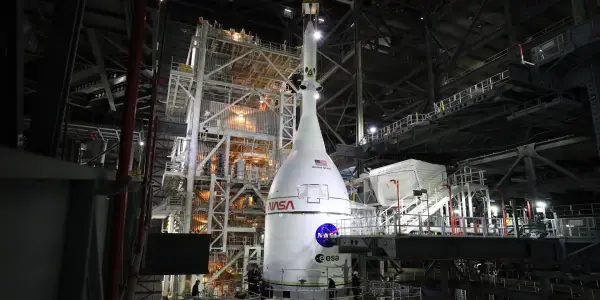
NASA Advances Artemis 2 Mission with Orion...

FULU Foundation Introduces Repair Bounty System...

Portal Systems Aims to Revolutionize Spacecraft...
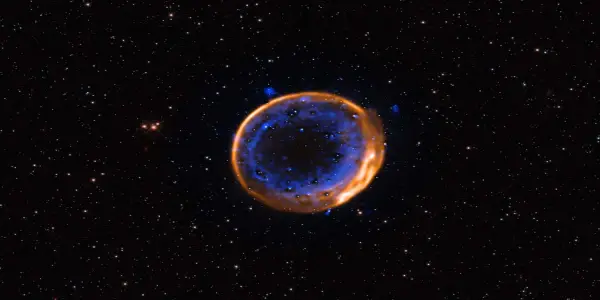
Highlights of 2025 in Space Exploration: From...
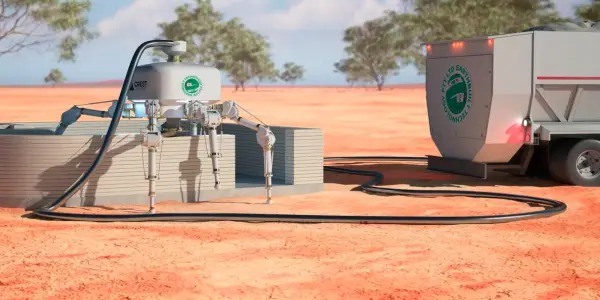
Charlotte: The Lunar 3D Printer Poised to...
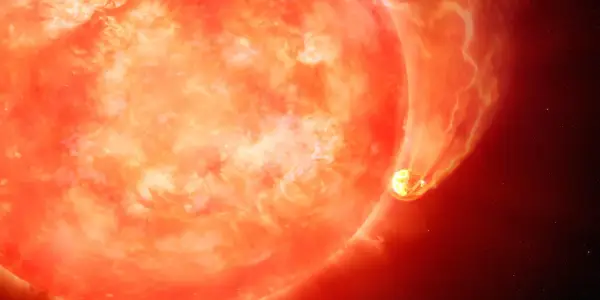
Astronomers Uncover Evidence of Aging Stars...
NASA and European Partners Prepare for...
Hawaiian Students Honor Gemini North Telescope's...

Congress Questions NASA's Facility Closures Amid...
NASA Unveils New Images of Interstellar Comet...
Boeing's Upcoming Starliner Mission Set for April...