Astronomers Discover Atmosphere on Rocky Exoplanet, Elevating Prospects for Extraterrestrial Life
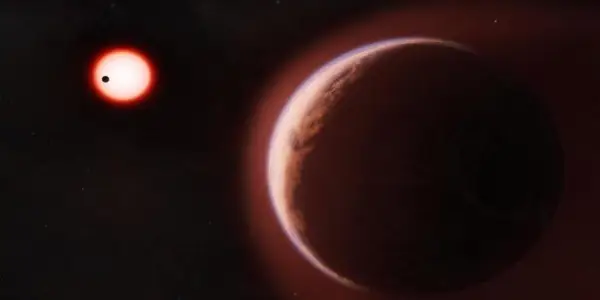
The detection of a helium-rich atmosphere on a rocky exoplanet marks a significant advancement in the quest for life beyond Earth.
In-depth analysis
New discoveries
Astronomers have uncovered the first atmosphere surrounding a rocky exoplanet in its star's habitable zone, LHS 3844 b, located 49 light-years from Earth. This groundbreaking finding reveals traces of helium escaping from the planet's atmosphere, suggesting the presence of other life-sustaining gases beneath. This discovery marks a significant advancement in the search for extraterrestrial life.
Mission updates
Utilizing the Magellan Clay telescope, researchers observed LHS 3844 b as it transited its star, confirming the existence of an atmosphere for the first time on a rocky planet in a habitable zone.
Who is affected
The findings impact astronomers and astrobiologists who study planetary atmospheres and the potential for life beyond Earth. Additionally, this research could influence future missions aimed at exploring exoplanets and understanding their environments.
Next steps
Researchers plan to conduct further observations to identify additional rocky planets with similar atmospheric features. This ongoing investigation aims to deepen our understanding of habitability in the universe.
Did you know?
Why we should care
The discovery of an atmosphere on LHS 3844 b opens a window into the potential for life beyond Earth. For everyday people, this research could influence future space exploration initiatives, funding in astronomy, and even inspire the next generation of scientists. The idea that we might not be alone in the universe has profound implications for humanity's understanding of its place in the cosmos.
The universe's unsolved mystery
Despite the excitement surrounding LHS 3844 b, the universe still harbors countless mysteries. One of the most profound questions remains unanswered: What forms of life, if any, could exist in environments vastly different from our own? As scientists continue to uncover new worlds, the possibilities challenge our definitions of life and habitability.
The person who looks at the stars
Meet Elena, a high school astronomy teacher in Tucson, Arizona. Every night, she takes her students outside to gaze at the stars, sparking their imaginations about distant worlds. The discovery of LHS 3844 b resonates deeply with her; it validates her passion for teaching and the importance of curiosity. Elena often tells her students, 'Each star is a sun, and each sun might have planets just like ours.' This news fuels her belief that one day, her students might contribute to the search for extraterrestrial life, inspiring a sense of wonder and possibility that transcends the classroom.
Expert Commentary

European Space Agency Unveils Stunning Radar...
Webb Telescope Reveals Unprecedented Cosmic...
Hubble Telescope Unveils Enigmatic Galaxy NGC 2775
James Webb Space Telescope Captures Stunning...
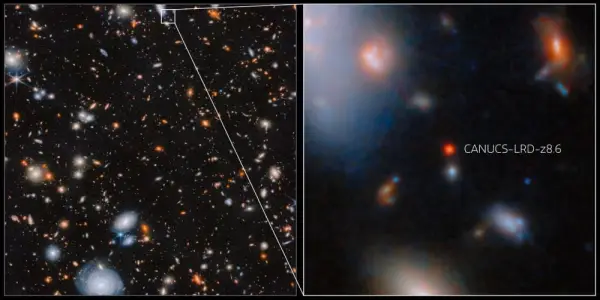
James Webb Space Telescope Sheds Light on Early...
Potential Evidence of Dark Matter Emerges from...
Exploring Oregon's Premier Public Telescope...
SpaceX Set to Launch NASA's Pandora Exoplanet...

Jeff Bezos's AI Hardware Venture Takes Aim at...

Satellite Imagery Reveals Extensive Damage Across...

The Pleiades Star Cluster Reveals Its Extensive...
New Mexico Startup Unveils Ambitious Plan to...
Intense Solar Storm May Illuminate Skies Across...
Jupiter's Moons Io and Europa to Cast Shadows...
Rogue Moons: A New Frontier for Life Beyond Stars
Astrophysicists Unveil Dark Universe Through...
Portal Systems Aims to Revolutionize Spacecraft...

Urwerk Unveils Limited-Edition 100V 'LightSpeed'...
Exploring the Composition of Cosmic Voids
Astrophotographer Captures Stunning Image of...
Young Canadian Astronomer Identifies Two...

Lenovo's Legion Tab Gen 3 Sees Significant Black...
Recent Studies Explore Potential Exoplanet in...
Unistellar eQuinox 2 Smart Telescope Sees...
The Dwarf III Smart Telescope: A Compact Marvel...
Italian Producer Plans Historic Film to Shoot in...
NASA's ESCAPADE Probes Set for Unique Journey to...
New Research Suggests Dark Matter Influences...
Astronomers Identify Three Earth-Sized Exoplanets...
New Simulations Shed Light on the Enigmatic...
Interstellar Comet 3I/ATLAS Approaches...
James Webb Space Telescope Discovers Ancient...
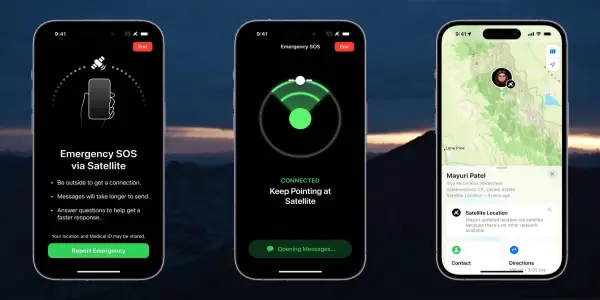
Apple Introduces Emergency SOS via Satellite in...
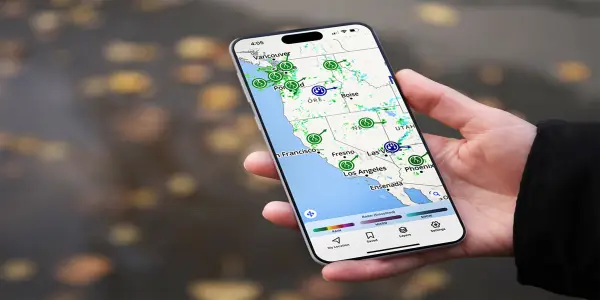
Enhance Your Weather Preparedness with Weather...
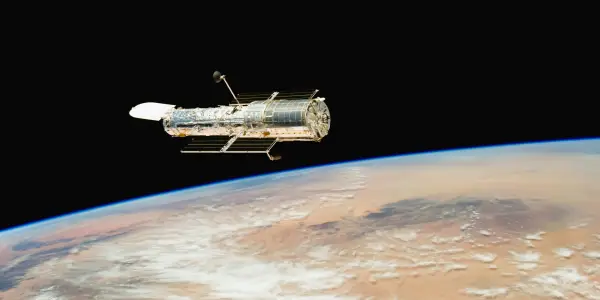
The Impact of Space Technology on Everyday Life
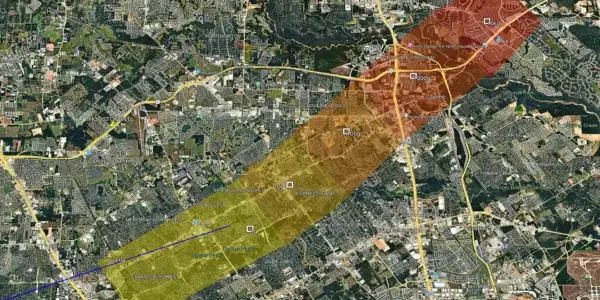
Meteorite Fragment May Have Impacted Houston Home
Astronomers Discover Ancient White Dwarf Actively...

Samsung Galaxy S26 Expected to Feature Enhanced...
Astronauts aboard the ISS Capture Stunning Images...