Charlotte: The Lunar 3D Printer Poised to Construct Habitats on the Moon
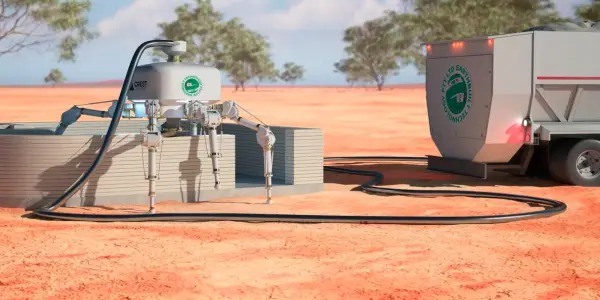
A cutting-edge 3D printing robot capable of building homes in a single day is being developed for lunar missions, highlighting its significance for future space exploration.
In-depth analysis
New discoveries
The Artemis program is revolutionizing lunar construction through the introduction of Charlotte, a semi-autonomous robotic system. This innovative robot can 3D print habitats using lunar regolith, significantly enhancing the feasibility of sustainable living on the Moon. Its ability to operate in extreme conditions while utilizing local materials marks a significant advancement in extraterrestrial construction technology.
Mission updates
NASA's Artemis program is progressing toward its first crewed lunar mission in over fifty years, with a focus on establishing sustainable habitats. The development of Charlotte illustrates a key technological advancement in this ambitious initiative.
Who is affected
The advancements in lunar construction technologies, particularly through Charlotte, have implications for astronauts and future space explorers. These innovations aim to enhance safety and efficiency in building habitats, ultimately benefiting those involved in long-term lunar missions and potential Mars expeditions.
Next steps
Future efforts will concentrate on refining Charlotte's capabilities, including protective measures against radiation. Continued research will also explore the creation of additional structures using lunar materials, paving the way for expanded human presence on the Moon.
Did you know?
Why we should care
The Artemis program's advancements, like the Charlotte robot, could redefine how humanity interacts with space. If successful, we won't just visit the Moon; we could live there sustainably. This has implications for our understanding of resources, environmental impact, and even future colonization efforts on Mars. Such technology could also inspire solutions for habitat construction on Earth, especially in remote or disaster-stricken areas.
The universe's unsolved mystery
The challenge of constructing habitats on the Moon raises questions about the adaptability of human technology in extreme environments. As we push the boundaries of engineering, the fundamental mystery remains: how can we truly thrive beyond Earth? This inquiry not only propels space exploration but also invites us to rethink our capabilities on our home planet.
The person who looks at the stars
Maya Chen, a 12-year-old aspiring astronaut, gazes up at the stars each night from her backyard in rural Ohio. Inspired by her grandfather, who worked on the Apollo missions, Maya dreams of a future where she lives and works on the Moon. The news of Charlotte excites her; she sees the robot as a symbol of possibility, a step towards making her dreams tangible. For Maya, each news story transforms her fascination into hope, reminding her that the universe is within reach. As she learns about lunar habitats, she envisions a life where children like her can one day explore the stars, fostering a connection between generations and igniting a passion for space exploration.

NASA Unveils New Images of Interstellar Comet...
Assessing the Financial Impact of NASA's Apollo...
Interstellar Comet 3I/ATLAS Approaches...


Unistellar eQuinox 2 Smart Telescope Sees...
Meteorite Fragment May Have Impacted Houston Home

Samsung Unveils Unprecedented Black Friday Deal...
New Simulations Shed Light on the Enigmatic...
NASA Advances Artemis 2 Mission with Orion...
Breakthrough in Milky Way Simulation Using AI...

Enhance Your Weather Preparedness with Weather...
This Week In Space Podcast: Episode 187 Explores...
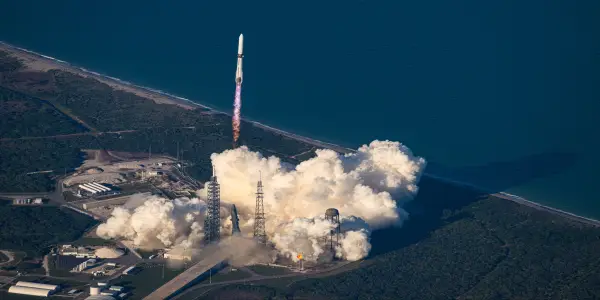
NASA and Blue Origin Successfully Launch Dual...
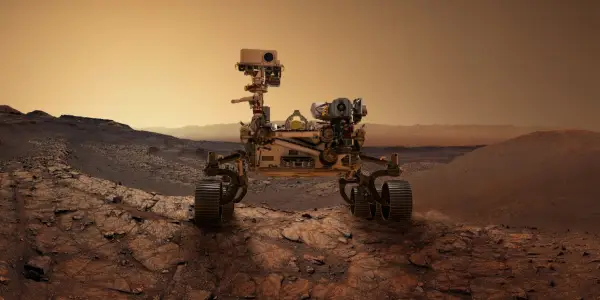
Unraveling the Mysteries of Mars: Recent...
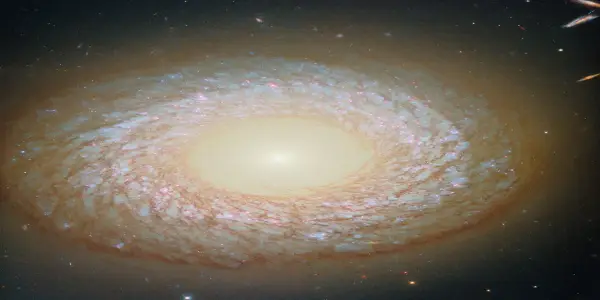
Hubble Telescope Unveils Enigmatic Galaxy NGC 2775
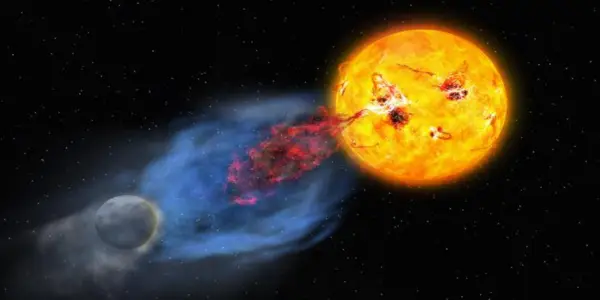
Intense Solar Storms Could Ignite Life on...
Astronomers Converge in Phoenix for AAS 247: A...

Astronomers Identify Three Earth-Sized Exoplanets...
Study Suggests the Universe's Expansion May Be...
Deep Fission Proposes Underground Nuclear...
Astronomers Identify Potential Earth-Like...
Astronomers Capture Unprecedented Black Hole...
NASA and European Partners Prepare for...
Mapping the Invisible: Astronomers Uncover Dark...
Rogue Moons: A New Frontier for Life Beyond Stars
Young Canadian Astronomer Identifies Two...

OnePlus 15 vs. Samsung Galaxy S25 Plus: A Clash...

Urwerk Unveils Limited-Edition 100V 'LightSpeed'...

Foundation Season 3 Hints at Deeper Asimov Themes...
Webb Telescope Reveals Unprecedented Cosmic...
Congress Questions NASA's Facility Closures Amid...

Jeff Bezos's AI Hardware Venture Takes Aim at...
Highlights of 2025 in Space Exploration: From...
Blue Origin Faces Major Setback as New Glenn...
James Webb Telescope Identifies Rapidly Growing...

Astrophysicists Unveil Dark Universe Through...

Daily Roundup: November 10, 2025 – Advancements...

Satellite Imagery Highlights Hurricane Damage...
Exploring the Composition of Cosmic Voids
Astronomers Uncover a Rapid Star-Forming Galaxy...