Highlights of 2025 in Space Exploration: From Supernovae to Lunar Landings
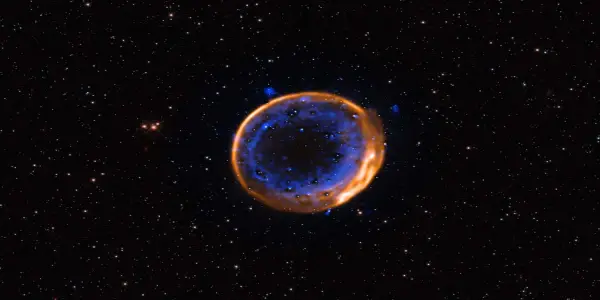
This year showcased remarkable events in astronomy and space exploration, featuring a double-detonating supernova, a historic private moon landing, and a breathtaking lunar eclipse.
In-depth analysis
New discoveries
In 2025, groundbreaking discoveries in space exploration emerged, including the observation of a supernova remnant by the Very Large Telescope. This cosmic event, dating back 1,000 years, reveals insights into stellar life cycles, particularly the transformation of white dwarf stars. Additionally, the launch of a powerful telescope yielded stunning images of the Trifid Nebula and Lagoon Nebula.
Mission updates
SpaceX's Starship faced challenges this year, with three failed launch attempts overshadowing a successful orbital test flight. Meanwhile, Firefly Aerospace celebrated a significant milestone by landing its Blue Ghost lander on the moon, marking a notable achievement in commercial spaceflight.
Who is affected
The advancements in space exploration impact a wide range of stakeholders, including scientists, commercial space companies, and the general public. The successful missions enhance our understanding of the universe and inspire future generations of engineers and astronauts, fostering interest in STEM fields.
Next steps
Looking ahead, the focus will be on further refining rocket technologies and expanding commercial missions. Continued collaboration between private companies and space agencies is expected to drive innovation, paving the way for more ambitious lunar and deep-space exploration endeavors.
Did you know?
Why we should care
The events of 2025 in space exploration impact more than just scientists and engineers. They represent a leap toward a future where commercial flights could make space travel accessible to everyday people. The advancements in technology, including new telescopes and lunar missions, may foster innovations that enhance our daily lives, from improved communication systems to breakthroughs in materials science that could revolutionize industries.
The universe's unsolved mystery
Despite our technological strides, the universe still holds countless secrets. The phenomenon of dark matter and dark energy remains largely enigmatic, influencing the cosmos while eluding direct observation. Understanding these forces could unlock answers about the universe's expansion and its ultimate fate, reshaping our knowledge of physics and existence itself.
The person who looks at the stars
Meet Maya Chen, a high school astronomy teacher in San Francisco who inspires her students with tales of the cosmos. After witnessing the lunar eclipse in September 2025, she organized a stargazing event, encouraging her students to share their thoughts about the universe. For Maya, these celestial events are not just scientific phenomena; they spark curiosity and wonder in young minds. She believes that understanding our place in the universe fosters a sense of responsibility for Earth. Through her passion, Maya empowers her students to explore the unknown and dream of a future where they, too, could make discoveries among the stars.
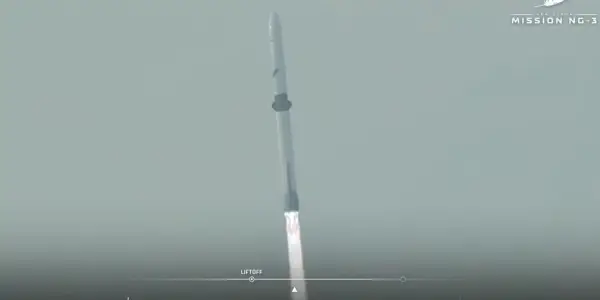
Blue Origin Faces Major Setback as New Glenn...
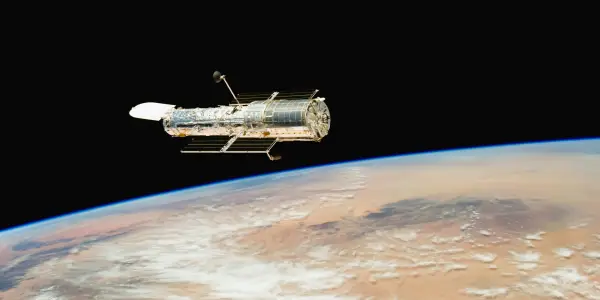
The Impact of Space Technology on Everyday Life
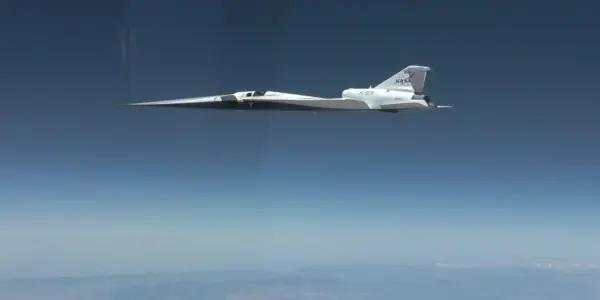
NASA's X-59 Achieves Historic Supersonic Flight

NASA Unveils New Images of Interstellar Comet...
Discovery of a Planet Formation Zone Beyond...
Collaboration Between Exoplanet Researchers and...
Astronomers Identify Potential Earth-Like...
NASA's ESCAPADE Probes Set for Unique Journey to...
Webb Telescope Reveals Unprecedented Cosmic...

China's Mars Orbiter Captures Image of...
Astronomers Converge in Phoenix for AAS 247: A...
Astronomers Capture Unprecedented Black Hole...

OnePlus 15 vs. Samsung Galaxy S25 Plus: A Clash...

Jeff Bezos's AI Hardware Venture Takes Aim at...

Daily Roundup: November 10, 2025 – Advancements...

European Space Agency Unveils Stunning Radar...
Study Suggests the Universe's Expansion May Be...
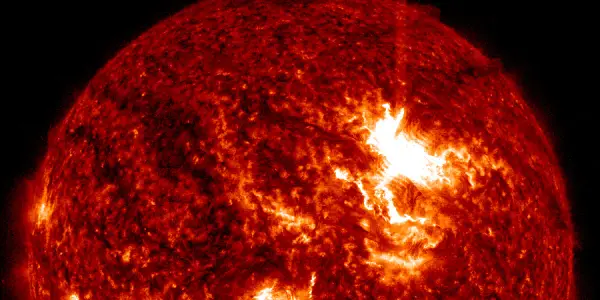
X5.1 Solar Flare Triggers G4 Geomagnetic Storm...
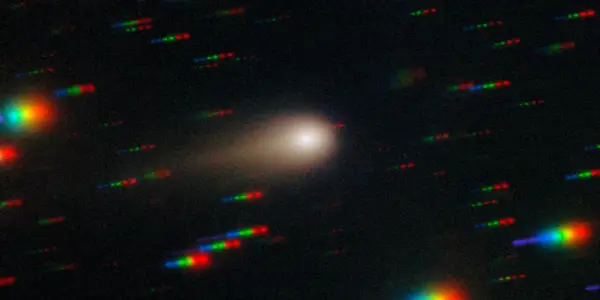
NASA's Campaign to Monitor Interstellar Comet...
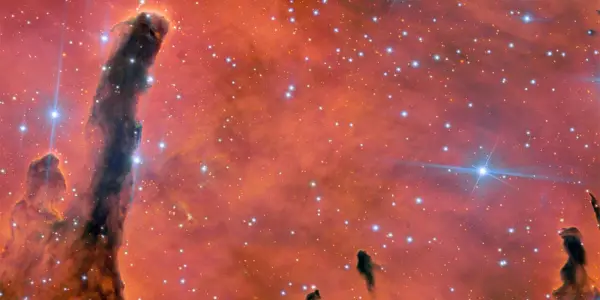
Hawaiian Students Honor Gemini North Telescope's...
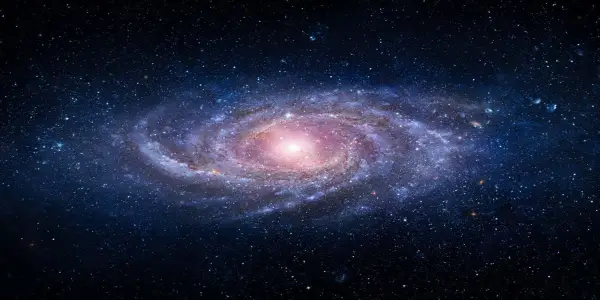
Potential Evidence of Dark Matter Emerges from...
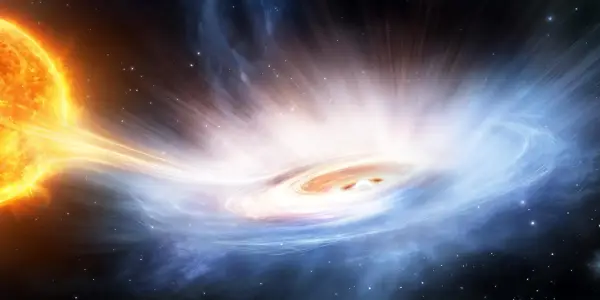
Unusual Wind from Neutron Star Challenges Space...
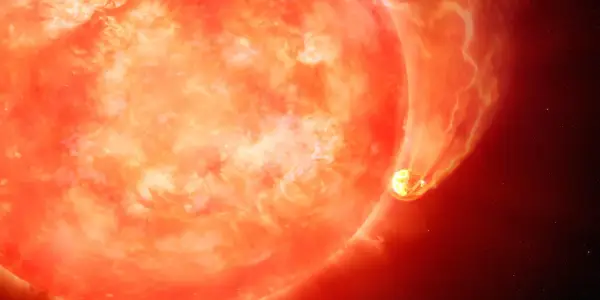
Astronomers Uncover Evidence of Aging Stars...

Innovative Portable Reflecting Telescope...
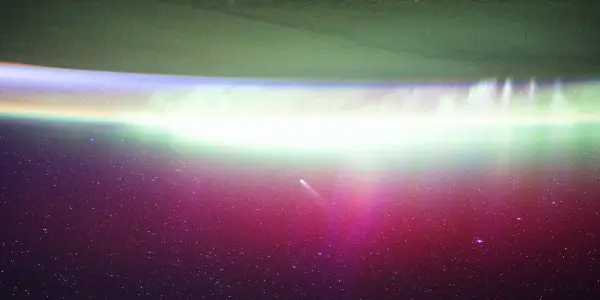
Astronauts aboard the ISS Capture Stunning Images...
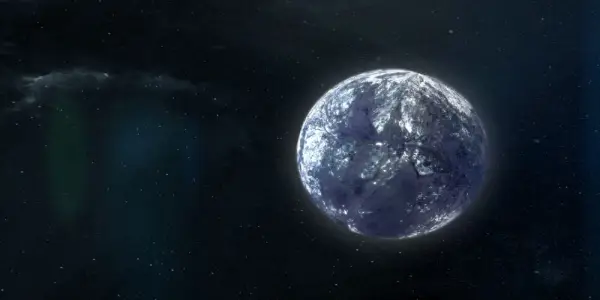
Rogue Moons: A New Frontier for Life Beyond Stars
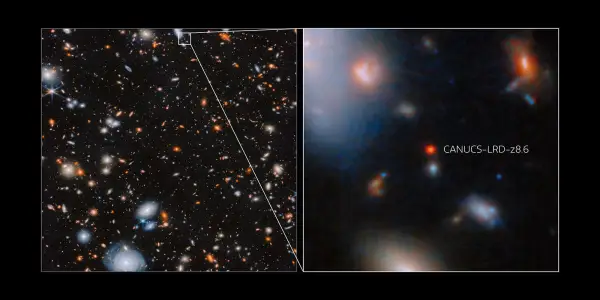
James Webb Telescope Identifies Rapidly Growing...
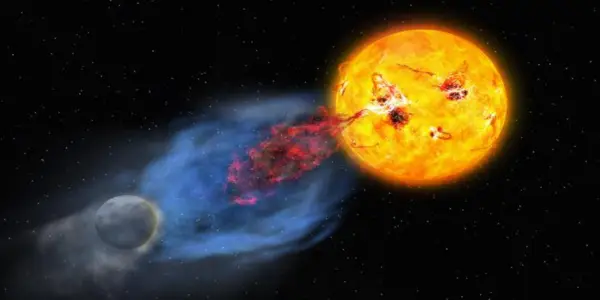
Intense Solar Storms Could Ignite Life on...
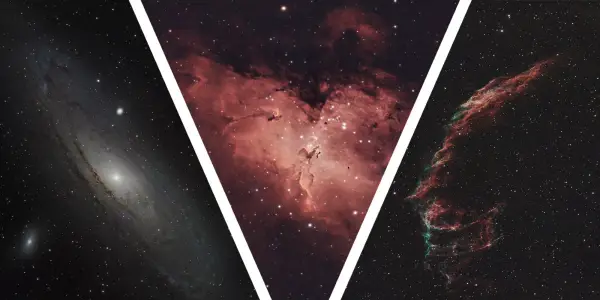
The Dwarf III Smart Telescope: A Compact Marvel...
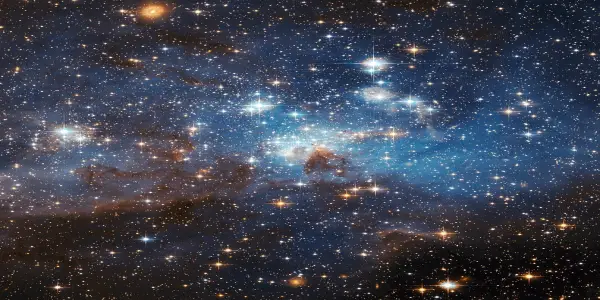
Mapping the Invisible: Astronomers Uncover Dark...

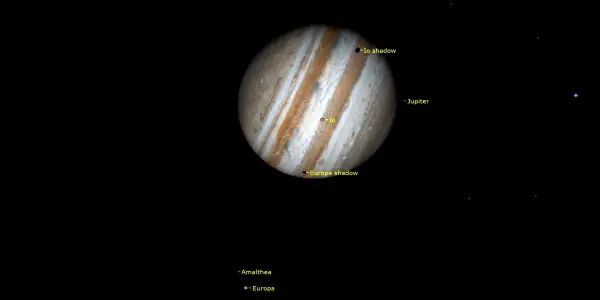
Jupiter's Moons Io and Europa to Cast Shadows...
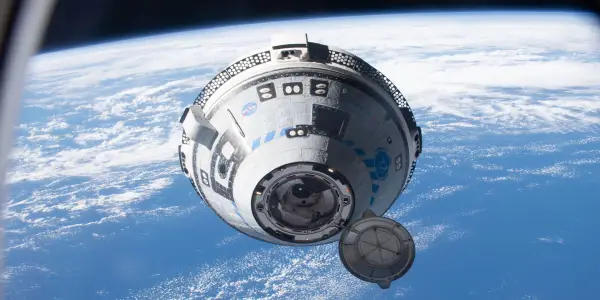
Boeing's Upcoming Starliner Mission Set for April...
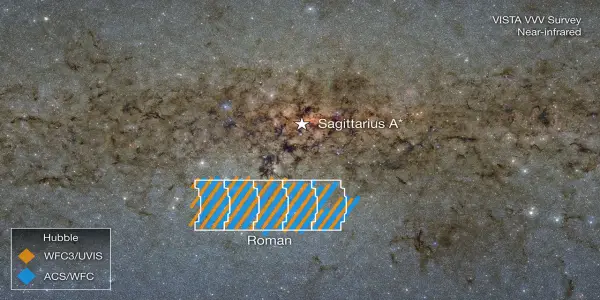
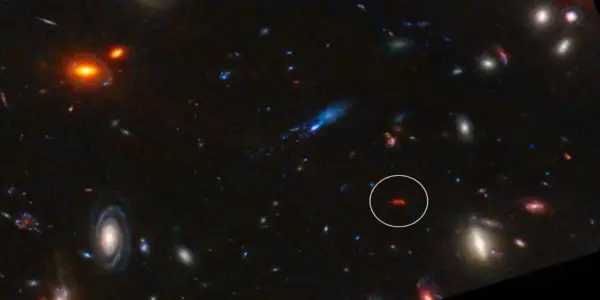
Astronomers Uncover a Rapid Star-Forming Galaxy...
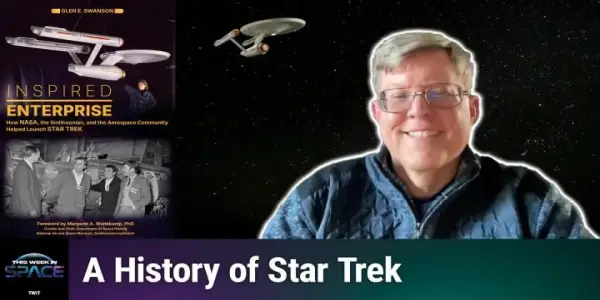
This Week In Space Podcast: Episode 187 Explores...
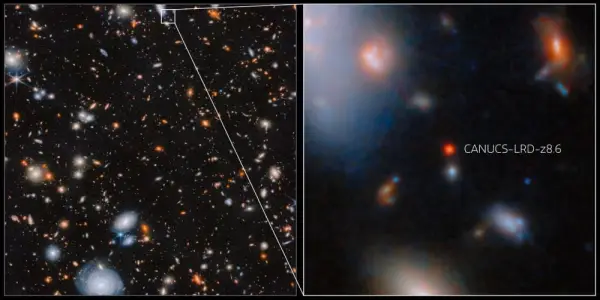
James Webb Space Telescope Sheds Light on Early...
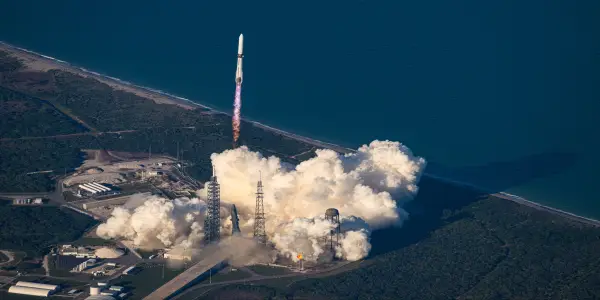
NASA and Blue Origin Successfully Launch Dual...
New Research Suggests Dark Matter Influences...
Andromeda Galaxy's Impact on Its Satellite...