The Impact of Space Technology on Everyday Life
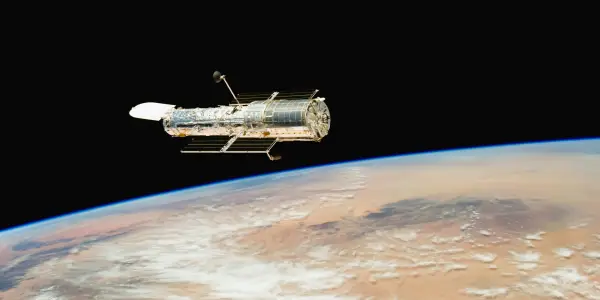
Space technology plays a critical role in enhancing daily life through advancements in satellite communications, NASA-derived innovations, and applications in various sectors such as agriculture and healthcare.
In-depth analysis
New discoveries
Recent advancements in space technology have led to innovative applications on Earth, notably in healthcare and environmental management. Research in microgravity has spurred breakthroughs in medical treatments, while satellite data enhances precision farming, optimizing resource use and boosting crop yields. These discoveries highlight the profound interconnectedness between space exploration and terrestrial challenges.
Mission updates
NASA continues to adapt its technologies for civilian applications, expanding the reach of space innovations into everyday life. Ongoing research focuses on enhancing the efficiency and effectiveness of these technologies across multiple sectors.
Who is affected
The integration of space technology impacts a diverse range of stakeholders, including healthcare providers, farmers, and communities in remote areas. Improved access to satellite communication and data enhances educational opportunities and emergency services for underserved populations.
Next steps
Future initiatives will likely focus on further harnessing space technology for sustainable practices and improved health outcomes. Continued collaboration between space agencies and civilian sectors is essential for addressing pressing global challenges.
Did you know?
Why we should care
The integration of space technology into our lives is not just a scientific marvel; it’s a crucial tool for tackling pressing issues like climate change and healthcare. For instance, the satellites monitoring air quality help families understand pollution levels in their neighborhoods, while GPS technology streamlines food delivery, ensuring fresh produce reaches your kitchen faster. The ripple effects of space research make our daily lives safer and more efficient.
The universe's unsolved mystery
Despite the successes of space technology, profound questions linger. How do we ensure that advancements continue to benefit all of humanity, especially in underserved areas? As we expand our reach into the cosmos, the challenge remains to balance exploration with ethical responsibilities on Earth. The fate of our planet and future technologies may hinge on addressing these dilemmas.
The person who looks at the stars
Meet Sarah, a middle school science teacher in a small coastal town. Every night, she gazes at the stars, feeling a deep connection to the universe and her students' futures. Inspired by NASA's innovations, she incorporates space technology into her curriculum, showing her students how satellites monitor climate change. For Sarah, the stars are not just distant points of light; they represent hope and the possibility of a better world. Her passion ignites curiosity, encouraging her students to dream big and consider careers in science and technology, reminding them that the mysteries of the universe are intertwined with their everyday lives.
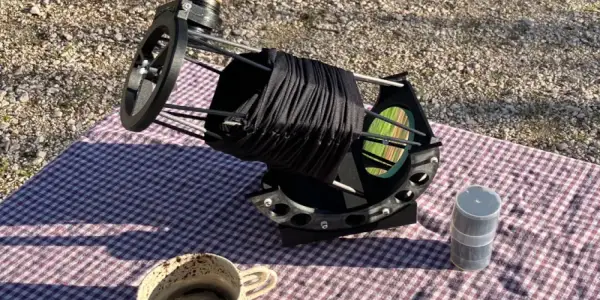
Innovative Portable Reflecting Telescope...
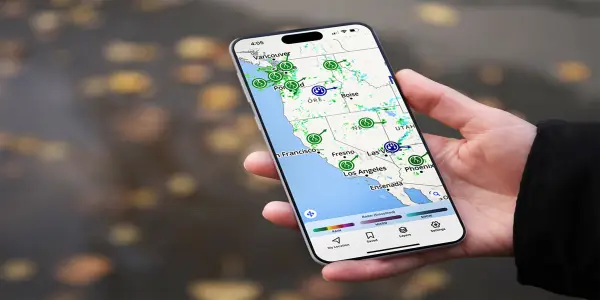
Enhance Your Weather Preparedness with Weather...
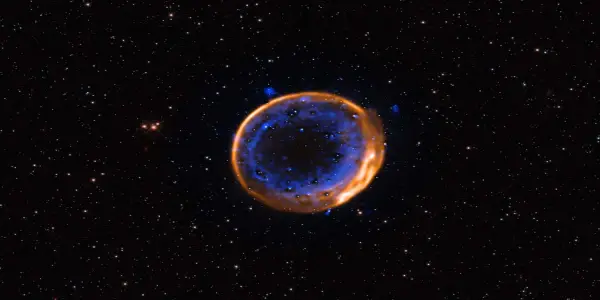
Highlights of 2025 in Space Exploration: From...

China's Mars Orbiter Captures Image of...
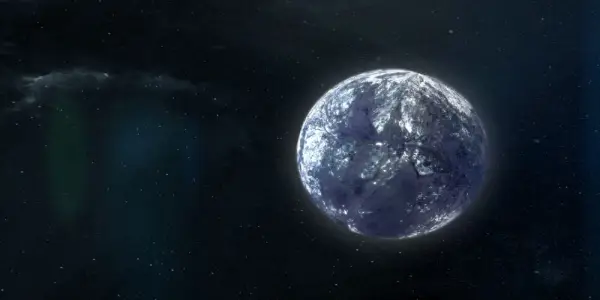
Rogue Moons: A New Frontier for Life Beyond Stars
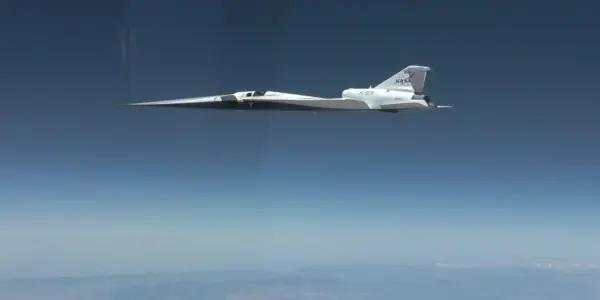
NASA's X-59 Achieves Historic Supersonic Flight

Childcare Crisis: Families Struggle as...
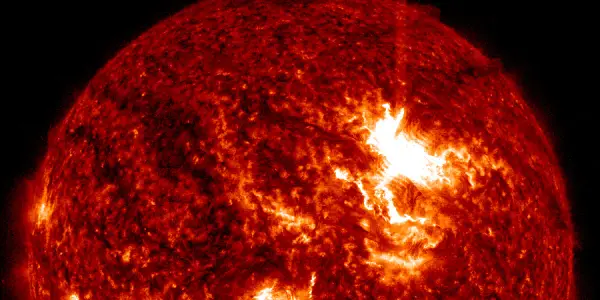
X5.1 Solar Flare Triggers G4 Geomagnetic Storm...

Samsung's Galaxy S26 Ultra Set for Significant...
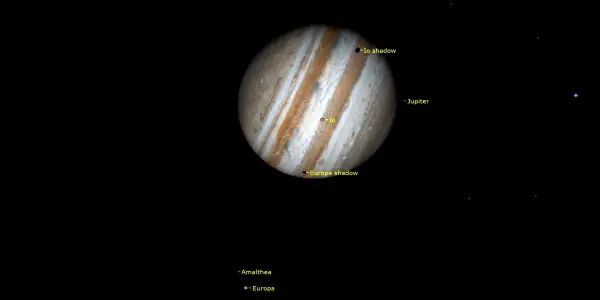
Jupiter's Moons Io and Europa to Cast Shadows...
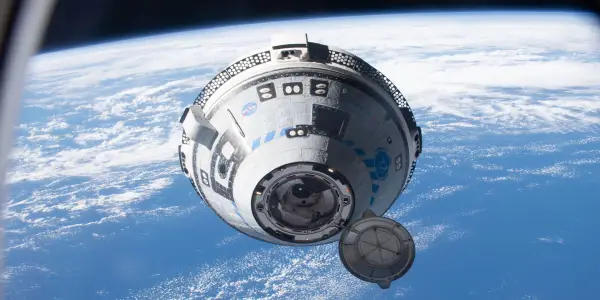
Boeing's Upcoming Starliner Mission Set for April...
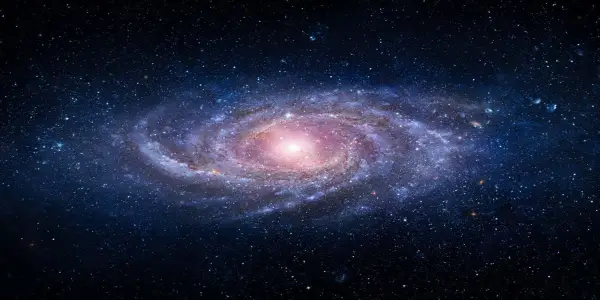
Potential Evidence of Dark Matter Emerges from...

Foundation Season 3 Hints at Deeper Asimov Themes...
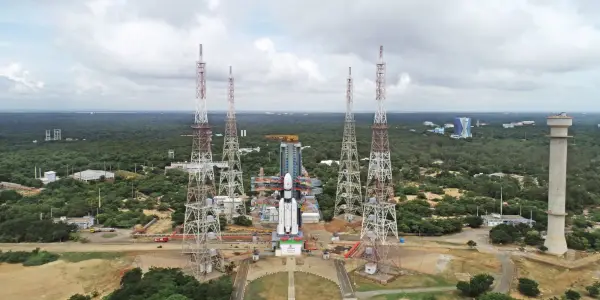
India Successfully Launches CMS-03 Military...
Recent Studies Explore Potential Exoplanet in...
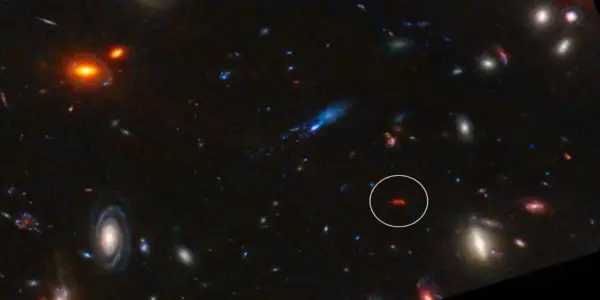
Astronomers Uncover a Rapid Star-Forming Galaxy...
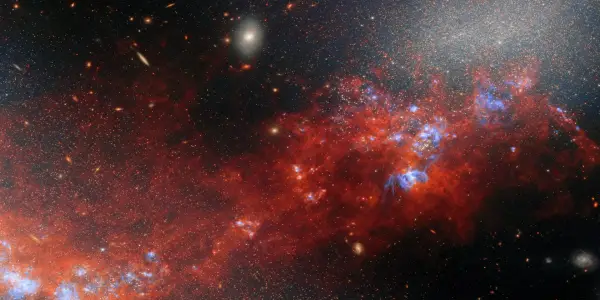
Astronomers Converge in Phoenix for AAS 247: A...
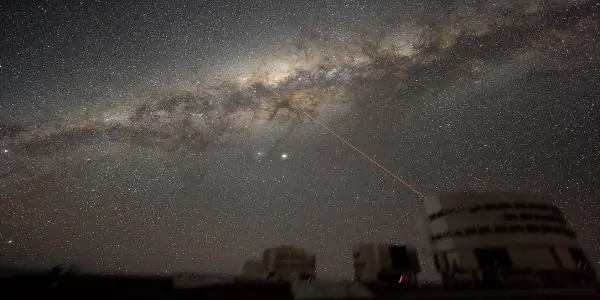
Breakthrough in Milky Way Simulation Using AI...
Samsung Galaxy S26 Expected to Feature Enhanced...

Top Black Friday Smartwatch Deals Worth...
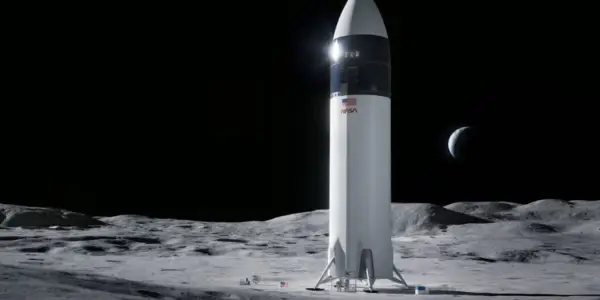
SpaceX Faces Challenges in Meeting NASA's 2027...
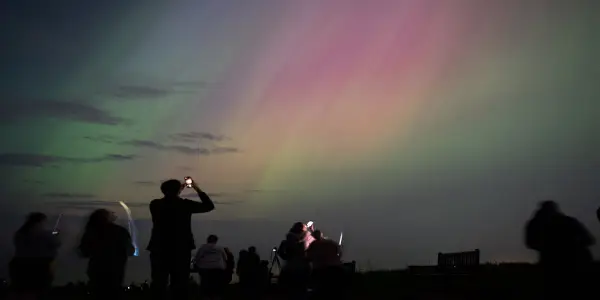
Intense Solar Storm May Illuminate Skies Across...

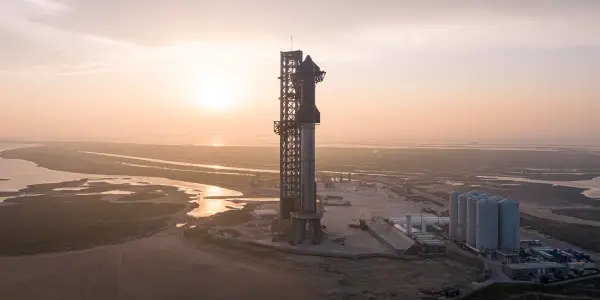
NASA's Artemis 3 Moon Mission Delayed to 2028 Due...
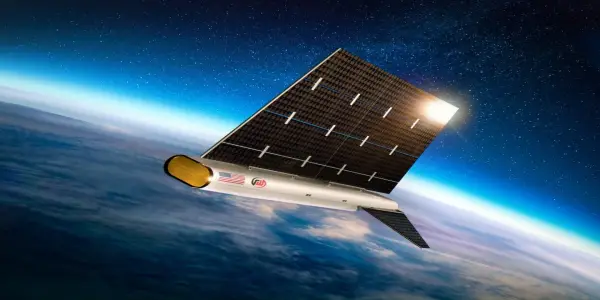
SabreSat: An Innovative Air-Breathing Satellite...
James Webb Telescope Identifies Rapidly Growing...
Ancient Galaxies: A Chaotic Early Universe...
Exploring the Composition of Cosmic Voids
Intense Solar Storms Could Ignite Life on...
AI Reveals Over 800 New Cosmic Anomalies from...
Assessing the Financial Impact of NASA's Apollo...
NASA Advances Artemis 2 Mission with Orion...
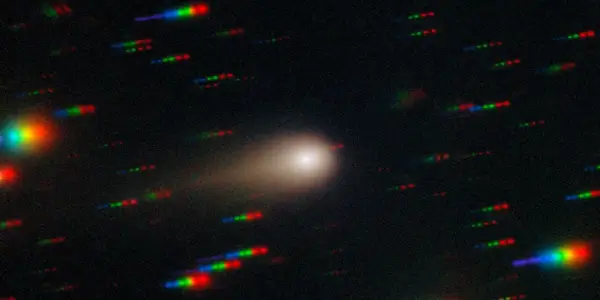
Interstellar Comet 3I/ATLAS Approaches...
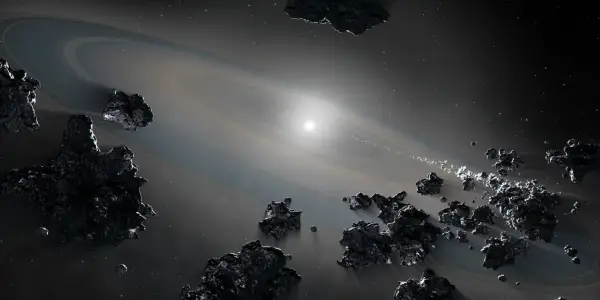
Astronomers Discover Ancient White Dwarf Actively...
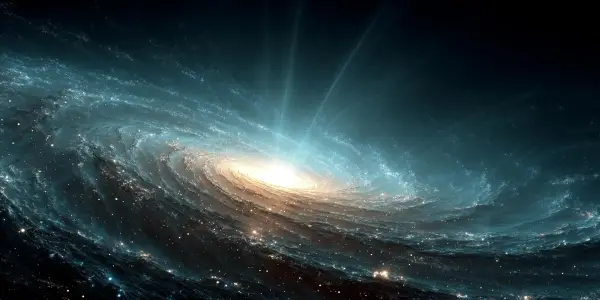
New Research Suggests Dark Matter Influences...
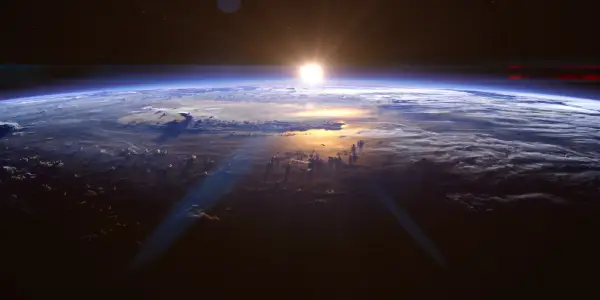
Portal Systems Aims to Revolutionize Spacecraft...
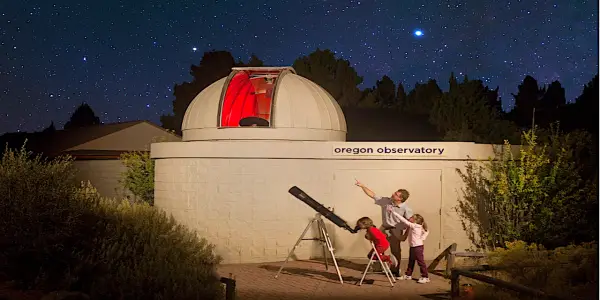
Exploring Oregon's Premier Public Telescope...

OnePlus 15 vs. Samsung Galaxy S25 Plus: A Clash...
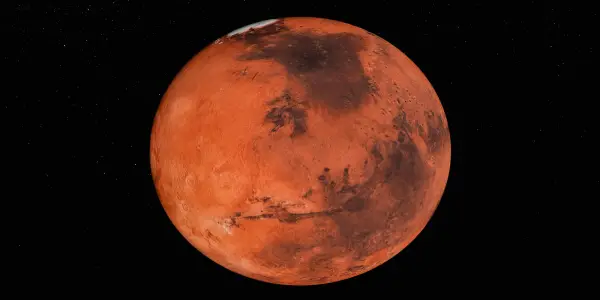
NASA's Ambitious Timeline for Human Exploration...