India Successfully Launches CMS-03 Military Communications Satellite into Orbit
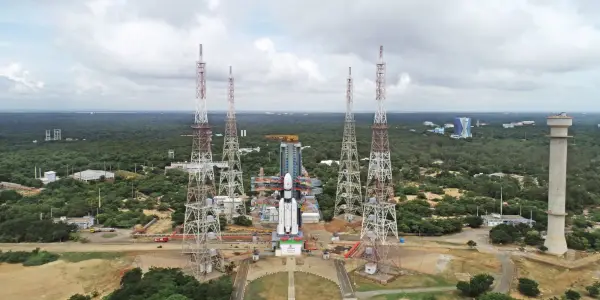
India has successfully launched the CMS-03 military communications satellite, enhancing the Navy's capabilities and marking a milestone in its space program.
In-depth analysis
New discoveries
India just launched CMS-03—their heaviest military comms satellite ever! GSAT-7R replaces the 2013 version, giving the Navy secure multi-band links for blue-water operations. Game-changer for regional defense.
Mission updates
LVM3 rocket's eighth flight nails another deployment. This beast carried Chandrayaan-3 to the Moon and now proves itself as India's most powerful workhorse. Consistent excellence.
Who is affected
Indian Navy gets strategic command control across wider areas. Regional security dynamics just shifted. Also anyone tracking ISRO's rapid evolution—they're not messing around anymore.
Next steps
Watch how this enhances air defense coordination. LVM3's next missions? Probably more heavy lifting. India's space capabilities keep climbing, and frankly, it's exciting to witness.
Did you know?
Why we should care
The successful launch of the CMS-03 satellite has far-reaching implications for India's national security and technological advancement. Enhanced military communications will directly affect the Indian Navy's ability to respond to threats and coordinate operations effectively. For citizens, this means a more secure maritime environment, which is crucial for trade and safety in the vast coastal regions of India. As the nation strengthens its defense capabilities, the ripple effects foster greater confidence in regional stability.
The universe's unsolved mystery
The launch of the CMS-03 satellite highlights an ongoing enigma in space exploration: how do nations balance technological progress with ethical considerations? As countries race to develop advanced military capabilities in space, questions arise about the potential for conflict in this new frontier. The implications of these advancements on global security and diplomacy remain largely unexplored, leaving a critical gap in our understanding of future interstellar relations.
The person who looks at the stars
Meet Riya Patel, a 28-year-old aerospace engineer in Bengaluru who has dedicated her career to India's space missions. As she watched the CMS-03 launch, Riya felt a surge of pride and hope for her country’s future. The satellite represents not just a technological achievement but a step towards a more robust defense system that can protect the nation's interests. For Riya, every launch signifies countless hours of hard work and innovation. She envisions a day when India will lead in space exploration, fostering collaboration rather than competition. Her passion for the cosmos drives her to inspire the next generation of engineers and scientists, imparting the belief that the stars are within reach. Riya's journey exemplifies how personal dreams intertwine with national aspirations, creating a legacy that extends far beyond the earth.
Expert Commentary
This CMS-03 launch makes me genuinely proud as someone following India's space journey. Watching ISRO evolve from launching small satellites to deploying their heaviest military comms satellite is incredible. The Navy's communication capabilities will get a massive boost—critical for regional security. LVM3 proving itself again after Chandrayaan-3 shows India's rocket technology is truly world-class now. Exciting times!

Meteorite Fragment May Have Impacted Houston Home
Astronomers Identify Potential Earth-Like...
Collaboration Between Exoplanet Researchers and...

OnePlus 15 vs. Samsung Galaxy S25 Plus: A Clash...
NASA and Blue Origin Successfully Launch Dual...
Discovery of a Planet Formation Zone Beyond...
Artemis 2 Astronauts Safely Return After Historic...
Andromeda Galaxy's Impact on Its Satellite...
Rogue Moons: A New Frontier for Life Beyond Stars
Astronomers Discover Ancient White Dwarf Actively...
James Webb Space Telescope Discovers Ancient...
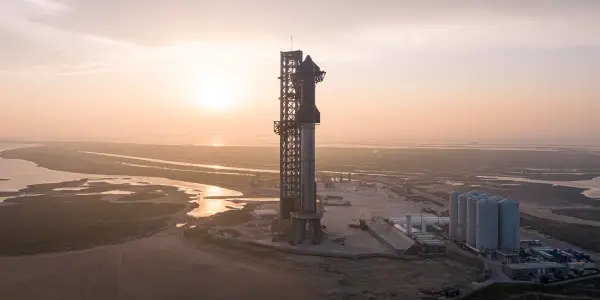
NASA's Artemis 3 Moon Mission Delayed to 2028 Due...
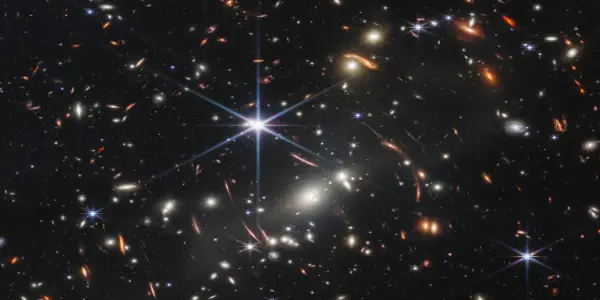
Ancient Galaxies: A Chaotic Early Universe...
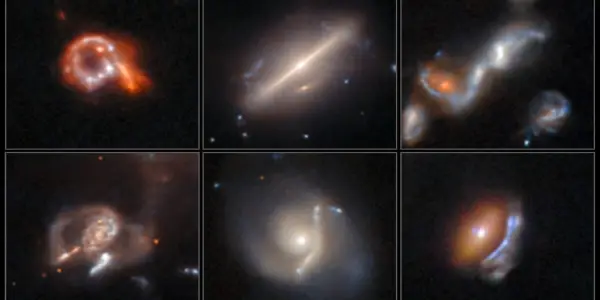
AI Reveals Over 800 New Cosmic Anomalies from...

Top Black Friday Smartwatch Deals Worth...
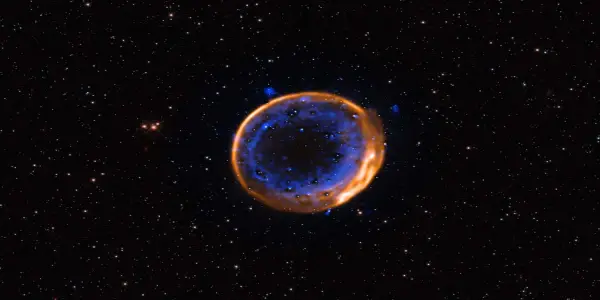
Highlights of 2025 in Space Exploration: From...
Samsung Galaxy S26 Expected to Feature Enhanced...
Potential Alien Disclosure May Trigger Bitcoin...
Young Canadian Astronomer Identifies Two...
James Webb Space Telescope May Have Detected the...
Daily Roundup: November 10, 2025 – Advancements...

Exploring the Composition of Cosmic Voids

Jeff Bezos's AI Hardware Venture Takes Aim at...

New Research Suggests Dark Matter Influences...

Jonathan Davies Urges England to Create New...
Potential Evidence of Dark Matter Emerges from...
Astronomers Uncover Evidence of Aging Stars...
Webb Telescope Reveals Unprecedented Cosmic...
Italian Producer Plans Historic Film to Shoot in...
Innovative Portable Reflecting Telescope...
Hawaiian Students Honor Gemini North Telescope's...
Assessing the Financial Impact of NASA's Apollo...
Astronauts aboard the ISS Capture Stunning Images...

X-Men Return to Education in Upcoming Comic...
New Mexico Startup Unveils Ambitious Plan to...

Astrophysicists Unveil Dark Universe Through...
Study Suggests the Universe's Expansion May Be...
Astrophotographer Captures Stunning Image of...