Exploring the Computers Behind the Voyager Space Program
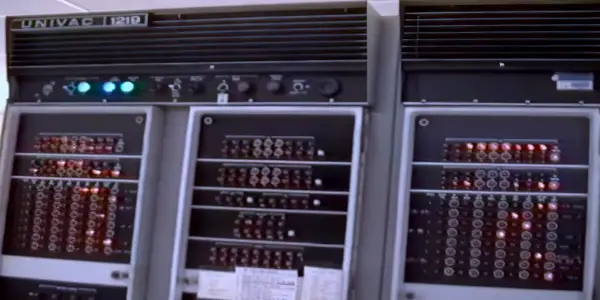
Discover the vintage computing technology that powered the Voyager program, showcasing the evolution of space exploration equipment.
In-depth analysis
New discoveries
Recent archival footage from NASA's Jet Propulsion Laboratory reveals the early computing technologies that supported the Voyager missions. The video showcases historic machines, including Univac and IBM computers, which, despite their limited capabilities, were crucial in navigating the spacecraft through the solar system, highlighting the ingenuity of early space exploration.
Mission updates
The Voyager program, launched in 1977, continues to send valuable data from interstellar space, marking a significant milestone in NASA's exploration of the outer planets.
Who is affected
The legacy of the Voyager missions impacts not only scientists and engineers working in space exploration but also educators and students interested in the history of technology and its evolution over the decades.
Next steps
As the field of space exploration advances, further studies will focus on integrating lessons learned from early computing systems into the development of next-generation spacecraft and technologies.
Did you know?
Why we should care
The Voyager program not only transformed our understanding of the solar system, but it also laid the groundwork for modern computing and engineering practices. Its reliance on early technology reminds us of the ingenuity that shaped our world. Every time we use a smartphone or connect to the internet, we benefit from the innovations that came from these early space missions, connecting us to the cosmos in ways we often take for granted.
The universe's unsolved mystery
Despite the Voyager spacecraft's impressive journey, questions about the universe persist. For instance, dark matter and dark energy remain elusive, influencing cosmic structures yet defying our understanding. As Voyager continues to send back data, it serves as a reminder that even as we explore the stars, the deeper mysteries of the universe still await unraveling.
The person who looks at the stars
Meet Clara, an aspiring astrophysicist who often gazes at the night sky from her backyard in a small town in New Mexico. Her fascination with the stars ignited when she learned about the Voyager missions in school. As she watches the twinkling lights above, she imagines the intricate dance of celestial bodies and dreams of contributing to future explorations. Clara finds inspiration in the stories of the engineers behind Voyager, who faced daunting challenges with creativity and resilience. Their legacy fuels her passion, pushing her to study hard and pursue a career in space science. For her, the stars are not just distant lights; they are a call to adventure and discovery, a reminder of the human spirit’s quest to explore the unknown.
Expert Commentary
New Mexico Startup Unveils Ambitious Plan to...
Astronomers Identify Three Earth-Sized Exoplanets...
NASA and European Partners Prepare for...
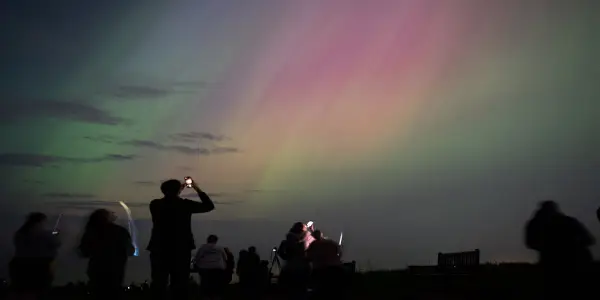
Intense Solar Storm May Illuminate Skies Across...
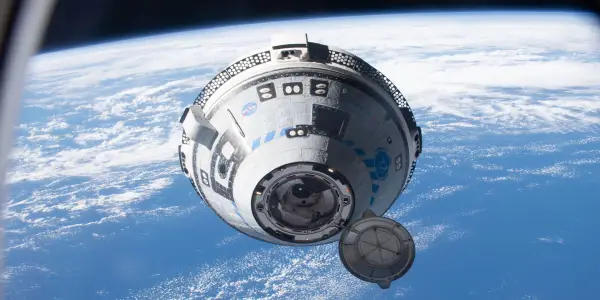
Boeing's Upcoming Starliner Mission Set for April...
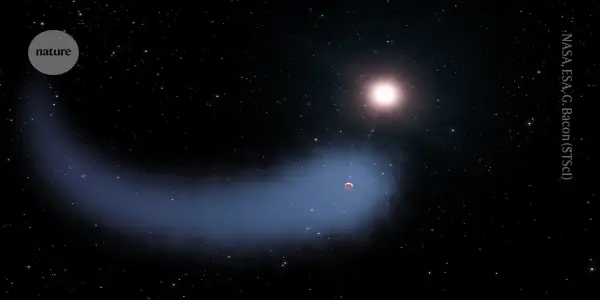
Collaboration Between Exoplanet Researchers and...
OnePlus 15 vs. Samsung Galaxy S25 Plus: A Clash...
Discovery of a Planet Formation Zone Beyond...
Unistellar eQuinox 2 Smart Telescope Sees...
Interstellar Comet 3I/ATLAS Approaches...
SpaceX Achieves 150th Falcon 9 Launch with...
Congress Questions NASA's Facility Closures Amid...
Meteorite Fragment May Have Impacted Houston Home

FULU Foundation Introduces Repair Bounty System...
Young Canadian Astronomer Identifies Two...
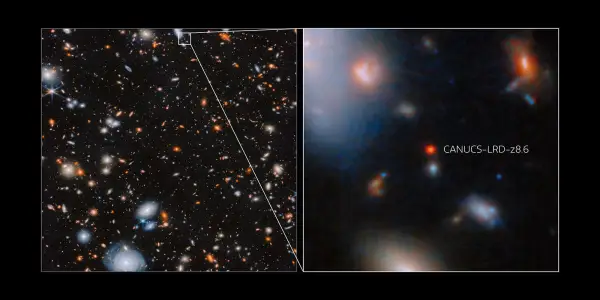
James Webb Telescope Identifies Rapidly Growing...

Samsung's Galaxy S26 Ultra Set for Significant...
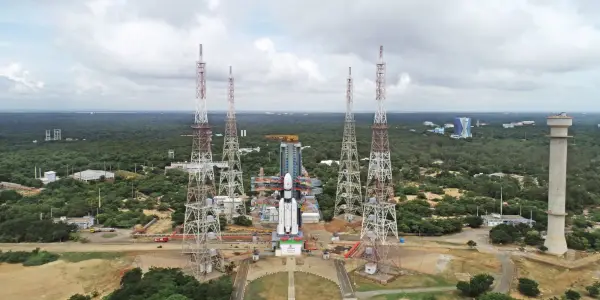
India Successfully Launches CMS-03 Military...
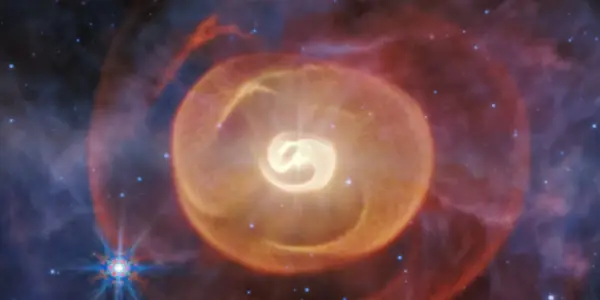
Webb Telescope Reveals Unprecedented Cosmic...
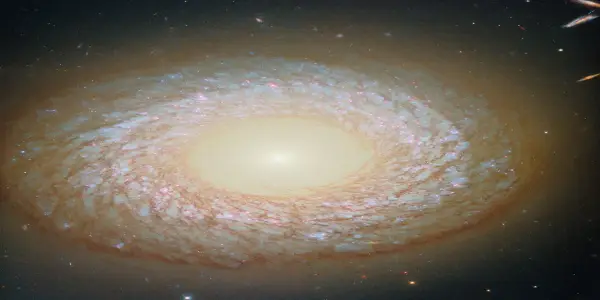
Hubble Telescope Unveils Enigmatic Galaxy NGC 2775
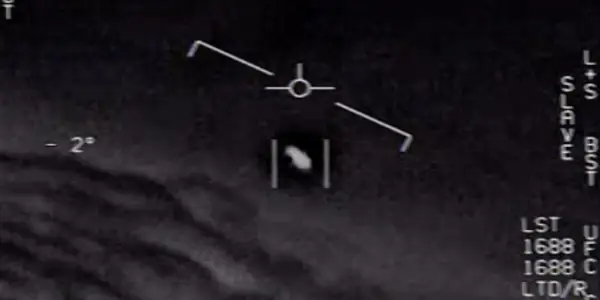
Potential Alien Disclosure May Trigger Bitcoin...
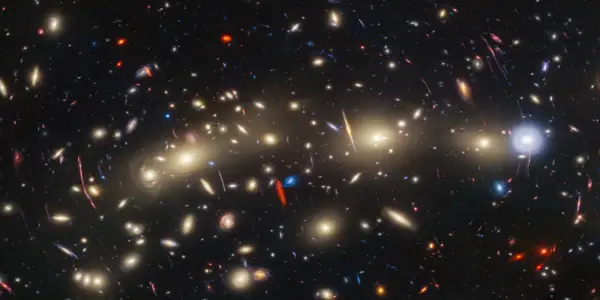
James Webb Space Telescope May Have Detected the...
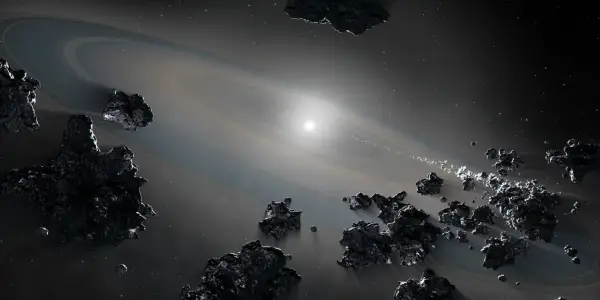
Astronomers Discover Ancient White Dwarf Actively...
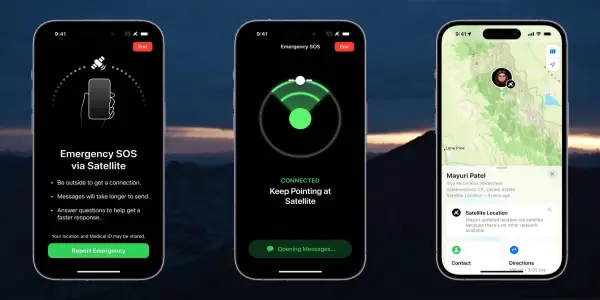
Apple Introduces Emergency SOS via Satellite in...
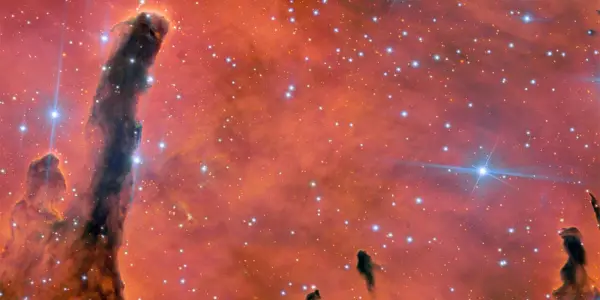
Hawaiian Students Honor Gemini North Telescope's...
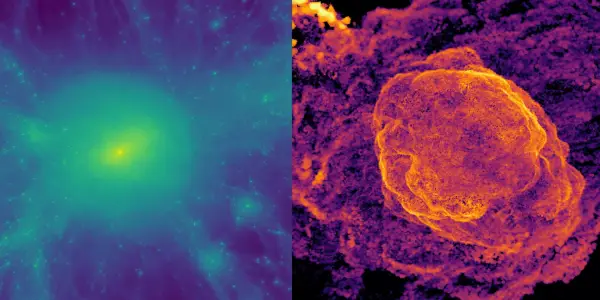
New Simulations Shed Light on the Enigmatic...
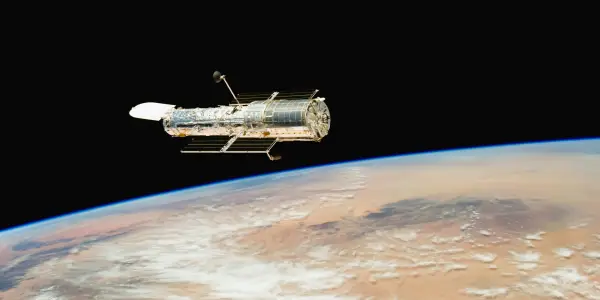
The Impact of Space Technology on Everyday Life
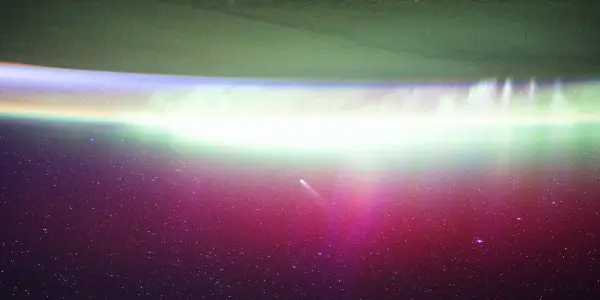
Astronauts aboard the ISS Capture Stunning Images...

Lenovo's Legion Tab Gen 3 Sees Significant Black...
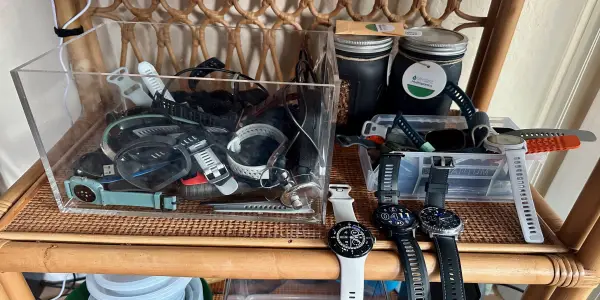
Top Black Friday Smartwatch Deals Worth...
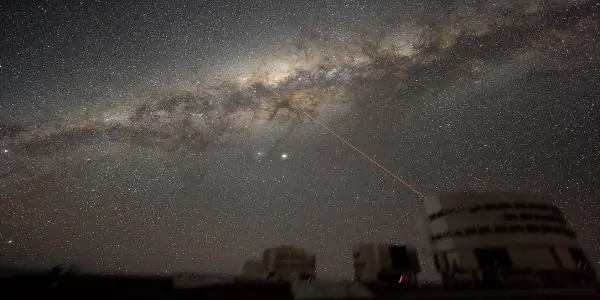
Breakthrough in Milky Way Simulation Using AI...
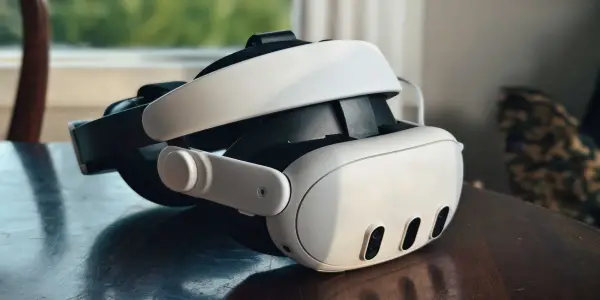
Exploring Alternatives to the Meta Quest 3 Elite...
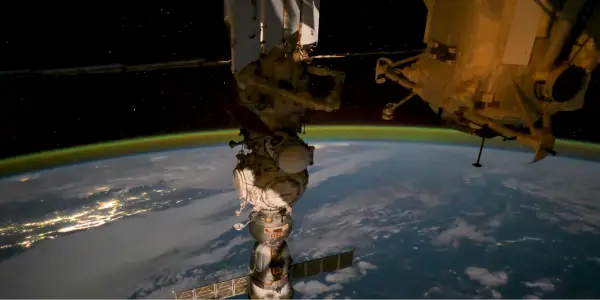
ISS Crew Takes Precautions Against Radiation...
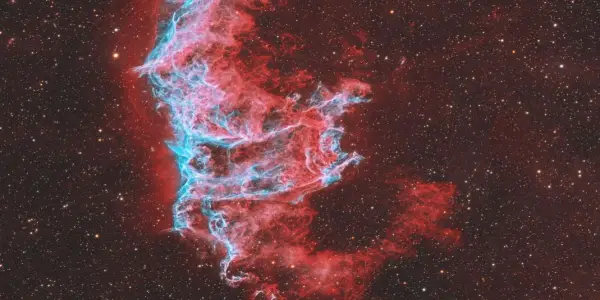
Astrophotographer Captures Stunning Image of...
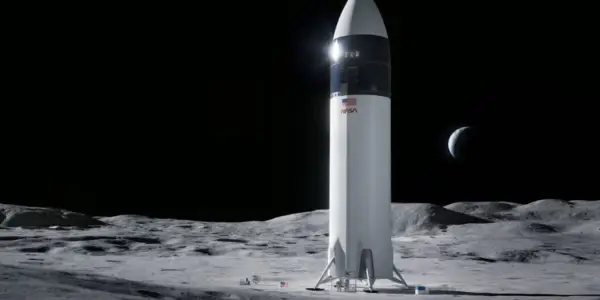
SpaceX Faces Challenges in Meeting NASA's 2027...
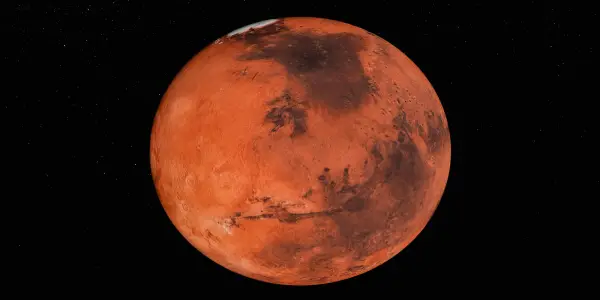
NASA's Ambitious Timeline for Human Exploration...
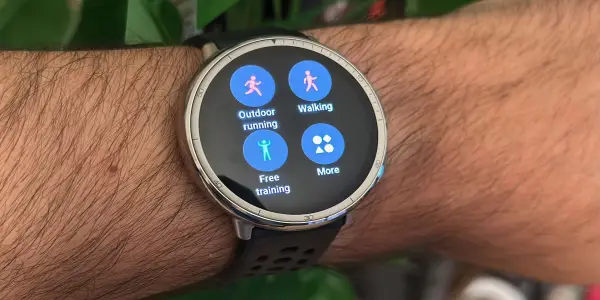
Affordable Fitness Tracking: The Amazfit Active 2...
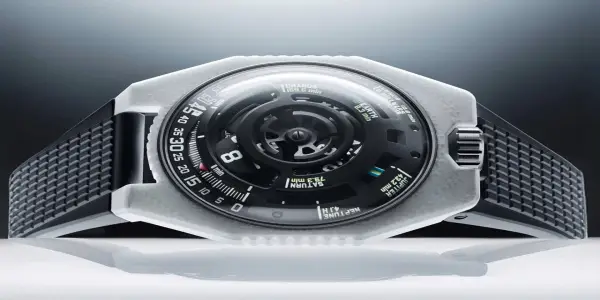
Urwerk Unveils Limited-Edition 100V 'LightSpeed'...

Jeff Bezos's AI Hardware Venture Takes Aim at...