Groundbreaking Dark Matter Map Offers Unprecedented Insight into the Universe
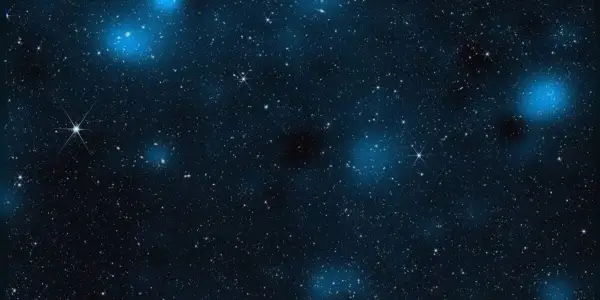
A new groundbreaking dark matter map reveals unprecedented insights into the universe, utilizing data from the James Webb Space Telescope to analyze galaxy d...
In-depth analysis
New discoveries
A groundbreaking map of dark matter has been created, showcasing intricate structures within the universe. This detailed visualization, derived from the James Webb Space Telescope's observations, reveals the distribution of dark matter and its influence on galaxy formation, offering fresh insights into cosmic evolution and the fundamental architecture of the universe.
Mission updates
The research team has successfully utilized the James Webb Space Telescope to achieve unprecedented angular resolution, significantly enhancing the precision of dark matter mapping. This advancement marks a notable improvement over previous observations made by the Hubble Space Telescope.
Who is affected
Astronomers and cosmologists are directly impacted by these findings, as they provide a deeper understanding of dark matter's role in the universe. Additionally, this research could influence future studies on galaxy formation and the fundamental laws of physics, affecting a wide range of scientific disciplines.
Next steps
Future projects aim to develop three-dimensional maps of the universe using advanced telescopes like NASA’s Nancy Grace Roman Space Telescope and ESA’s Euclid mission. These initiatives are expected to deepen our understanding of dark matter and its effects on cosmic structures.
Did you know?
Why we should care
Understanding dark matter isn't just an academic pursuit; it influences our grasp of the universe. Its presence affects everything from the formation of galaxies to the cosmic web that holds them together. As astronomers refine their maps, they inch closer to answering fundamental questions about our existence, which could reshape scientific education and inspire future generations of researchers.
The universe's unsolved mystery
Despite advancements in mapping dark matter, its true nature remains one of the universe's biggest enigmas. Could it be a new particle, or perhaps something entirely different? Each discovery raises more questions, challenging our understanding of physics and the fabric of reality. This ongoing mystery fuels the quest for knowledge, reminding humanity that there is still so much left to explore.
The person who looks at the stars
Meet 12-year-old Maya Torres, who gazes at the night sky from her small town in New Mexico. Inspired by stories of astronauts and the mysteries of the cosmos, she dreams of becoming an astrophysicist. When news broke about the new dark matter map, her excitement was palpable. 'It's like a treasure map of the universe,' she said, eyes wide with wonder. For Maya, these scientific breakthroughs are not just data; they symbolize hope and possibility. Each advancement fuels her curiosity, urging her to ask bigger questions about the stars and her place in the universe. As she watches the sky, Maya embodies the spirit of discovery, reminding us that today's research shapes the explorers of tomorrow.

SpaceX Faces Challenges in Meeting NASA's 2027...
Intense Solar Storms Could Ignite Life on...
Ancient Galaxies: A Chaotic Early Universe...
James Webb Telescope Identifies Rapidly Growing...

Astronomers Identify Three Earth-Sized Exoplanets...

European Space Agency Unveils Stunning Radar...

ISS Crew Takes Precautions Against Radiation...

NASA's Artemis 3 Moon Mission Delayed to 2028 Due...

Daily Roundup: November 10, 2025 – Advancements...
China's Mars Orbiter Captures Image of...

Satellite Imagery Reveals Extensive Damage Across...
Astrophotographer Captures Stunning Image of...
Highlights of 2025 in Space Exploration: From...
SpaceX Set to Launch NASA's Pandora Exoplanet...

Deep Fission Proposes Underground Nuclear...
Potential Alien Disclosure May Trigger Bitcoin...
Astronomers Discover Ancient White Dwarf Actively...
Webb Telescope Reveals Unprecedented Cosmic...

Enhance Your Weather Preparedness with Weather...
Euclid Space Telescope Discovers Hidden Stars in...
Italian Producer Plans Historic Film to Shoot in...
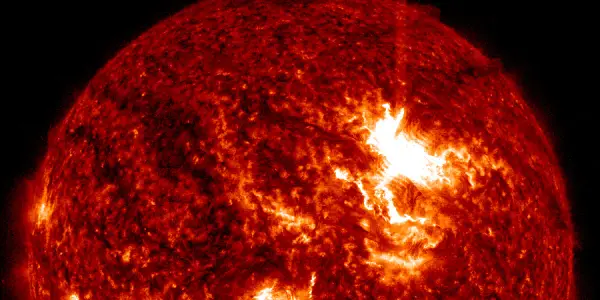
X5.1 Solar Flare Triggers G4 Geomagnetic Storm...
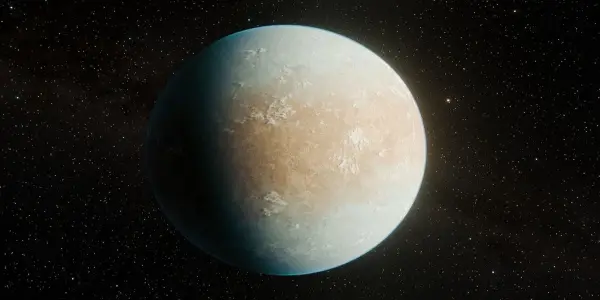
Astronomers Identify Potential Earth-Like...
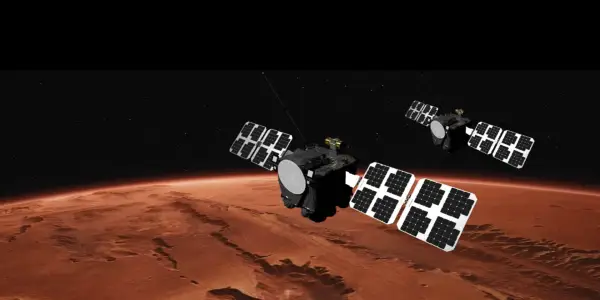
NASA's ESCAPADE Probes Set for Unique Journey to...
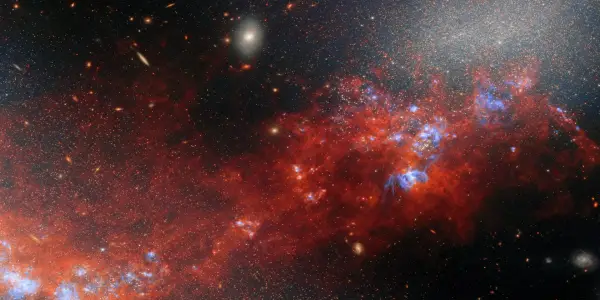
Astronomers Converge in Phoenix for AAS 247: A...
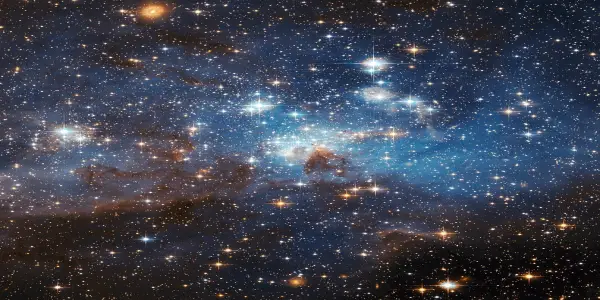
Mapping the Invisible: Astronomers Uncover Dark...

Unraveling the Mysteries of Mars: Recent...

NASA's X-59 Achieves Historic Supersonic Flight

FULU Foundation Introduces Repair Bounty System...
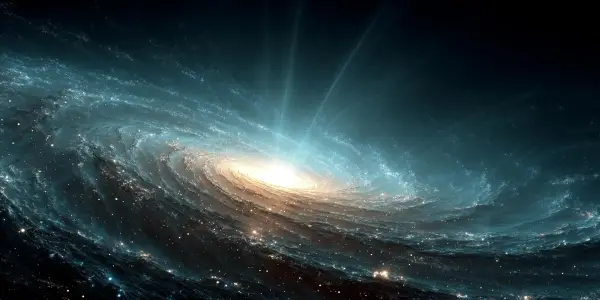
New Research Suggests Dark Matter Influences...
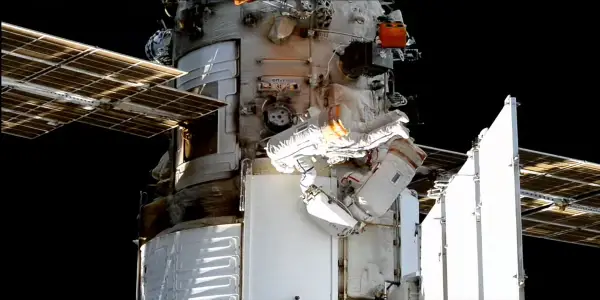
Russian Cosmonauts Conduct Extended Spacewalk to...

Childcare Crisis: Families Struggle as...

This Week In Space Podcast: Episode 187 Explores...

Samsung Unveils Unprecedented Black Friday Deal...
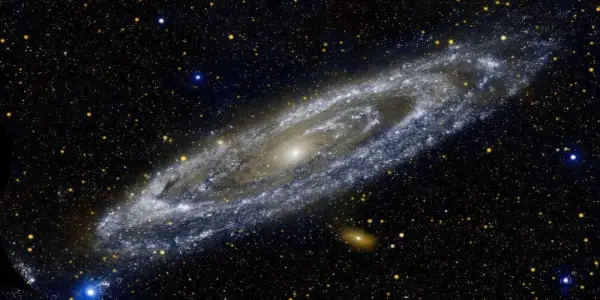
Andromeda Galaxy's Impact on Its Satellite...
Young Canadian Astronomer Identifies Two...
NASA and European Partners Prepare for...