X5.1 Solar Flare Triggers G4 Geomagnetic Storm Alert
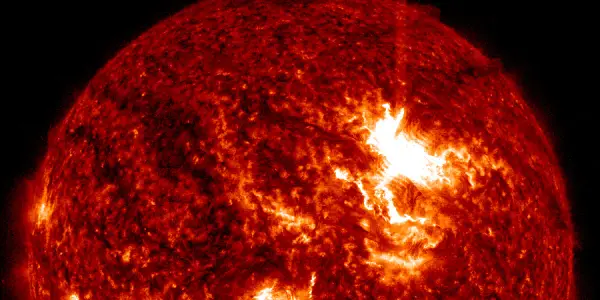
The sun has unleashed a powerful X5.1 solar flare, marking the most intense eruption from sunspot region 4274 since its emergence, and the sixth strongest of the current solar cycle.
In-depth analysis
New discoveries
The recent X5.1 solar flare from sunspot region 4274 has revealed critical insights into solar activity. Its intensity and prolonged duration have led to a significant coronal mass ejection, prompting researchers to examine the implications for geomagnetic storms. Historical patterns suggest that such events can disrupt technology on Earth, enhancing the urgency for further study.
Mission updates
The NOAA SWPC has issued a G4 geomagnetic storm watch in anticipation of the CME's arrival. The predicted impact is expected as early as Wednesday UTC, highlighting the need for real-time monitoring of solar activity.
Who is affected
The impending geomagnetic storm poses risks to satellite operations and power grids, impacting various sectors reliant on technology. Additionally, unusual auroral displays may be visible in regions typically not accustomed to such phenomena, including parts of Europe and the western United States.
Next steps
As the situation develops, ongoing monitoring of solar activity will be crucial. Further updates from NOAA will provide insights into the potential impacts of additional CMEs expected within the next week, ensuring preparedness for any disruptions.
Did you know?
Why we should care
The recent solar flare is more than a scientific curiosity; it highlights the vulnerability of our technology-dependent lives. A powerful geomagnetic storm could disrupt GPS navigation, internet connectivity, and even power supplies, affecting everything from daily commutes to emergency services. Awareness of these events empowers individuals and communities to prepare for potential disruptions and fosters a deeper appreciation for the intricate relationship between our planet and the sun.
The universe's unsolved mystery
Despite advancements in solar science, the exact mechanisms driving solar flares remain elusive. Understanding these phenomena can unlock insights into not only solar dynamics but also the fundamental processes governing stellar behavior across the galaxy. Each solar event serves as a reminder of the universe's complexity, urging scientists to unravel the mysteries hidden within our sun’s tempestuous activity.
The person who looks at the stars
Meet Elena, an amateur astronomer from Lyon, France, who feels a deep connection to the cosmos. Every night, she sets up her telescope in her backyard, often losing track of time as she gazes at the stars. The recent solar flare has her buzzing with excitement—this is a rare chance to witness auroras in her region. For Elena, these celestial events are more than mere visuals; they symbolize a shared human experience that transcends borders and cultures. She dreams of capturing the auroras on camera, wishing to share the beauty and wonder with her community, inspiring others to look up and connect with the universe. In her eyes, each flare is a reminder of the power and unpredictability of nature, igniting her passion to learn more about the forces that shape our sky.
James Webb Telescope Identifies Rapidly Growing...

This Week In Space Podcast: Episode 187 Explores...

Satellite Imagery Reveals Extensive Damage Across...
NASA's Campaign to Monitor Interstellar Comet...
India Successfully Launches CMS-03 Military...
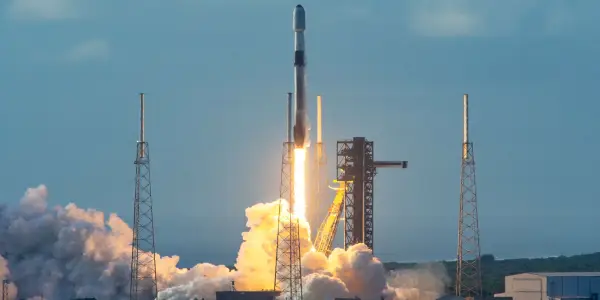
SpaceX Achieves Major Milestone with Launch of...
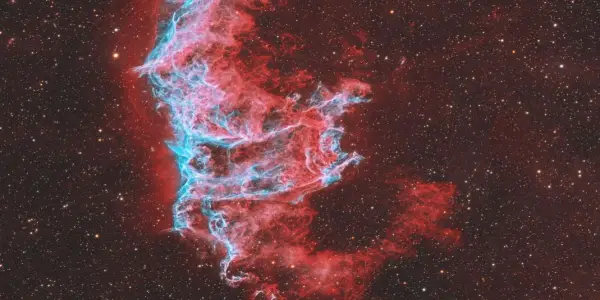
Astrophotographer Captures Stunning Image of...
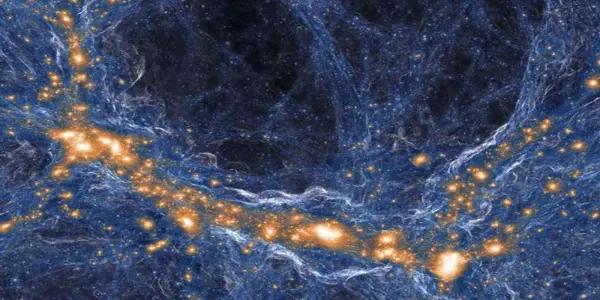
Exploring the Composition of Cosmic Voids

Innovative Portable Reflecting Telescope...
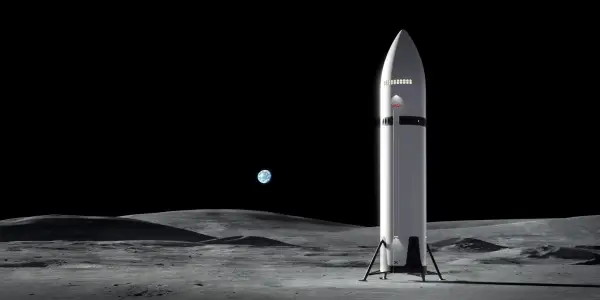
NASA Considers Reopening Bidding for Artemis 3...
NASA's Artemis 3 Moon Mission Delayed to 2028 Due...
NASA's ESCAPADE Probes Set for Unique Journey to...
Andromeda Galaxy's Impact on Its Satellite...

Samsung Unveils Unprecedented Black Friday Deal...
Fintech Founder Champions Innovation Through...
New Insights into Gamma Ray Emissions Could...
Astrophysicists Unveil Dark Universe Through...
The Impact of Space Technology on Everyday Life
Astronomers Converge in Phoenix for AAS 247: A...
Enhance Your Weather Preparedness with Weather...

Jonathan Davies Urges England to Create New...
Artemis 2 Astronauts Safely Return After Historic...
Astronomers Discover Ancient White Dwarf Actively...

OnePlus 15 vs. Samsung Galaxy S25 Plus: A Clash...
Mapping the Invisible: Astronomers Uncover Dark...
Hawaiian Students Honor Gemini North Telescope's...

Childcare Crisis: Families Struggle as...
Intense Solar Storms Could Ignite Life on...
Astronomers Uncover Evidence of Aging Stars...
James Webb Space Telescope May Have Detected the...
Jupiter's Moons Io and Europa to Cast Shadows...
Euclid Space Telescope Discovers Hidden Stars in...
Rogue Moons: A New Frontier for Life Beyond Stars
Unraveling the Mysteries of Mars: Recent...
China's Mars Orbiter Captures Image of...
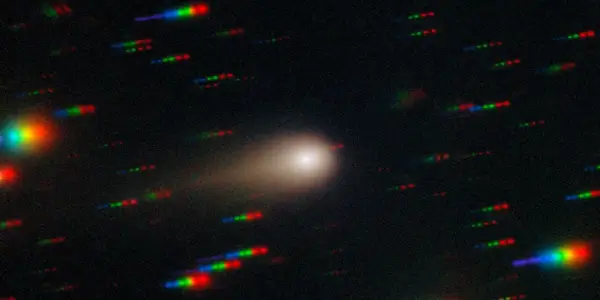
Interstellar Comet 3I/ATLAS Approaches...
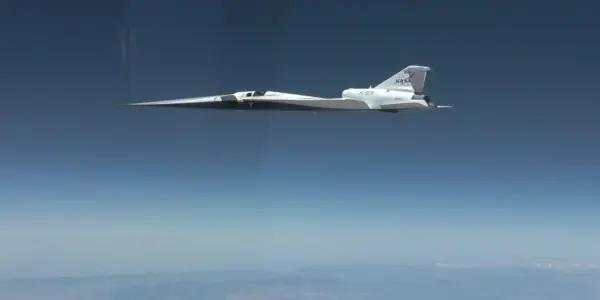
NASA's X-59 Achieves Historic Supersonic Flight
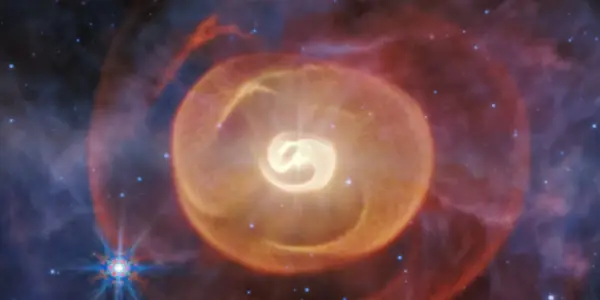
Webb Telescope Reveals Unprecedented Cosmic...
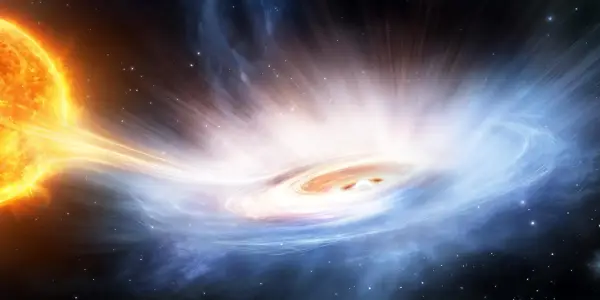
Unusual Wind from Neutron Star Challenges Space...
Young Canadian Astronomer Identifies Two...