NASA's X-59 Achieves Historic Supersonic Flight
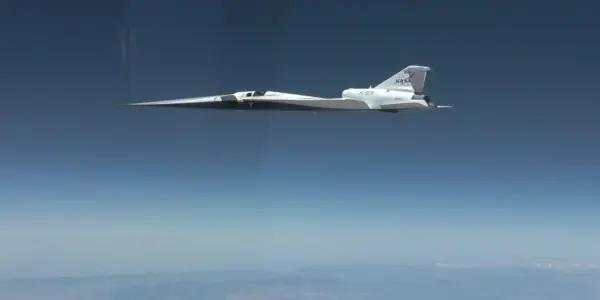
NASA's X-59 experimental aircraft successfully reached supersonic speeds, paving the way for quieter air travel without sonic booms.
In-depth analysis
New discoveries
NASA's X-59 experimental aircraft has achieved a historic milestone by reaching supersonic flight, peaking at 1,000 miles per hour. This breakthrough is pivotal for developing technologies that enable faster-than-sound travel while significantly reducing disruptive sonic booms, potentially transforming the future of aviation and addressing long-standing challenges associated with supersonic travel.
Mission updates
The X-59's recent test flight from Edwards Air Force Base lasted approximately 90 minutes, marking a significant achievement in its testing program. Piloted by Jim Less, this flight is a key milestone in the aircraft's development.
Who is affected
The successful development of the X-59 could impact various stakeholders, including airlines, passengers, and communities near flight paths. If implemented, supersonic travel may offer faster global connectivity while addressing concerns about noise pollution, reshaping public perception and regulatory frameworks.
Next steps
Future flights of the X-59 will focus on measuring noise levels during supersonic travel over populated areas. This data will be essential for evaluating community responses and determining if the aircraft meets noise regulations.
Did you know?
Why we should care
The successful flight of the X-59 marks a pivotal moment for air travel, potentially slashing transcontinental journey times. Imagine a business trip to Europe taking just a few hours instead of half a day, or families reuniting across oceans in record time. The implications extend to economic growth, as faster travel could boost tourism and trade, impacting our daily lives in tangible ways.
The universe's unsolved mystery
While the X-59’s achievement brings us closer to practical supersonic travel, it also raises questions about the limits of speed in aviation. What happens when we push beyond supersonic into hypersonic speeds? The answers could redefine human mobility and challenge our understanding of aerodynamics, safety, and environmental impact.
The person who looks at the stars
For Mia Rivera, a 12-year-old aspiring astronaut, the X-59's success is a beacon of hope. Every night, she gazes at the stars, dreaming of the day she can explore the cosmos. Mia remembers her mother's tales of the Concorde and how it sparked her love for flight. With the X-59 paving the way for a new era of aviation, Mia feels inspired that her dreams of fast travel and exploration might soon become reality. She imagines boarding a supersonic jet, feeling the thrill of speed, and knowing the sky is no longer the limit.
Expert Commentary
Andromeda Galaxy's Impact on Its Satellite...
Fintech Founder Champions Innovation Through...
Unistellar eQuinox 2 Smart Telescope Sees...

James Webb Space Telescope Captures Stunning...

Deep Fission Proposes Underground Nuclear...

Samsung Unveils Unprecedented Black Friday Deal...

Ancient Earth Chemistry Discovered Beneath Modern...
Breakthrough in Milky Way Simulation Using AI...

NASA's Ambitious Timeline for Human Exploration...

Discovery of a Planet Formation Zone Beyond...
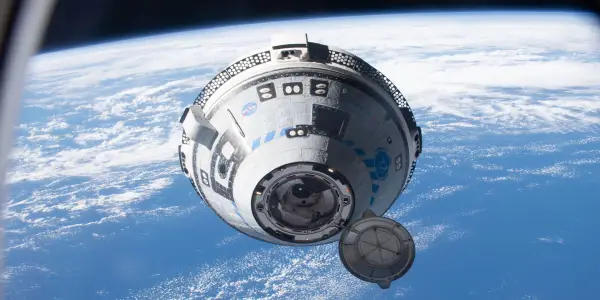
Boeing's Upcoming Starliner Mission Set for April...

Hubble Telescope Unveils Enigmatic Galaxy NGC 2775

The Dwarf III Smart Telescope: A Compact Marvel...
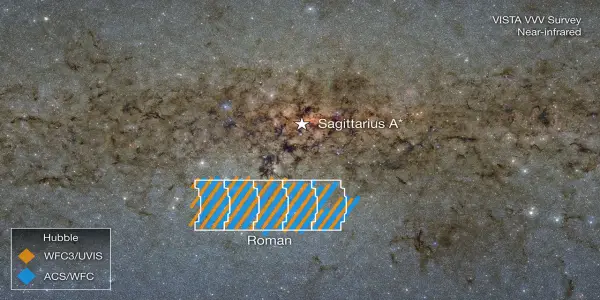

Daily Roundup: November 10, 2025 – Advancements...
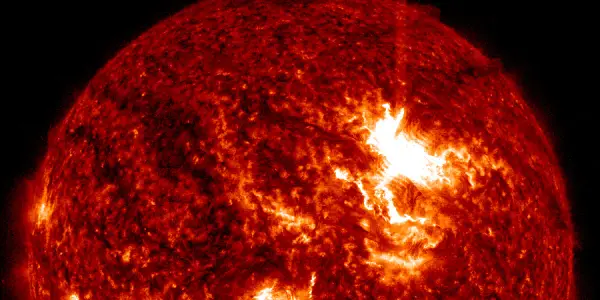
X5.1 Solar Flare Triggers G4 Geomagnetic Storm...
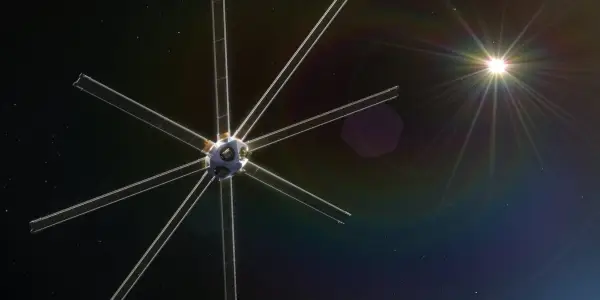
New Mexico Startup Unveils Ambitious Plan to...
Study Suggests the Universe's Expansion May Be...
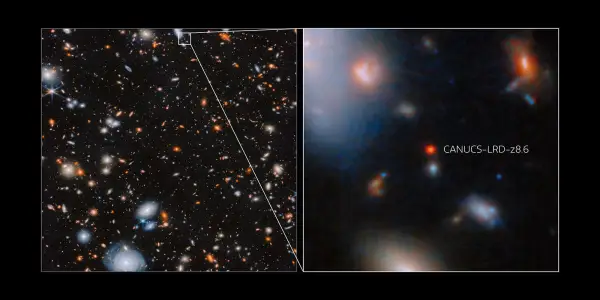
James Webb Telescope Identifies Rapidly Growing...

Astronomers Uncover Evidence of Aging Stars...
SpaceX Achieves 150th Falcon 9 Launch with...

Webb Telescope Reveals Unprecedented Cosmic...
Euclid Space Telescope Discovers Hidden Stars in...
Hawaiian Students Honor Gemini North Telescope's...

Enhance Your Weather Preparedness with Weather...
Apple Introduces Emergency SOS via Satellite in...
NASA Considers Reopening Bidding for Artemis 3...

Astronomers Converge in Phoenix for AAS 247: A...
Innovative Portable Reflecting Telescope...

Exploring the Best Online Resources for Stunning...

Intense Solar Storm May Illuminate Skies Across...

X-Men Return to Education in Upcoming Comic...
Assessing the Financial Impact of NASA's Apollo...
Collaboration Between Exoplanet Researchers and...
NASA's Artemis 3 Moon Mission Delayed to 2028 Due...

Childcare Crisis: Families Struggle as...
India Successfully Launches CMS-03 Military...

Astronomers Capture Unprecedented Black Hole...
Young Canadian Astronomer Identifies Two...
China's Mars Orbiter Captures Image of...