Artemis II: A Testament to Global Collaboration in Space Exploration
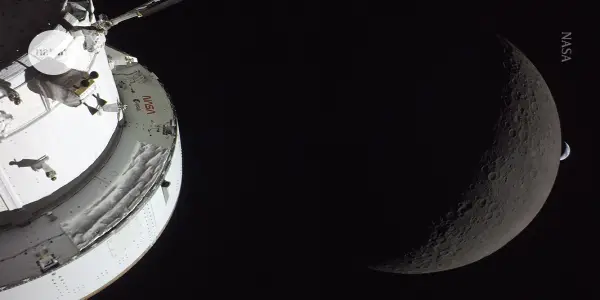
NASA's Artemis II mission exemplifies international cooperation in space, inspiring future generations while highlighting the need for shared human efforts.
In-depth analysis
New discoveries
The Artemis II mission has reignited interest in lunar exploration, marking the first human journey to the Moon in over fifty years. This unprecedented flyby not only captivated the public but also highlighted the potential for international collaboration in space, showcasing how shared goals can drive advancements in exploration and scientific discovery.
Mission updates
Following the successful completion of the lunar flyby, the Artemis II crew returned to Earth on April 3, 2024. The mission demonstrated the operational capabilities of NASA's Orion spacecraft and the effectiveness of international partnerships in space exploration.
Who is affected
The Artemis II mission impacts a broad audience, including space agencies, scientists, and the general public. It fosters a renewed interest in space exploration, while also raising concerns among critics regarding the allocation of funding towards pressing global issues like climate change and environmental research.
Next steps
Looking ahead, NASA aims to build on the success of Artemis II by continuing to develop its lunar exploration program. Emphasis will be placed on ensuring that future missions prioritize both scientific research and international cooperation in space.
Did you know?
Why we should care
The Artemis II mission signals a turning point in global collaboration and technological advancement, reminding us that space exploration can unite nations and inspire generations. With pressing challenges on Earth, such as climate change, the mission's success may foster a renewed commitment to scientific research and international partnerships. Everyday lives could benefit from advancements in technology and innovation born from this collective effort.
The universe's unsolved mystery
As Artemis II pushes boundaries, it reignites curiosity about the Moon's hidden secrets. What resources lie beneath its surface? Could lunar exploration unlock sustainable solutions for Earth's dwindling resources? The moon serves not just as a destination but as a critical stepping stone for humanity's deeper journey into space, where answers to our universe's mysteries await.
The person who looks at the stars
Meet Sarah, a 12-year-old aspiring astronaut from a small town in Ohio. After watching the Artemis II mission unfold on her family's television, she felt a spark ignite within her. Inspired by the astronauts' message of unity, Sarah now dreams of becoming a scientist who explores the cosmos. She spends her evenings gazing at the stars, imagining the possibilities beyond Earth. Sarah's journey reflects the mission's broader impact: igniting passion and curiosity in the next generation, reminding everyone that the stars are not just distant objects but attainable goals waiting to be reached.
Expert Commentary
X5.1 Solar Flare Triggers G4 Geomagnetic Storm...
SpaceX Achieves 150th Falcon 9 Launch with...
Astronomers Identify Potential Earth-Like...

Daily Roundup: November 10, 2025 – Advancements...

NASA's X-59 Achieves Historic Supersonic Flight
The Dwarf III Smart Telescope: A Compact Marvel...
SpaceX Faces Challenges in Meeting NASA's 2027...

Astrophysicists Unveil Dark Universe Through...
Unraveling the Mysteries of Mars: Recent...
Exploring Oregon's Premier Public Telescope...

China's Mars Orbiter Captures Image of...
Charlotte: The Lunar 3D Printer Poised to...
The Impact of Space Technology on Everyday Life
Hawaiian Students Honor Gemini North Telescope's...
Study Suggests the Universe's Expansion May Be...

Samsung Galaxy S26 Expected to Feature Enhanced...

X-Men Return to Education in Upcoming Comic...

Exploring Alternatives to the Meta Quest 3 Elite...
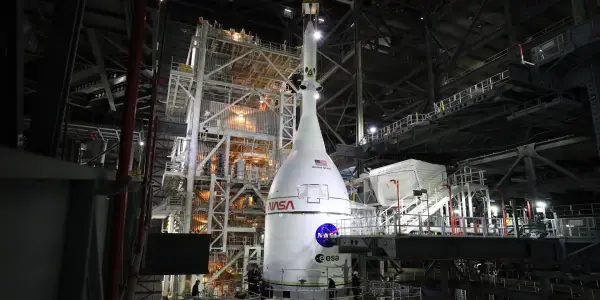
NASA Advances Artemis 2 Mission with Orion...
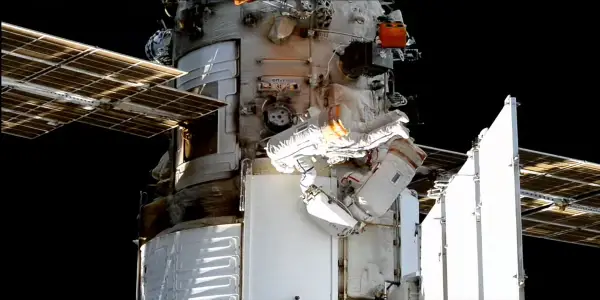
Russian Cosmonauts Conduct Extended Spacewalk to...

OnePlus 15 vs. Samsung Galaxy S25 Plus: A Clash...

James Webb Space Telescope Discovers Ancient...
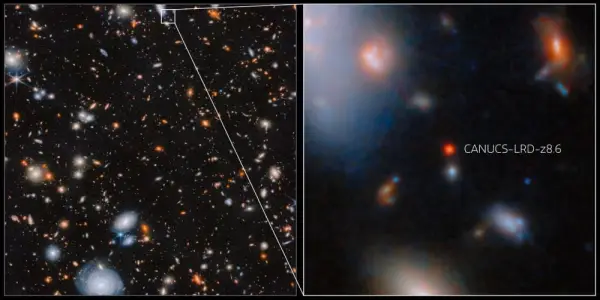
James Webb Space Telescope Sheds Light on Early...
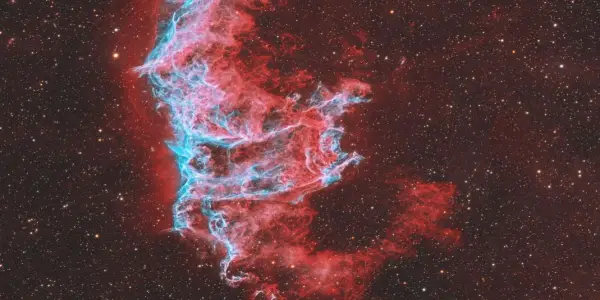
Astrophotographer Captures Stunning Image of...
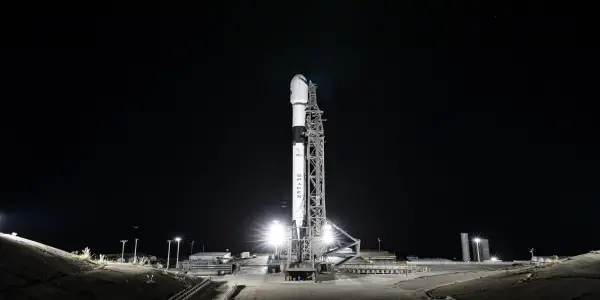
NASA and European Partners Prepare for...
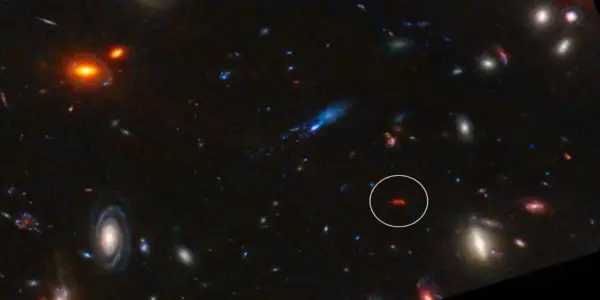
Astronomers Uncover a Rapid Star-Forming Galaxy...

Urwerk Unveils Limited-Edition 100V 'LightSpeed'...

Samsung Unveils Unprecedented Black Friday Deal...

Childcare Crisis: Families Struggle as...
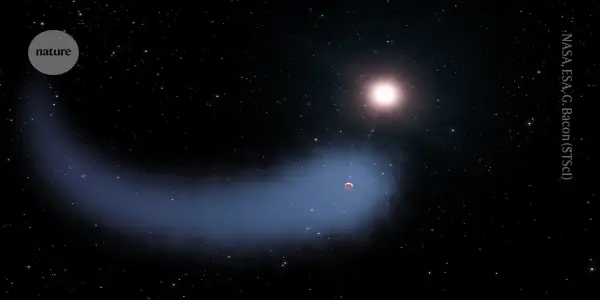
Collaboration Between Exoplanet Researchers and...
Young Canadian Astronomer Identifies Two...
The Pleiades Star Cluster Reveals Its Extensive...
James Webb Telescope Identifies Rapidly Growing...

Jeff Bezos's AI Hardware Venture Takes Aim at...

Satellite Imagery Reveals Extensive Damage Across...

Meteorite Fragment May Have Impacted Houston Home
Assessing the Financial Impact of NASA's Apollo...
Interstellar Comet 3I/ATLAS Approaches...