China's Chang'e-7 Mission Set to Search for Water at Lunar South Pole
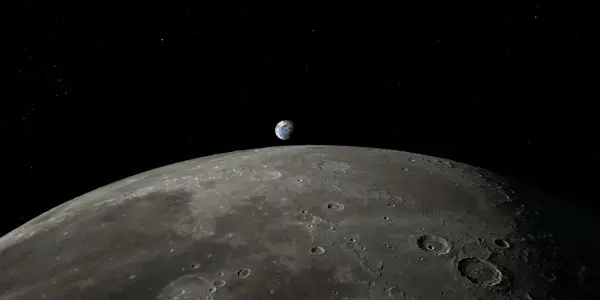
China's upcoming Chang'e-7 mission aims to identify water sources at the lunar south pole, enhancing future space exploration efforts.
In-depth analysis
New discoveries
The Chang'e-7 mission aims to uncover water ice at the moon's south pole, building on previous findings by NASA's Lunar Reconnaissance Orbiter and LCROSS. These discoveries have underscored the moon's potential as a resource hub, crucial for future human activities in space and supporting long-term lunar habitation.
Mission updates
The Chang'e-7 mission is set to launch soon, targeting the Shackleton Crater for its water ice exploration. Official confirmation of the landing site is still awaited as preparations continue.
Who is affected
The mission impacts not only China's space ambitions but also international lunar exploration efforts. As agencies like NASA develop lunar bases, access to water resources will be essential for sustaining human life and enabling scientific research on the moon.
Next steps
Following the mission's launch, the focus will shift to achieving accurate landing capabilities and conducting extensive geological studies. These steps are vital for understanding the moon's resources and supporting future human presence.
Did you know?
Why we should care
The search for water on the moon isn't just about exploring uncharted territory; it has profound implications for our future. If Chang'e-7 successfully finds water ice, it could pave the way for sustainable human presence in space. This means astronauts might one day live and work on the moon, using local resources instead of relying solely on Earth for supplies, fundamentally changing our approach to space travel.
The universe's unsolved mystery
Despite advances in our understanding of the moon, the presence of water ice remains enigmatic. It raises questions about the moon's formation and evolution. Why is water trapped in shadowed craters? Understanding these mysteries could unlock secrets about the solar system's history and inform our search for life beyond Earth, making lunar exploration a key to cosmic understanding.
The person who looks at the stars
Meet Elena Zhao, a high school science teacher in Beijing who inspires her students with tales of space exploration. Every night, she takes her telescope to the rooftop, hoping to catch a glimpse of the moon. For Elena, the Chang'e-7 mission is a beacon of possibility. She sees it as a chance for her students to dream beyond the confines of Earth. 'Imagine living on the moon,' she tells them, 'where water is not just a resource but a lifeline for humanity’s future.' This mission ignites a passion in her students, reminding them that their aspirations can reach as high as the stars.
Expert Commentary
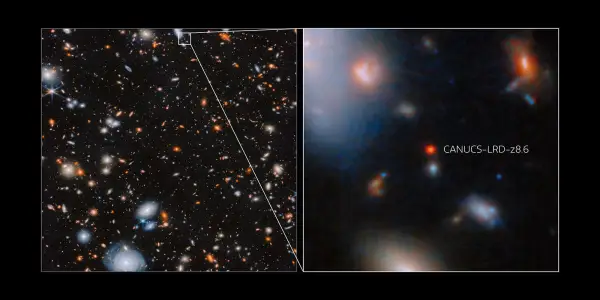
James Webb Telescope Identifies Rapidly Growing...
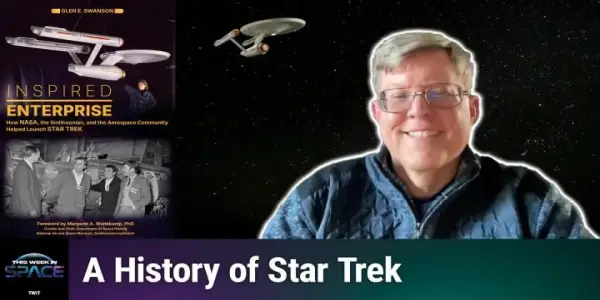
This Week In Space Podcast: Episode 187 Explores...
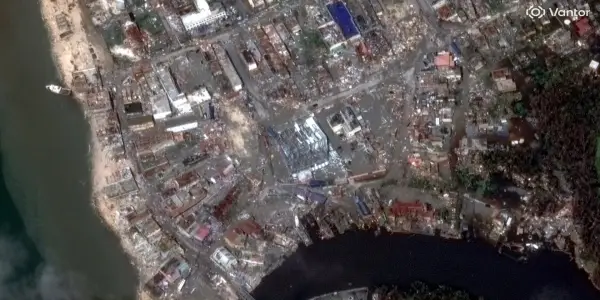
Satellite Imagery Reveals Extensive Damage Across...
NASA's Campaign to Monitor Interstellar Comet...
India Successfully Launches CMS-03 Military...
SpaceX Achieves Major Milestone with Launch of...
Astrophotographer Captures Stunning Image of...
Exploring the Composition of Cosmic Voids

Innovative Portable Reflecting Telescope...
NASA Considers Reopening Bidding for Artemis 3...
NASA's Artemis 3 Moon Mission Delayed to 2028 Due...
NASA's ESCAPADE Probes Set for Unique Journey to...
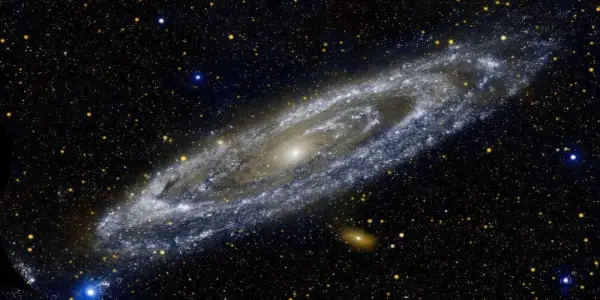
Andromeda Galaxy's Impact on Its Satellite...

Samsung Unveils Unprecedented Black Friday Deal...
Fintech Founder Champions Innovation Through...
New Insights into Gamma Ray Emissions Could...
Astrophysicists Unveil Dark Universe Through...
The Impact of Space Technology on Everyday Life
Astronomers Converge in Phoenix for AAS 247: A...
Enhance Your Weather Preparedness with Weather...

Jonathan Davies Urges England to Create New...
Artemis 2 Astronauts Safely Return After Historic...
Astronomers Discover Ancient White Dwarf Actively...

OnePlus 15 vs. Samsung Galaxy S25 Plus: A Clash...
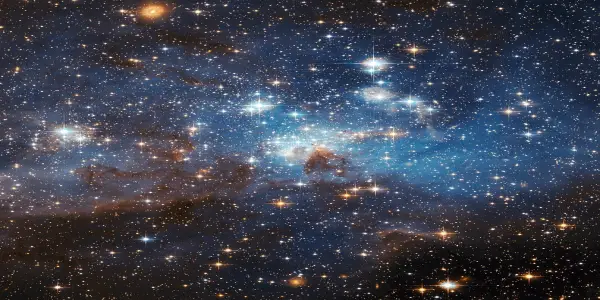
Mapping the Invisible: Astronomers Uncover Dark...
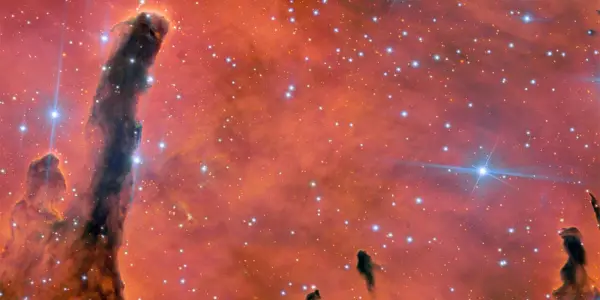
Hawaiian Students Honor Gemini North Telescope's...

Childcare Crisis: Families Struggle as...
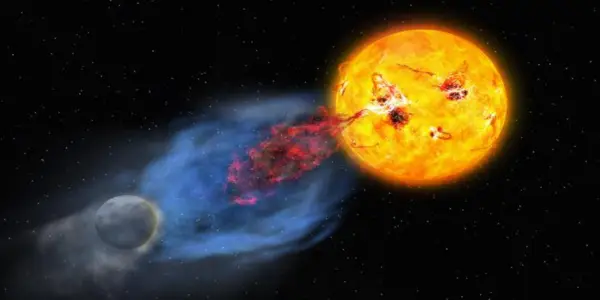
Intense Solar Storms Could Ignite Life on...
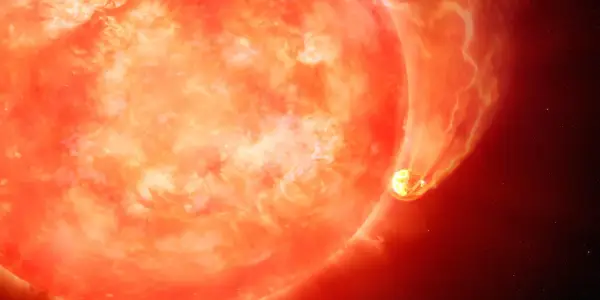
Astronomers Uncover Evidence of Aging Stars...
James Webb Space Telescope May Have Detected the...
Jupiter's Moons Io and Europa to Cast Shadows...
Euclid Space Telescope Discovers Hidden Stars in...
Rogue Moons: A New Frontier for Life Beyond Stars
Unraveling the Mysteries of Mars: Recent...
China's Mars Orbiter Captures Image of...
Interstellar Comet 3I/ATLAS Approaches...
NASA's X-59 Achieves Historic Supersonic Flight
Webb Telescope Reveals Unprecedented Cosmic...
Unusual Wind from Neutron Star Challenges Space...
Young Canadian Astronomer Identifies Two...