Exploring the Composition of Cosmic Voids
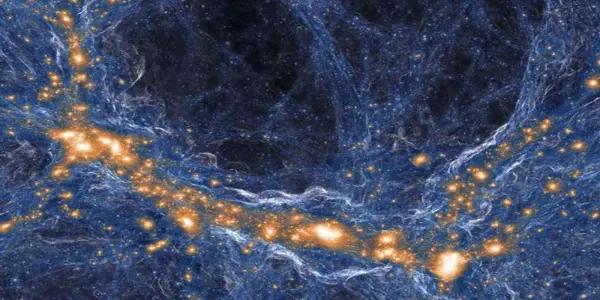
Discover how new astronomical tools are revealing the hidden structures within cosmic voids, challenging old beliefs about these vast, empty regions of the u...
In-depth analysis
New discoveries
Recent studies have unveiled that cosmic voids, previously deemed empty, contain faint structures such as dim dwarf galaxies and tenuous gas filaments. This revelation indicates that even in these vast expanses, remnants of cosmic activity persist, challenging earlier notions of complete emptiness and shedding light on the intricate architecture of the universe.
Mission updates
The ongoing research into cosmic voids has been bolstered by advanced astronomical instruments, enabling scientists to gather more precise data and refine their understanding of these enigmatic regions.
Who is affected
The findings about cosmic voids impact astrophysicists and cosmologists, as they reshape theories regarding the universe's structure and evolution. Additionally, the implications for understanding potential life in such environments could influence future explorations in astrobiology.
Next steps
Future research will focus on utilizing advanced simulations and observational data to further investigate the properties of cosmic voids, aiming to unravel their complexities and enhance our understanding of the universe's formation and evolution.
Did you know?
Why we should care
Understanding cosmic voids reshapes our grasp of the universe and our place within it. These vast, sparse regions may seem irrelevant, but they inform us about the origins and evolution of matter and galaxies. As we confront existential questions about life in extreme environments, insights gleaned from these voids could influence perspectives on our own planet's fragility and the potential for life elsewhere.
The universe's unsolved mystery
The nature of cosmic voids continues to perplex scientists. Despite advanced simulations and observations, the exact role these voids play in the universe's evolution remains elusive. Unraveling this mystery could redefine our understanding of dark matter, galaxy formation, and the very fabric of space-time, revealing complexities that challenge our current cosmological models.
The person who looks at the stars
Meet Clara, a 32-year-old astrophysicist who grew up gazing at the night sky from her small-town backyard. The endless stretch of stars inspired her passion for unraveling cosmic mysteries. As she studies cosmic voids, Clara often reflects on their implications for life. Her research leads her to ponder whether intelligent beings could exist in such desolation, isolated from the vibrant galaxies surrounding them. Clara's work embodies a quest not only for knowledge but also for understanding the profound connections between existence and the universe's vast emptiness. Through her eyes, the voids become more than just empty spaces; they are a canvas for life's potential and a reminder of our own cosmic fragility.
James Webb Space Telescope Captures Stunning...
SpaceX Faces Challenges in Meeting NASA's 2027...
Portal Systems Aims to Revolutionize Spacecraft...
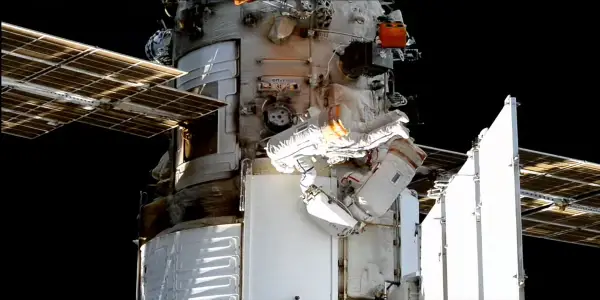
Russian Cosmonauts Conduct Extended Spacewalk to...

Samsung's Galaxy S26 Ultra Set for Significant...

Jonathan Davies Urges England to Create New...
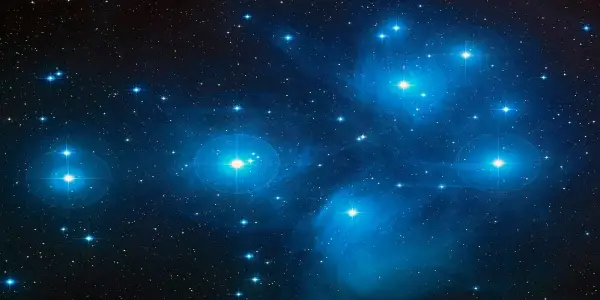
The Pleiades Star Cluster Reveals Its Extensive...
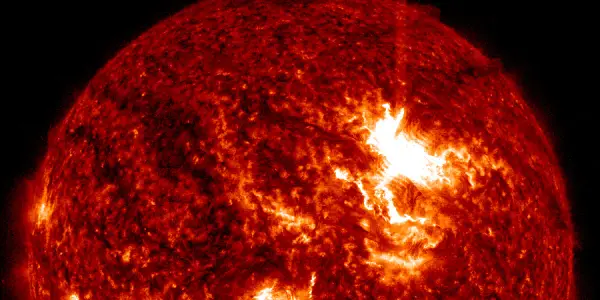
X5.1 Solar Flare Triggers G4 Geomagnetic Storm...

Jeff Bezos's AI Hardware Venture Takes Aim at...
Exploring the Composition of Cosmic Voids
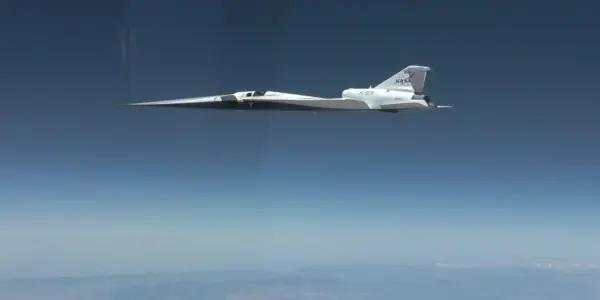
NASA's X-59 Achieves Historic Supersonic Flight
NASA's Ambitious Timeline for Human Exploration...

Childcare Crisis: Families Struggle as...
Potential Evidence of Dark Matter Emerges from...
Collaboration Between Exoplanet Researchers and...
Astronomers Identify Three Earth-Sized Exoplanets...
China's Mars Orbiter Captures Image of...
Astronomers Uncover a Rapid Star-Forming Galaxy...

Satellite Imagery Highlights Hurricane Damage...
James Webb Telescope Identifies Rapidly Growing...
European Space Agency Unveils Stunning Radar...
Assessing the Financial Impact of NASA's Apollo...

Astronauts aboard the ISS Capture Stunning Images...
The Impact of Space Technology on Everyday Life
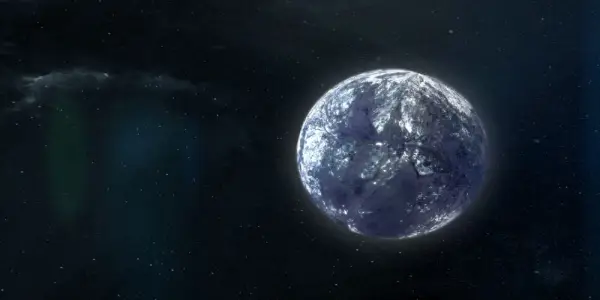
Rogue Moons: A New Frontier for Life Beyond Stars
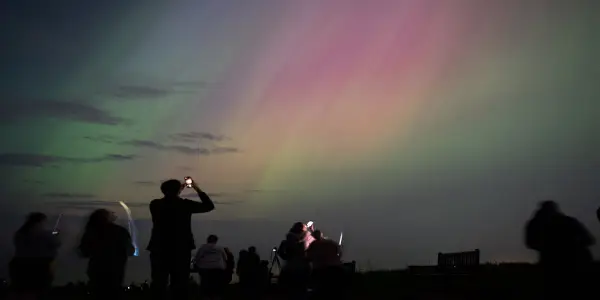
Intense Solar Storm May Illuminate Skies Across...
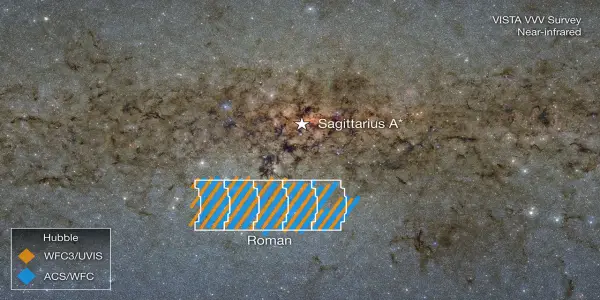
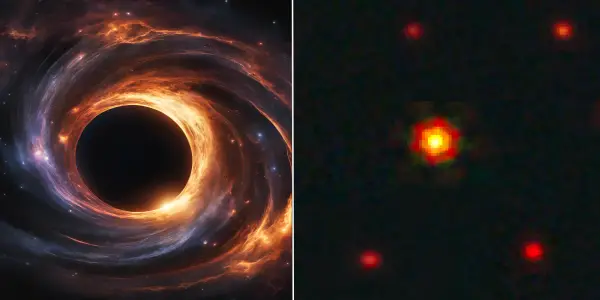
James Webb Space Telescope Discovers Ancient...

Apple Introduces Emergency SOS via Satellite in...
Boeing's Upcoming Starliner Mission Set for April...

Samsung Unveils Unprecedented Black Friday Deal...
Astronomers Uncover Evidence of Aging Stars...
Innovative Portable Reflecting Telescope...
Ancient Galaxies: A Chaotic Early Universe...
NASA's Campaign to Monitor Interstellar Comet...
Study Suggests the Universe's Expansion May Be...
Astrophotographer Captures Stunning Image of...
India Successfully Launches CMS-03 Military...