NASA Weighs Options for Extending Hubble's Mission Amid Rising Costs
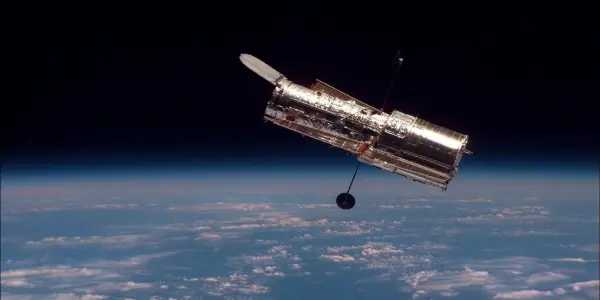
NASA is exploring ways to prolong the Hubble Space Telescope's mission by reducing operational expenses and potentially boosting its orbit.
In-depth analysis
New discoveries
NASA's ongoing evaluation of extending the Hubble Space Telescope's operational life underscores its pivotal role in astronomical research. Recent advancements in technology and reduced operational costs could enable Hubble to continue yielding groundbreaking discoveries about the universe, enhancing our understanding of cosmic phenomena and solidifying its legacy as a vital scientific instrument.
Mission updates
NASA is actively preparing a rescue mission for the Neil Gehrels Swift Observatory, which faces risks from declining altitude. An Arizona-based startup has been contracted to develop a spacecraft aimed at boosting Swift's orbit, ensuring its continued functionality.
Who is affected
The scientific community stands to benefit significantly from the potential extension of Hubble's mission, as it continues to provide vital insights into cosmic phenomena. Additionally, researchers relying on the Swift Observatory's data will be impacted by its planned reboost, ensuring ongoing access to critical observations.
Next steps
NASA will conduct a feasibility study to assess the potential for raising Hubble's orbit. This evaluation will determine the viability of extending its operational life, alongside the ongoing mission for the Swift Observatory.
Did you know?
Why we should care
The fate of the Hubble Space Telescope and the Swift Observatory directly impacts our understanding of the universe. Both telescopes have contributed to breakthroughs in astronomy that influence everything from climate science to our understanding of cosmic origins. By investing in their longevity, NASA not only safeguards decades of invaluable data but also inspires future generations to explore the mysteries of space.
The universe's unsolved mystery
The ongoing discussions around Hubble's potential reboost reflect a broader question in astronomy: How do we balance the preservation of legacy instruments with the need for innovation? As technology evolves, the challenge lies in harnessing new advancements to extend the life of established tools that have already reshaped our understanding of the cosmos.
The person who looks at the stars
Meet Clara Thompson, a high school astronomy teacher in Tucson, Arizona. Each night, she guides her students in stargazing sessions, using Hubble’s stunning images to ignite their curiosity. Clara recalls the moment she first saw Hubble's images of distant galaxies—an experience that fueled her passion for space. As she follows NASA's plans for Hubble, she feels a deep connection to the telescope's legacy. To her, extending Hubble's life isn’t just about scientific data; it’s about inspiring young minds to dream beyond Earth, pushing the boundaries of what we know about the universe.
Expert Commentary
Astronomers Identify Ancient Water in...
Hubble Telescope Unveils Enigmatic Galaxy NGC 2775
Young Canadian Astronomer Identifies Two...
Discovery of a Planet Formation Zone Beyond...

X-Men Return to Education in Upcoming Comic...
Mapping the Invisible: Astronomers Uncover Dark...

Meteorite Fragment May Have Impacted Houston Home
Andromeda Galaxy's Impact on Its Satellite...
SpaceX Achieves Major Milestone with Launch of...
Recent Studies Explore Potential Exoplanet in...
Astronomers Uncover a Rapid Star-Forming Galaxy...
Astronomers Capture Unprecedented Black Hole...
The Pleiades Star Cluster Reveals Its Extensive...
Astronomers Identify Three Earth-Sized Exoplanets...
NASA and Blue Origin Successfully Launch Dual...
Intense Solar Storm May Illuminate Skies Across...
X5.1 Solar Flare Triggers G4 Geomagnetic Storm...
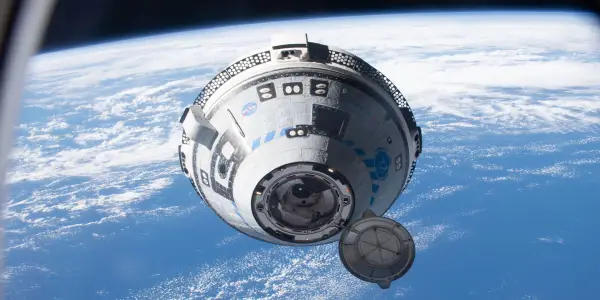
Boeing's Upcoming Starliner Mission Set for April...
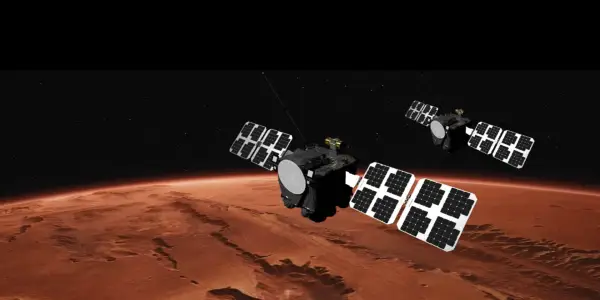
NASA's ESCAPADE Probes Set for Unique Journey to...
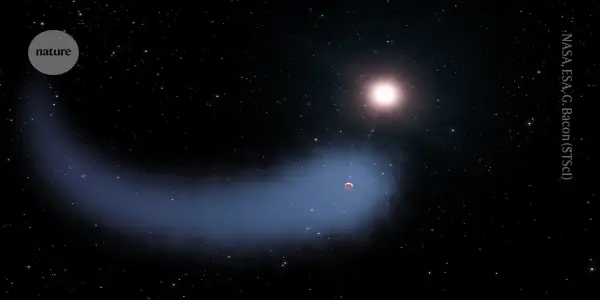
Collaboration Between Exoplanet Researchers and...
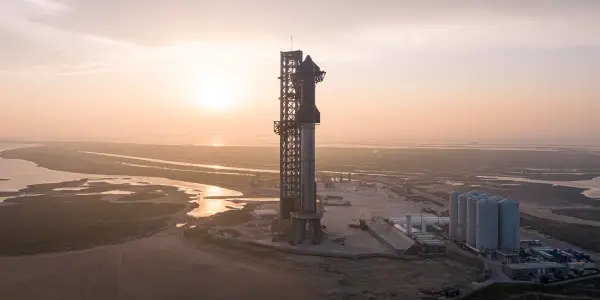
NASA's Artemis 3 Moon Mission Delayed to 2028 Due...
Breakthrough in Milky Way Simulation Using AI...
NASA's X-59 Achieves Historic Supersonic Flight
Fintech Founder Champions Innovation Through...

Samsung's Galaxy S26 Ultra Set for Significant...
Potential Evidence of Dark Matter Emerges from...

Satellite Imagery Reveals Extensive Damage Across...

Samsung Unveils Unprecedented Black Friday Deal...

Jonathan Davies Urges England to Create New...
Jeff Bezos's AI Hardware Venture Takes Aim at...
NASA's Campaign to Monitor Interstellar Comet...
OnePlus 15 vs. Samsung Galaxy S25 Plus: A Clash...
Rogue Moons: A New Frontier for Life Beyond Stars
NASA Considers Reopening Bidding for Artemis 3...
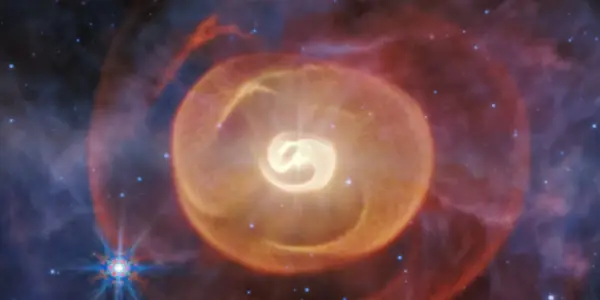
Webb Telescope Reveals Unprecedented Cosmic...
New Research Suggests Dark Matter Influences...
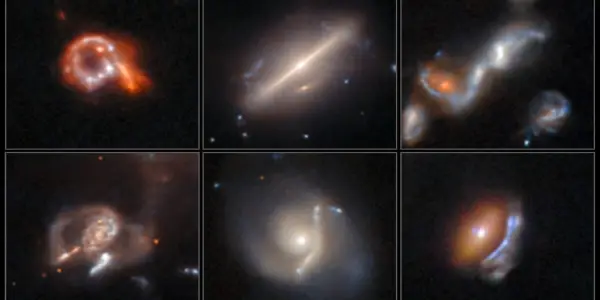
AI Reveals Over 800 New Cosmic Anomalies from...
Study Suggests the Universe's Expansion May Be...
Blue Origin Faces Major Setback as New Glenn...
Apple Introduces Emergency SOS via Satellite in...