Recent Studies Explore Potential Exoplanet in Habitable Zone of Alpha Centauri A
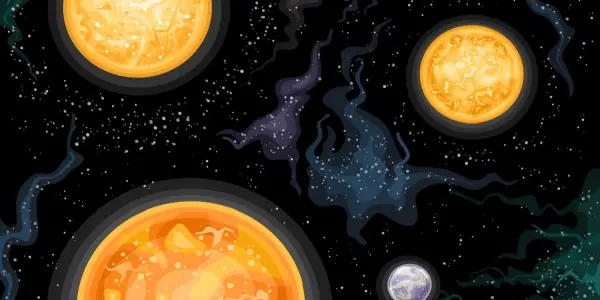
Recent studies suggest a potential exoplanet in the habitable zone of Alpha Centauri A, revealing exciting possibilities for life on its moons, as detected b...
In-depth analysis
New discoveries
Recent investigations have revealed potential evidence of a gas giant within the habitable zone of Alpha Centauri A, the closest star system to Earth. This discovery is significant as it suggests the possibility of one or more moons that may possess conditions favorable for life, enhancing our understanding of exoplanets in our cosmic neighborhood.
Mission updates
The James Webb Space Telescope has been pivotal in the search for exoplanets around Alpha Centauri A, providing promising data that indicates the presence of a gas giant in its habitable zone.
Who is affected
The findings have implications for astronomers and astrobiologists who study the potential for life beyond Earth. Additionally, the broader scientific community is engaged, as these discoveries may influence future research directions and funding in exoplanet exploration.
Next steps
Future observations are essential to confirm the existence of the gas giant and its moons. Researchers plan to monitor the Alpha Centauri system closely to gather more data and validate these groundbreaking findings.
Did you know?
Why we should care
The discovery of a potential exoplanet in the habitable zone of Alpha Centauri A holds profound implications for our understanding of life's existence beyond Earth. With advancements in telescope technology, such as the James Webb Space Telescope, we are on the brink of answering questions that have lingered for centuries. If moons around this gas giant can support life, it could redefine our search for extraterrestrial life, impacting everything from science education to future space exploration initiatives.
The universe's unsolved mystery
Despite decades of advancements in astrophysics, the exact conditions that allow life to thrive remain elusive. The potential gas giant in Alpha Centauri's habitable zone may hold the key to understanding this enigma. Are its moons the missing piece in the puzzle of life's adaptability, or will they reveal new challenges that redefine our expectations of habitability?
The person who looks at the stars
Meet Clara, an amateur astronomer who spends her evenings gazing at the night sky from her backyard in Tucson. For her, the possibility of a habitable exoplanet around Alpha Centauri A ignites a passion for discovery and wonder. Clara often shares her observations with local schoolchildren, inspiring them to dream big. The thought that life may exist just four light-years away captivates her, fueling her belief that exploration is a shared human endeavor. Each twinkling star reminds her of the infinite possibilities that lie beyond our world, and she holds onto the hope that one day, humanity will connect with those distant lives.
James Webb Telescope Identifies Rapidly Growing...

This Week In Space Podcast: Episode 187 Explores...

Satellite Imagery Reveals Extensive Damage Across...
NASA's Campaign to Monitor Interstellar Comet...
New Mexico Startup Unveils Ambitious Plan to...
SpaceX Achieves Major Milestone with Launch of...
Astrophotographer Captures Stunning Image of...
Exploring the Composition of Cosmic Voids

Innovative Portable Reflecting Telescope...
NASA Considers Reopening Bidding for Artemis 3...

NASA's Artemis 3 Moon Mission Delayed to 2028 Due...
NASA's ESCAPADE Probes Set for Unique Journey to...
Andromeda Galaxy's Impact on Its Satellite...

Enhance Your Weather Preparedness with Weather...

Top Black Friday Smartwatch Deals Worth...
New Insights into Gamma Ray Emissions Could...

New Research Suggests Dark Matter Influences...
The Impact of Space Technology on Everyday Life
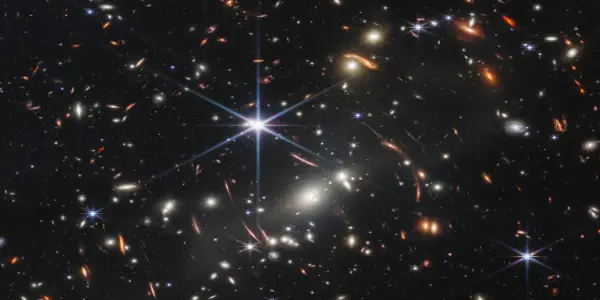
Ancient Galaxies: A Chaotic Early Universe...

European Space Agency Unveils Stunning Radar...

Jonathan Davies Urges England to Create New...
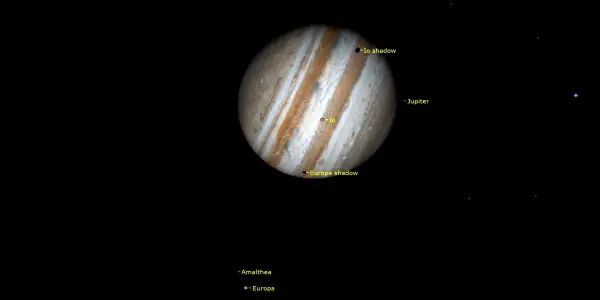
Jupiter's Moons Io and Europa to Cast Shadows...
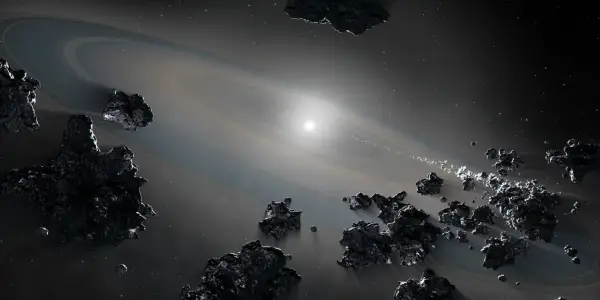
Astronomers Discover Ancient White Dwarf Actively...

OnePlus 15 vs. Samsung Galaxy S25 Plus: A Clash...
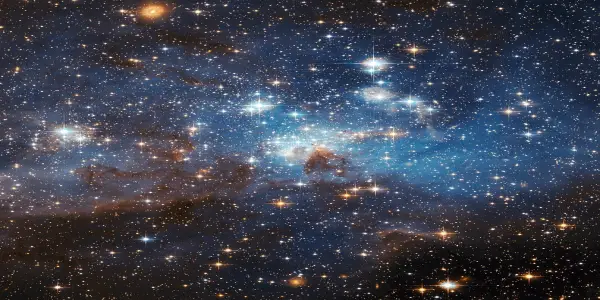
Mapping the Invisible: Astronomers Uncover Dark...
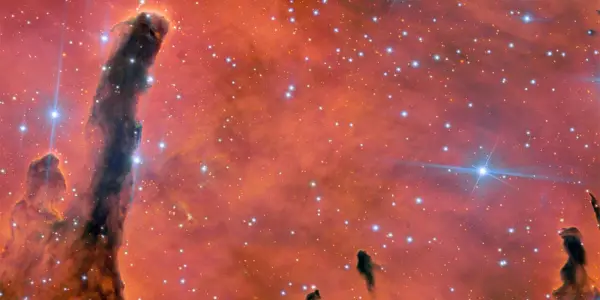
Hawaiian Students Honor Gemini North Telescope's...

Childcare Crisis: Families Struggle as...
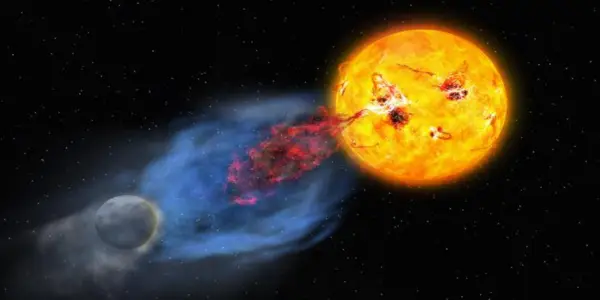
Intense Solar Storms Could Ignite Life on...
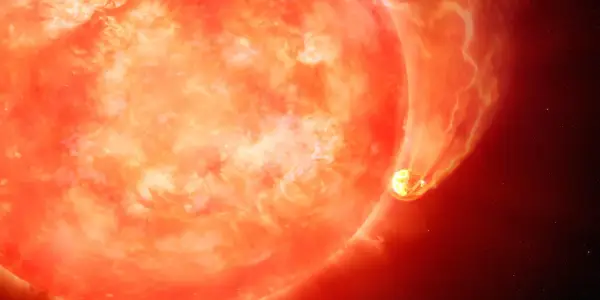
Astronomers Uncover Evidence of Aging Stars...
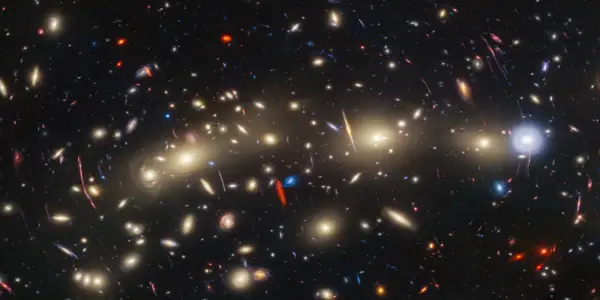
James Webb Space Telescope May Have Detected the...

FULU Foundation Introduces Repair Bounty System...
Rogue Moons: A New Frontier for Life Beyond Stars
Euclid Space Telescope Discovers Hidden Stars in...
Unraveling the Mysteries of Mars: Recent...
China's Mars Orbiter Captures Image of...
Interstellar Comet 3I/ATLAS Approaches...

NASA's X-59 Achieves Historic Supersonic Flight
Webb Telescope Reveals Unprecedented Cosmic...

Unusual Wind from Neutron Star Challenges Space...
Young Canadian Astronomer Identifies Two...