NASA Distances Itself from Apollo 18, a Sci-Fi Film Critics Lamented
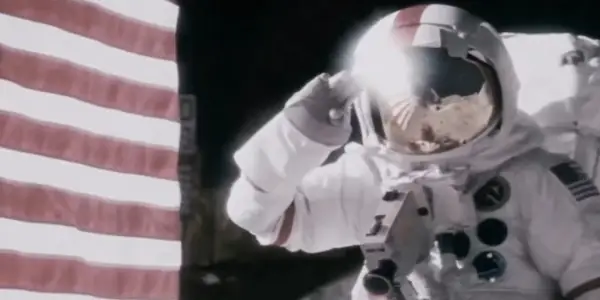
NASA has distanced itself from the found footage horror film Apollo 18, despite its initial support, following poor critical reception and box office performance.
In-depth analysis
New discoveries
Apollo 18, while fictional, introduced audiences to the concept of undiscovered phenomena in space, such as a Soviet spacecraft and the remains of an astronaut. These elements, although not real, sparked discussions about the unknown aspects of lunar exploration and the potential for hidden narratives in historical contexts.
Mission updates
NASA's involvement with Apollo 18 was limited, as the agency chose to distance itself from the film following its poor reception. This decision reflects NASA's commitment to maintaining scientific integrity in its collaborations.
Who is affected
The film's failure impacts not only its creators and investors but also the broader public's trust in cinematic portrayals of space exploration. Misrepresentation can lead to misconceptions about NASA's missions and diminish the credibility of future projects that seek to blend fact with fiction.
Next steps
Moving forward, filmmakers are encouraged to prioritize authenticity in narratives involving space exploration. This approach will not only enhance storytelling but also support public understanding of scientific endeavors and the realities of space missions.
Did you know?
Why we should care
Understanding how films like Apollo 18 impact public perception of space exploration is crucial. Misinformation can shape attitudes toward actual missions and scientific endeavors. When audiences believe fictional narratives, they may foster distrust in real discoveries and agencies like NASA. This connection underlines the responsibility filmmakers have in portraying science accurately, as it directly influences societal views on space policy and funding.
The universe's unsolved mystery
The allure of space exploration often dances on the edge of fact and fiction, leaving viewers questioning what lies beyond our reach. Apollo 18 illustrates this delicate balance, provoking thoughts on the unknowns of our universe. Despite advances in science, the true nature of dark matter, black holes, and extraterrestrial life remains shrouded in mystery, inviting both skepticism and wonder.
The person who looks at the stars
Elena Martinez, a 12-year-old with a telescope obsession, often spends her nights gazing at the stars from her backyard in Tucson. Inspired by stories of lunar missions, she dreams of becoming an astronaut. After watching Apollo 18, she felt a pang of confusion—how could something so thrilling be a mere fabrication? For Elena, the film was not just entertainment; it challenged her beliefs about space. She now wonders how many stories, marketed as truth, can obscure the real adventures waiting beyond Earth. As she continues to explore the night sky, Elena is determined to separate fact from fiction, holding onto her dream of uncovering the universe's secrets.
Expert Commentary
James Webb Space Telescope Discovers Ancient...
Boeing's Upcoming Starliner Mission Set for April...
Apple Introduces Emergency SOS via Satellite in...
Potential Alien Disclosure May Trigger Bitcoin...
Congress Questions NASA's Facility Closures Amid...
Ancient Earth Chemistry Discovered Beneath Modern...
Astronomers Uncover Evidence of Aging Stars...

Daily Roundup: November 10, 2025 – Advancements...
Fintech Founder Champions Innovation Through...

Recent Studies Explore Potential Exoplanet in...
NASA's Artemis 3 Moon Mission Delayed to 2028 Due...
OnePlus 15 vs. Samsung Galaxy S25 Plus: A Clash...
New Simulations Shed Light on the Enigmatic...
Top Black Friday Smartwatch Deals Worth...

Jonathan Davies Urges England to Create New...
NASA and European Partners Prepare for...
Discovery of a Planet Formation Zone Beyond...
Ancient Galaxies: A Chaotic Early Universe...
Intense Solar Storm May Illuminate Skies Across...
Intense Solar Storms Could Ignite Life on...
Exploring Alternatives to the Meta Quest 3 Elite...
Astronomers Identify Ancient Water in...

Urwerk Unveils Limited-Edition 100V 'LightSpeed'...
Italian Producer Plans Historic Film to Shoot in...
Webb Telescope Reveals Unprecedented Cosmic...
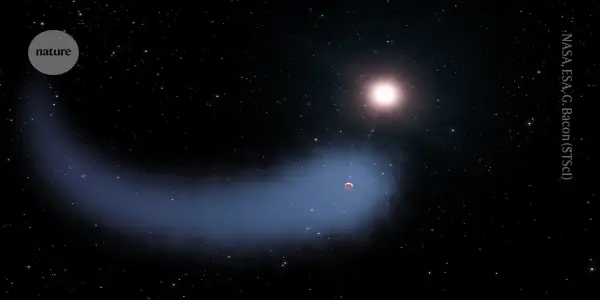
Collaboration Between Exoplanet Researchers and...
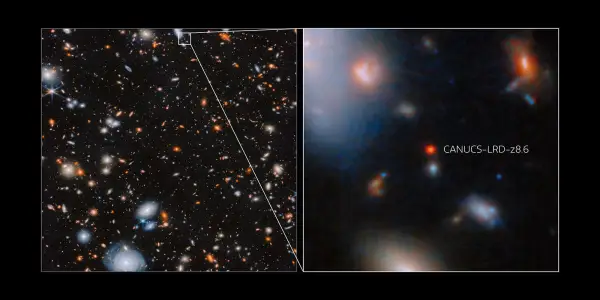
James Webb Telescope Identifies Rapidly Growing...
Jeff Bezos's AI Hardware Venture Takes Aim at...
Astronomers Identify Three Earth-Sized Exoplanets...
SabreSat: An Innovative Air-Breathing Satellite...
ISS Crew Takes Precautions Against Radiation...
India Successfully Launches CMS-03 Military...
NASA's Campaign to Monitor Interstellar Comet...
Meteorite Fragment May Have Impacted Houston Home
Astronomers Capture Unprecedented Black Hole...
Hawaiian Students Honor Gemini North Telescope's...
Interstellar Comet 3I/ATLAS Approaches...