SabreSat: An Innovative Air-Breathing Satellite for Low Earth Orbit Operations
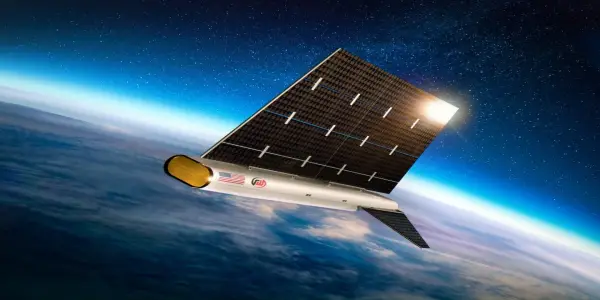
Discover SabreSat, an innovative air-breathing satellite set to revolutionize Very Low Earth Orbit operations with groundbreaking propulsion technology and m...
In-depth analysis
New discoveries
The SabreSat satellite introduces a revolutionary air-breathing propulsion system that harnesses atmospheric particles for thrust. This innovative technology allows for sustained operations in Very Low Earth Orbit (VLEO), challenging the traditional limitations of satellite design and operational lifespan. The implications of this advancement could redefine satellite deployment strategies, promoting a shift towards utilizing the atmosphere as a resource.
Mission updates
Selected by DARPA for its OTTER program, SabreSat aims to demonstrate prolonged functionality in VLEO. Its modular design is tailored for Earth observation and atmospheric sensing, showcasing its unique propulsion capabilities.
Who is affected
The advancements presented by SabreSat have significant implications for satellite operators, researchers, and environmental monitoring agencies. These stakeholders could benefit from enhanced capabilities in real-time atmospheric data collection, potentially leading to improved climate modeling and disaster response strategies.
Next steps
Following its selection for the OTTER program, the next phase involves testing SabreSat’s air-breathing propulsion in VLEO. Successful results could catalyze further development of similar technologies, expanding operational possibilities for future satellite missions.
Did you know?
Why we should care
The SabreSat's innovative propulsion system could revolutionize satellite technology, significantly reducing costs and environmental impact. By harnessing atmospheric particles, it opens new avenues for real-time monitoring of climate changes and natural disasters. This means quicker responses to weather patterns, improved agricultural planning, and enhanced disaster management—essentially making everyday life safer and more informed.
The universe's unsolved mystery
As SabreSat ventures into Very Low Earth Orbit, it highlights a fundamental question in space exploration: how do we balance technological advancement with sustainability? The challenge of utilizing Earth's atmosphere raises possibilities for new propulsion methods, yet it beckons further inquiry into the long-term effects on both our environment and orbital mechanics.
The person who looks at the stars
Meet Clara, a high school science teacher in rural Colorado who has always inspired her students to dream big. With the launch of the SabreSat, she feels a renewed sense of hope. Clara sees a future where satellites can monitor air quality and climate patterns, directly impacting her students' community. Every night, she takes her students outside to gaze at the stars, sharing stories of exploration and innovation. The SabreSat represents not just technological progress but a promise of a more connected and informed world. For Clara, each launch instills a belief that her students could one day contribute to groundbreaking advancements in space technology, further igniting their curiosity and ambition to reach for the stars.
New Simulations Shed Light on the Enigmatic...
Intense Solar Storms Could Ignite Life on...
Ancient Galaxies: A Chaotic Early Universe...
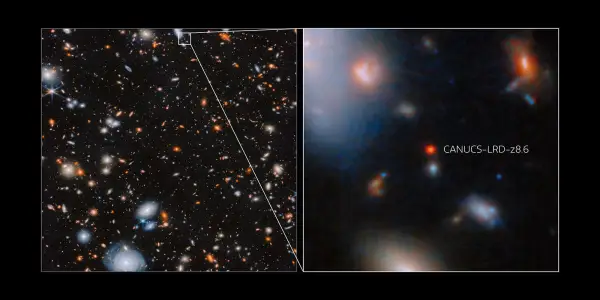
James Webb Telescope Identifies Rapidly Growing...
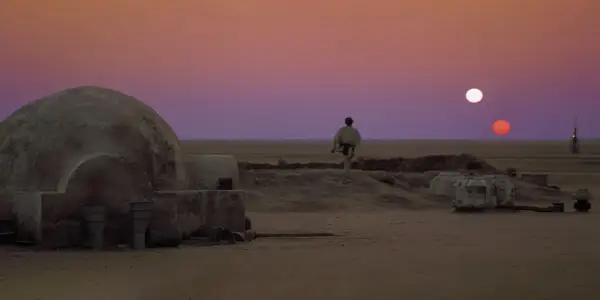
Astronomers Identify Three Earth-Sized Exoplanets...
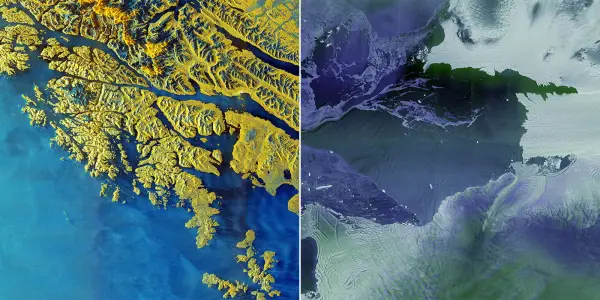
European Space Agency Unveils Stunning Radar...

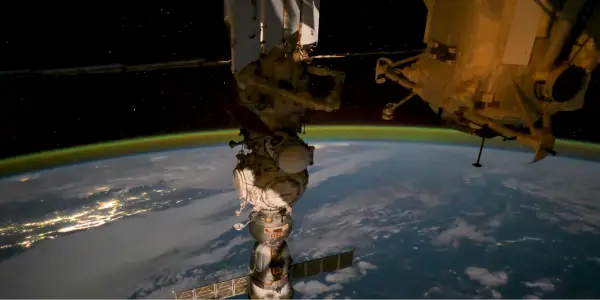
ISS Crew Takes Precautions Against Radiation...
NASA's Artemis 3 Moon Mission Delayed to 2028 Due...

Daily Roundup: November 10, 2025 – Advancements...
China's Mars Orbiter Captures Image of...
Satellite Imagery Reveals Extensive Damage Across...
Astrophotographer Captures Stunning Image of...
Highlights of 2025 in Space Exploration: From...
SpaceX Set to Launch NASA's Pandora Exoplanet...
Deep Fission Proposes Underground Nuclear...
Potential Alien Disclosure May Trigger Bitcoin...

Astronomers Discover Ancient White Dwarf Actively...
Webb Telescope Reveals Unprecedented Cosmic...
Enhance Your Weather Preparedness with Weather...
Euclid Space Telescope Discovers Hidden Stars in...
Italian Producer Plans Historic Film to Shoot in...
X5.1 Solar Flare Triggers G4 Geomagnetic Storm...
Astronomers Identify Potential Earth-Like...
NASA's ESCAPADE Probes Set for Unique Journey to...
Astronomers Converge in Phoenix for AAS 247: A...
Mapping the Invisible: Astronomers Uncover Dark...
Unraveling the Mysteries of Mars: Recent...
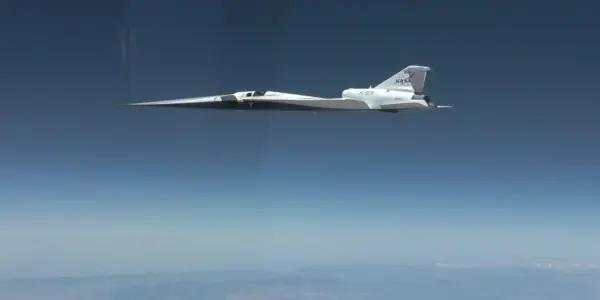
NASA's X-59 Achieves Historic Supersonic Flight

FULU Foundation Introduces Repair Bounty System...

New Research Suggests Dark Matter Influences...
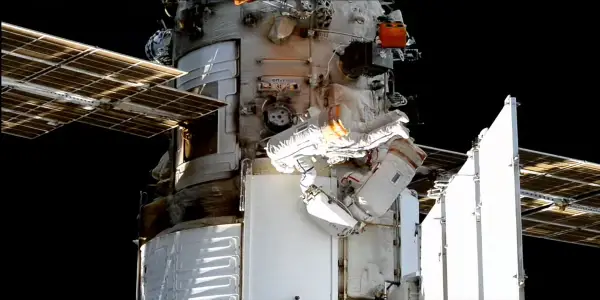
Russian Cosmonauts Conduct Extended Spacewalk to...

Childcare Crisis: Families Struggle as...
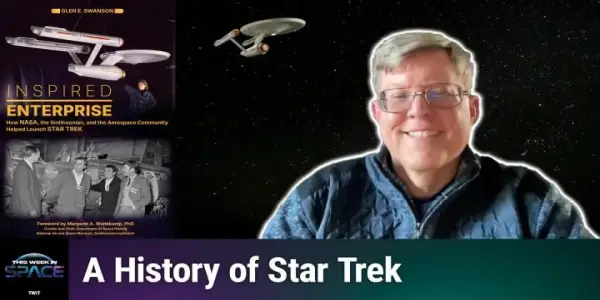
This Week In Space Podcast: Episode 187 Explores...

Samsung Unveils Unprecedented Black Friday Deal...
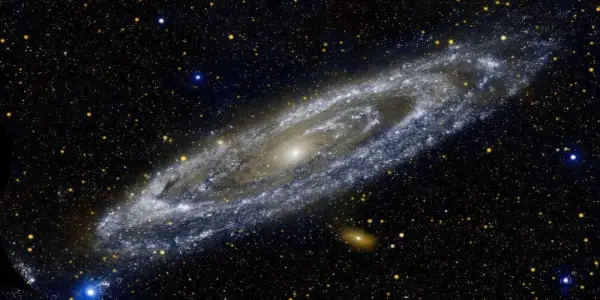
Andromeda Galaxy's Impact on Its Satellite...
Young Canadian Astronomer Identifies Two...
NASA and European Partners Prepare for...