Intense Solar Storms Could Ignite Life on Exoplanets, Study Reveals
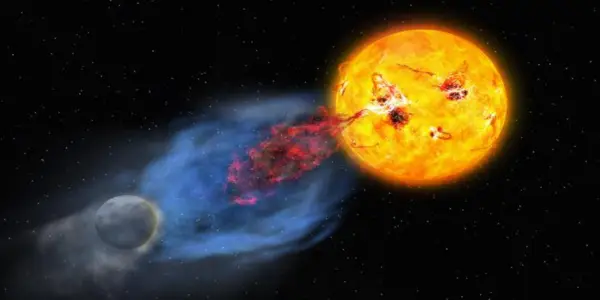
Recent research on the young star EK Draconis sheds light on how stellar activity may catalyze the chemical processes essential for the emergence of life on orbiting planets.
In-depth analysis
New discoveries
Astronomers have identified EK Draconis as a young star exhibiting powerful coronal mass ejections (CMEs), capable of energizing life-supporting chemical reactions in nearby planetary atmospheres. This study reveals the intensity of stellar phenomena, suggesting that similar energetic events could have influenced the conditions for life during the early solar system.
Mission updates
The research team, led by Kosuke Namekata, successfully utilized both space-based and ground observatories, including the Hubble Space Telescope and TESS, to capture detailed observations of EK Draconis and its dynamic stellar activity.
Who is affected
This discovery impacts the field of astrobiology and the ongoing search for extraterrestrial life, as it highlights the potential role of young stars like EK Draconis in creating habitable environments. Scientists studying planetary atmospheres and the origins of life may find new avenues for research.
Next steps
Future studies will focus on confirming the presence of exoplanets around EK Draconis and further exploring the implications of stellar activity on planetary habitability. Continued observation of similar young stars is essential to understanding the conditions necessary for life.
Did you know?
Why we should care
Understanding the violent outbursts of young stars like EK Draconis is more than just cosmic curiosity; it may redefine our grasp of life's origins. The energy from coronal mass ejections could catalyze the formation of complex organic compounds in nearby atmospheres, directly influencing the potential for life on exoplanets. This research not only informs astrobiology but also shapes how we view our own solar system's history.
The universe's unsolved mystery
The dynamics of early stellar activity remain a puzzle. While EK Draconis provides a glimpse into how young stars may nurture life, questions linger about the specific conditions needed for life to emerge. How often do these energetic phenomena occur, and what unique chemical environments do they create? These mysteries beckon further exploration, challenging our understanding of life’s adaptability in the universe.
The person who looks at the stars
Meet Clara, an aspiring astronomer from a small town who gazes at the night sky with wonder. As a child, she was captivated by the stars' twinkling dance, but now she feels a deeper connection to the universe. Clara dreams of discovering new worlds and often reflects on how stars like EK Draconis influence the building blocks of life. This newfound knowledge ignites her passion, inspiring her to advocate for science education in her community. For Clara, every CME observed is not just a cosmic event; it’s a reminder of humanity's quest to understand our place in the universe and the potential for life beyond our planet.
James Webb Telescope Identifies Rapidly Growing...

This Week In Space Podcast: Episode 187 Explores...

Satellite Imagery Reveals Extensive Damage Across...
NASA's Campaign to Monitor Interstellar Comet...
India Successfully Launches CMS-03 Military...
SpaceX Achieves Major Milestone with Launch of...
Astrophotographer Captures Stunning Image of...
Exploring the Composition of Cosmic Voids
Innovative Portable Reflecting Telescope...
NASA Considers Reopening Bidding for Artemis 3...

NASA's Artemis 3 Moon Mission Delayed to 2028 Due...
NASA's ESCAPADE Probes Set for Unique Journey to...
Andromeda Galaxy's Impact on Its Satellite...

Enhance Your Weather Preparedness with Weather...

Top Black Friday Smartwatch Deals Worth...
New Insights into Gamma Ray Emissions Could...
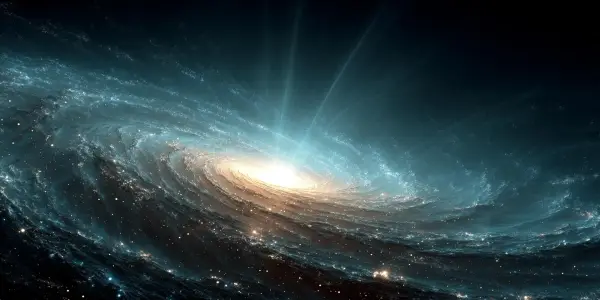
Astrophysicists Unveil Dark Universe Through...
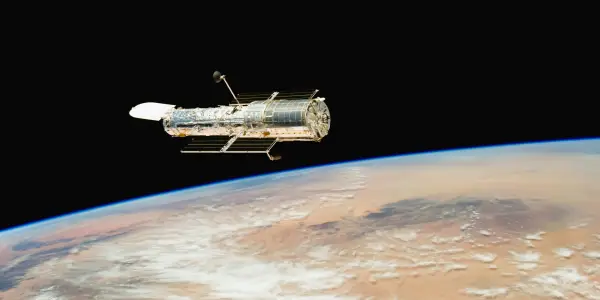
The Impact of Space Technology on Everyday Life
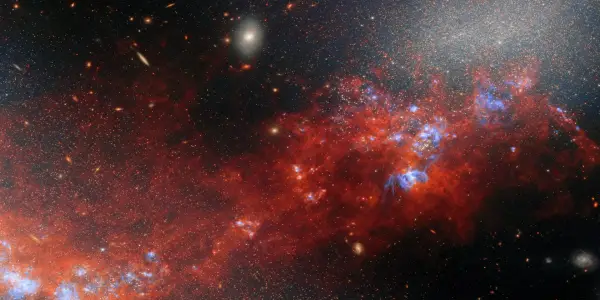
Astronomers Converge in Phoenix for AAS 247: A...

European Space Agency Unveils Stunning Radar...

Jonathan Davies Urges England to Create New...
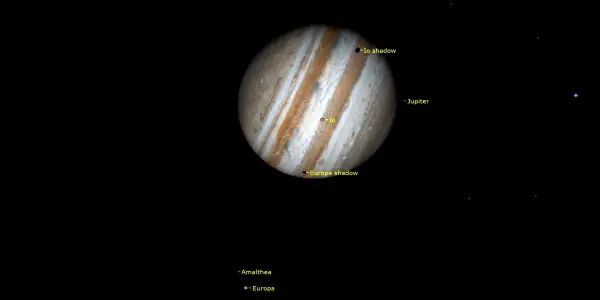
Jupiter's Moons Io and Europa to Cast Shadows...
Astronomers Discover Ancient White Dwarf Actively...

OnePlus 15 vs. Samsung Galaxy S25 Plus: A Clash...
Mapping the Invisible: Astronomers Uncover Dark...
Hawaiian Students Honor Gemini North Telescope's...

Childcare Crisis: Families Struggle as...
Intense Solar Storms Could Ignite Life on...
Astronomers Uncover Evidence of Aging Stars...
James Webb Space Telescope May Have Detected the...

FULU Foundation Introduces Repair Bounty System...
Rogue Moons: A New Frontier for Life Beyond Stars
Euclid Space Telescope Discovers Hidden Stars in...
Unraveling the Mysteries of Mars: Recent...
China's Mars Orbiter Captures Image of...
Interstellar Comet 3I/ATLAS Approaches...
NASA's X-59 Achieves Historic Supersonic Flight
Webb Telescope Reveals Unprecedented Cosmic...
Unusual Wind from Neutron Star Challenges Space...
Young Canadian Astronomer Identifies Two...