Astronomers Capture Remarkable Supernova Through Gravitational Lensing
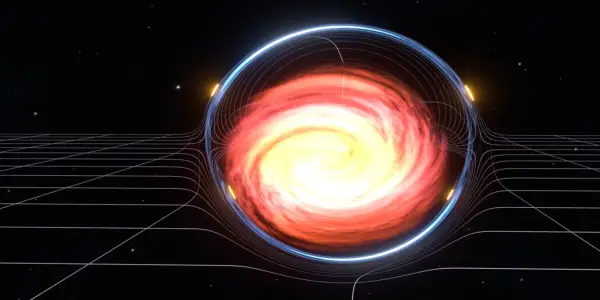
An international team of astronomers has successfully observed a superluminous supernova, SN WNY, using gravitational lensing, marking a significant milestone in cosmic studies.
In-depth analysis
New discoveries
Astronomers have made a significant breakthrough by observing SN WNY, a superluminous supernova located one billion light-years away, through gravitational lensing. This technique enhances visibility, allowing for detailed study of supernova characteristics that were previously obscured. The findings, published in The Astrophysical Journal Letters, open new avenues for understanding cosmic phenomena and the universe's expansion.
Mission updates
The research team has successfully collaborated with the Keck Observatory to confirm their observations of SN WNY. This partnership has resulted in the collection of critical spectral data, enhancing the understanding of the supernova's properties.
Who is affected
This discovery impacts the astrophysics community, particularly researchers focused on supernovae and cosmic expansion. It also holds implications for broader scientific disciplines, as understanding the Hubble constant could reshape existing theories about the universe's rate of expansion.
Next steps
The team plans to conduct follow-up observations using the Hubble and James Webb Space Telescopes. This ongoing research aims to further investigate the characteristics of SN WNY and refine measurements related to cosmic expansion.
Did you know?
Why we should care
The observation of supernova SN WNY offers a glimpse into the forces shaping our universe, impacting everything from the formation of galaxies to the ultimate fate of cosmic expansion. Understanding these phenomena could influence technologies like GPS and satellite communications, which rely on precise measurements of cosmic distances. This discovery highlights how interconnected our existence is with the vast universe.
The universe's unsolved mystery
Despite advancements in astrophysics, the true nature of dark energy remains elusive. While SN WNY's observation via gravitational lensing opens new pathways for exploration, it also emphasizes the gaps in our current understanding of cosmic expansion. Each new discovery raises more questions, hinting at deeper mysteries underlying the fabric of spacetime itself.
The person who looks at the stars
Sofia Morales, a dedicated high school science teacher in Tucson, Arizona, finds solace in the night sky. Every week, she takes her students to a local observatory, sparking their curiosity about the cosmos. When she learned about SN WNY, she felt a rush of excitement; this supernova’s brightness could inspire her students to dream big. Sofia often tells them that understanding the universe helps us comprehend our place within it. The gravitational lensing technique used to observe SN WNY mirrors how she encourages her students to view challenges: with the right perspective, even the most complex problems can be illuminated. For Sofia, the stars are not just distant objects; they are an invitation to explore the unknown, fostering a sense of wonder that she hopes to pass on.
The Dwarf III Smart Telescope: A Compact Marvel...
Interstellar Comet 3I/ATLAS Approaches...

Satellite Imagery Highlights Hurricane Damage...
James Webb Space Telescope Captures Stunning...
Mapping the Invisible: Astronomers Uncover Dark...
James Webb Space Telescope May Have Detected the...
NASA's Ambitious Timeline for Human Exploration...
AI Reveals Over 800 New Cosmic Anomalies from...
Astronomers Uncover a Rapid Star-Forming Galaxy...

X-Men Return to Education in Upcoming Comic...
Unraveling the Mysteries of Mars: Recent...
SpaceX Achieves Major Milestone with Launch of...
Potential Alien Disclosure May Trigger Bitcoin...
SpaceX Achieves 150th Falcon 9 Launch with...
Astrophysicists Unveil Dark Universe Through...
Potential Evidence of Dark Matter Emerges from...
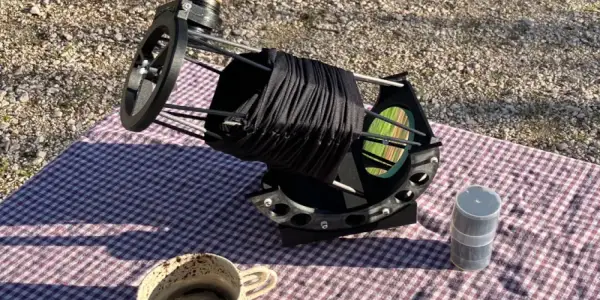
Innovative Portable Reflecting Telescope...
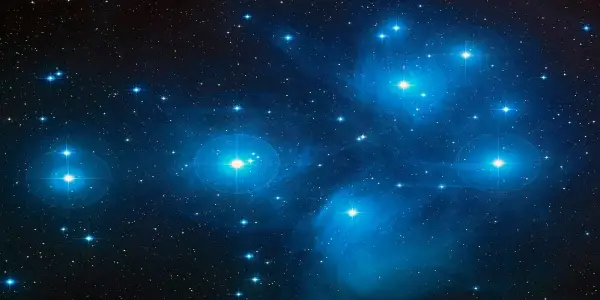
The Pleiades Star Cluster Reveals Its Extensive...
New Research Suggests Dark Matter Influences...

OnePlus 15 vs. Samsung Galaxy S25 Plus: A Clash...
Astronomers Discover Ancient White Dwarf Actively...
Rogue Moons: A New Frontier for Life Beyond Stars
Exploring the Best Online Resources for Stunning...

Satellite Imagery Reveals Extensive Damage Across...
Study Suggests the Universe's Expansion May Be...
Russian Cosmonauts Conduct Extended Spacewalk to...
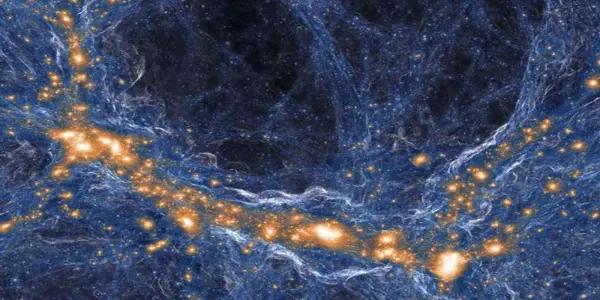
Exploring the Composition of Cosmic Voids
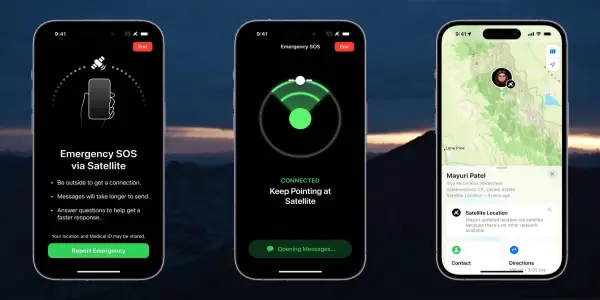
Apple Introduces Emergency SOS via Satellite in...
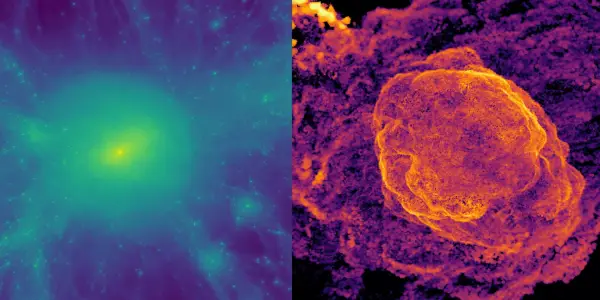
New Simulations Shed Light on the Enigmatic...
NASA Unveils New Images of Interstellar Comet...
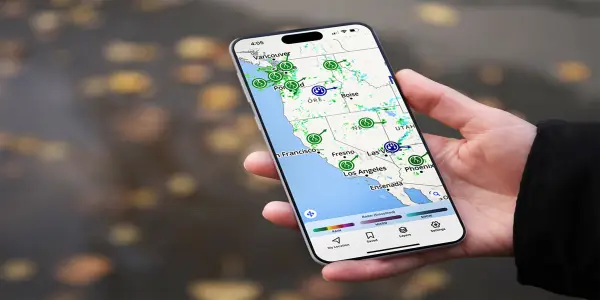
Enhance Your Weather Preparedness with Weather...
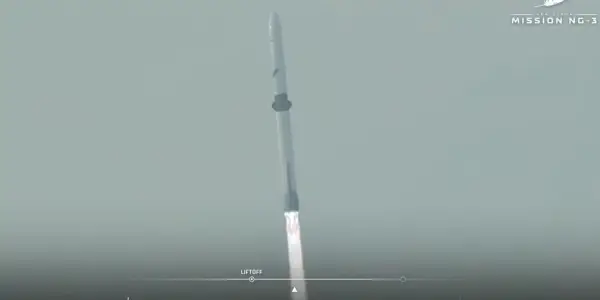
Blue Origin Faces Major Setback as New Glenn...
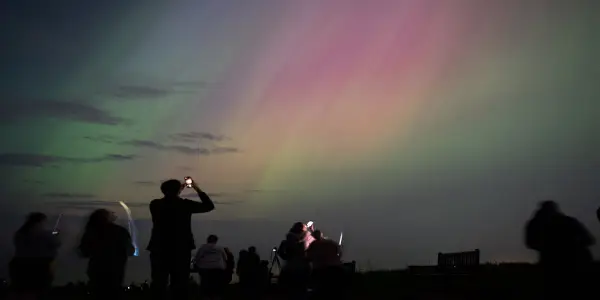
Intense Solar Storm May Illuminate Skies Across...
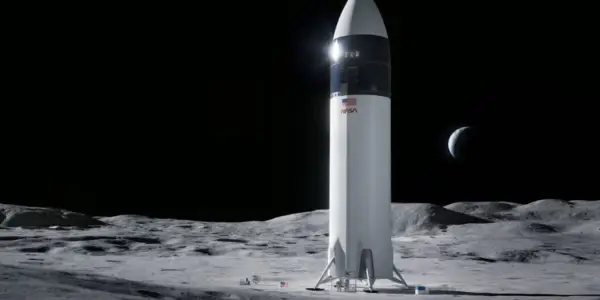
SpaceX Faces Challenges in Meeting NASA's 2027...
Collaboration Between Exoplanet Researchers and...
NASA's Campaign to Monitor Interstellar Comet...
Astronomers Converge in Phoenix for AAS 247: A...
The Impact of Space Technology on Everyday Life
SabreSat: An Innovative Air-Breathing Satellite...