Russian Cosmonauts Conduct Extended Spacewalk to Enhance International Space Station Operations
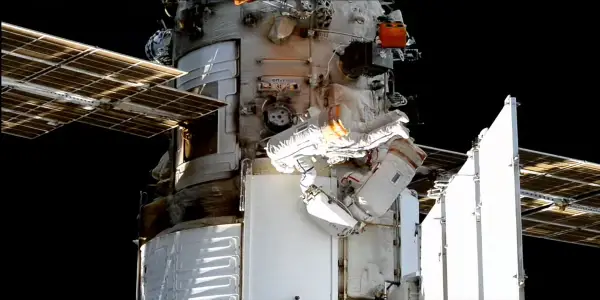
On October 28, 2025, Russian cosmonauts Sergey Ryzhikov and Alexey Zubritsky completed a nearly seven-hour spacewalk to install experiments and perform maintenance on the International Space Station.
In-depth analysis
New discoveries
The recent spacewalk by cosmonauts Sergey Ryzhikov and Alexey Zubritsky led to significant advancements in understanding jet engine performance in microgravity. By installing a two-part apparatus for a pulse experiment, researchers can explore potential breakthroughs in aerospace engineering, enhancing the capabilities of future space missions.
Mission updates
On October 28, 2025, Russian cosmonauts completed a 6-hour and 54-minute spacewalk, their second EVA in two weeks, focusing on maintenance and upgrades to the ISS.
Who is affected
The advancements made during this spacewalk impact not only the Russian space agency Roscosmos but also the broader international scientific community. Researchers across various fields will benefit from enhanced capabilities aboard the ISS, fostering collaboration and innovation in aerospace technology.
Next steps
Following the successful spacewalk, preparations are underway for the arrival of Japan's HTV-X cargo vehicle, which will deliver essential supplies and equipment to the ISS, further supporting ongoing research and operations.
Did you know?
Why we should care
The work of cosmonauts like Sergey Ryzhikov and Alexey Zubritsky directly impacts everyday life on Earth by advancing technologies that often emerge from space research. For instance, innovations in materials developed from experiments like the Molecular Beam Epitaxy can lead to better electronics, stronger materials, and even breakthroughs in medicine. Their efforts ensure that the International Space Station remains a hub for critical research that drives the future of technology.
The universe's unsolved mystery
Despite centuries of exploration, the universe still holds countless secrets, particularly regarding dark matter and dark energy, which compose over 95% of the cosmos. Understanding these phenomena could unlock answers to fundamental questions about the universe's origin and fate, reshaping our grasp of physics and our place in the cosmos.
The person who looks at the stars
Maria Chen, a high school physics teacher in Seattle, often takes her students to local observatories, igniting their interest in astronomy. Inspired by the work of cosmonauts like Ryzhikov and Zubritsky, she emphasizes the importance of space exploration in her lessons, explaining how experiments on the ISS lead to innovations in their everyday lives. Maria believes that every spacewalk brings humanity one step closer to unraveling the mysteries of the universe, providing her students with a sense of wonder and possibility. By linking their studies to real-world applications, she hopes to inspire a new generation of scientists who will continue to gaze at the stars and dream of what lies beyond.

FULU Foundation Introduces Repair Bounty System...
China's Mars Orbiter Captures Image of...
Exploring Alternatives to the Meta Quest 3 Elite...
Interstellar Comet 3I/ATLAS Approaches...
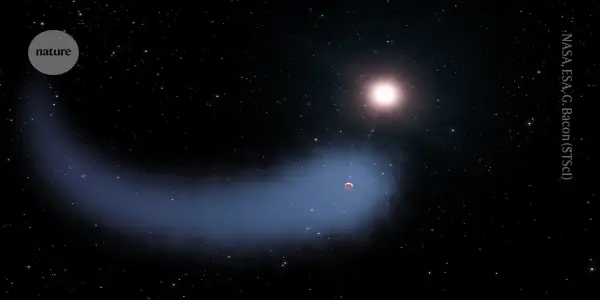
Collaboration Between Exoplanet Researchers and...
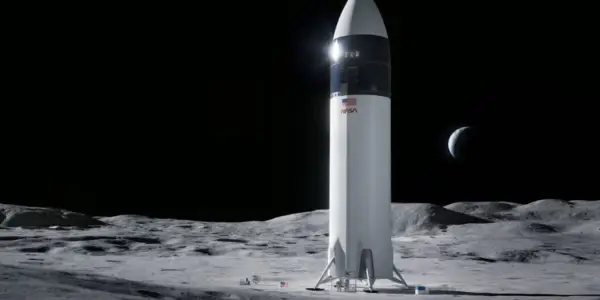
SpaceX Faces Challenges in Meeting NASA's 2027...
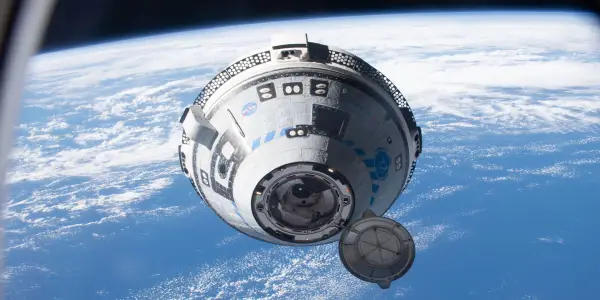
Boeing's Upcoming Starliner Mission Set for April...
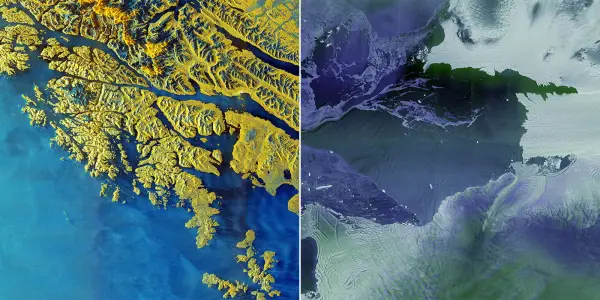
European Space Agency Unveils Stunning Radar...

Samsung's Galaxy S26 Ultra Set for Significant...
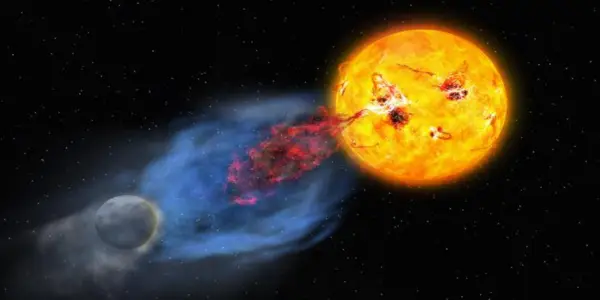
Intense Solar Storms Could Ignite Life on...
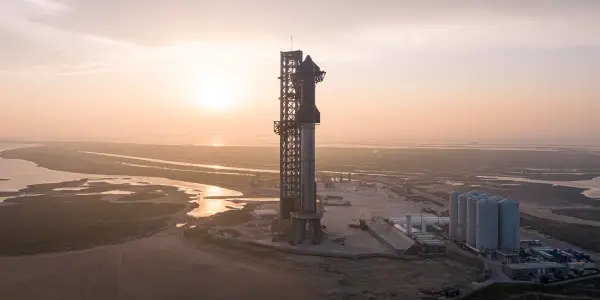
NASA's Artemis 3 Moon Mission Delayed to 2028 Due...
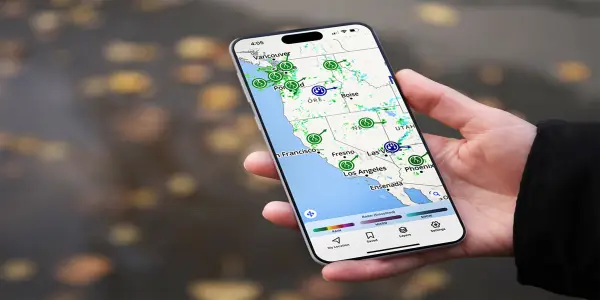
Enhance Your Weather Preparedness with Weather...
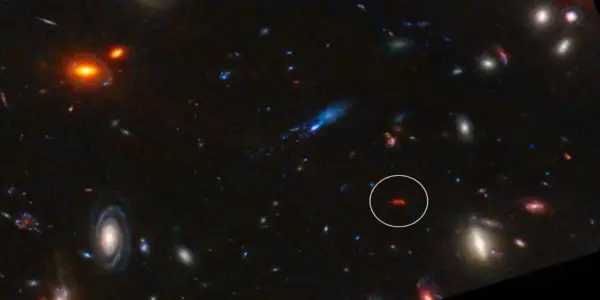
Astronomers Uncover a Rapid Star-Forming Galaxy...
New Simulations Shed Light on the Enigmatic...
Unusual Wind from Neutron Star Challenges Space...
Hawaiian Students Honor Gemini North Telescope's...
Ancient Galaxies: A Chaotic Early Universe...

Urwerk Unveils Limited-Edition 100V 'LightSpeed'...
Discovery of a Planet Formation Zone Beyond...
Recent Studies Explore Potential Exoplanet in...

Top Black Friday Smartwatch Deals Worth...
Italian Producer Plans Historic Film to Shoot in...
Astronomers Converge in Phoenix for AAS 247: A...
Euclid Space Telescope Discovers Hidden Stars in...
Innovative Portable Reflecting Telescope...
Assessing the Financial Impact of NASA's Apollo...
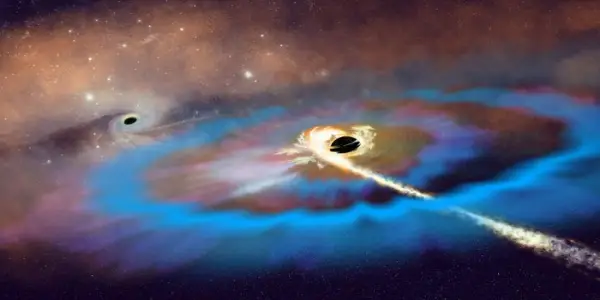
Astronomers Capture Unprecedented Black Hole...
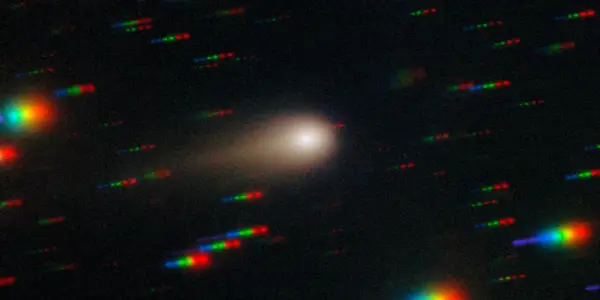
NASA's Campaign to Monitor Interstellar Comet...
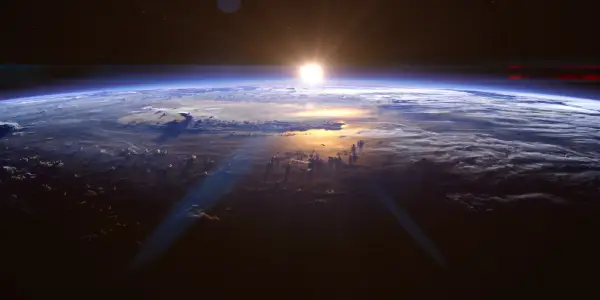
Portal Systems Aims to Revolutionize Spacecraft...
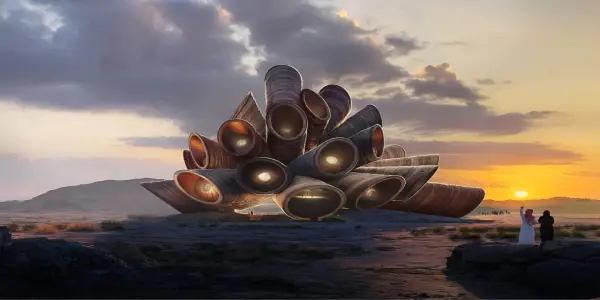
Astronomers Uncover Evidence of Aging Stars...
NASA's X-59 Achieves Historic Supersonic Flight
Unraveling the Mysteries of Mars: Recent...
Potential Alien Disclosure May Trigger Bitcoin...
Apple Introduces Emergency SOS via Satellite in...

Lenovo's Legion Tab Gen 3 Sees Significant Black...
Meteorite Fragment May Have Impacted Houston Home
Breakthrough in Milky Way Simulation Using AI...
Mapping the Invisible: Astronomers Uncover Dark...