Breakthrough in Milky Way Simulation Using AI Technology
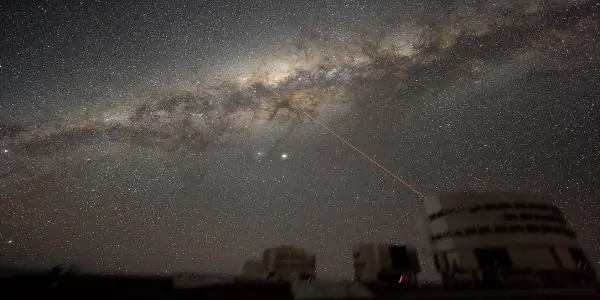
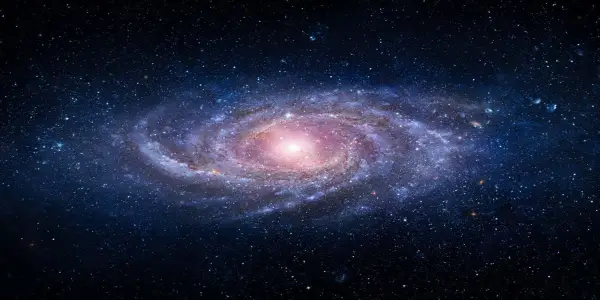
Researchers have achieved a groundbreaking simulation of the Milky Way galaxy, modeling its 100 billion stars through a combination of artificial intelligence and supercomputing capabilities.
In-depth analysis
New discoveries
The creation of a detailed simulation of the Milky Way galaxy, featuring around 100 billion stars, marks a significant leap in astrophysics. This groundbreaking work integrates artificial intelligence with traditional physics, enabling researchers to delve into the complexities of galaxy formation and star evolution in ways previously thought impossible.
Mission updates
The simulation project, led by Keiya Hirashima at RIKEN, has successfully utilized 7 million CPU cores to enhance computational efficiency, validating results against established astrophysical data.
Who is affected
This advancement in galaxy simulation impacts astrophysicists and researchers across various scientific fields. It opens new avenues for understanding cosmic phenomena and sets a foundation for future studies in related disciplines, such as climate science and ocean dynamics.
Next steps
Following this success, researchers plan to explore the application of AI-driven techniques in other scientific areas. This could lead to more efficient models in diverse fields, enhancing our understanding of complex systems across the universe.
Did you know?
Why we should care
The ability to simulate the Milky Way with such detail can reshape our understanding of the universe, influencing everything from educational curricula to technological advancements. It opens pathways for new discoveries about star life cycles and galaxy evolution, which could impact fields like climate modeling on Earth. Ultimately, this research connects us to the cosmos, highlighting our place within it.
The universe's unsolved mystery
Despite this groundbreaking simulation, questions remain about dark matter and dark energy, which make up most of the universe yet elude our understanding. As simulations become more complex, they could help bridge the gap between our current knowledge and the hidden aspects of cosmic structure and dynamics, driving us closer to solving these fundamental mysteries.
The person who looks at the stars
Meet Maria Chen, a high school science teacher in Seattle, who finds inspiration in the night sky. Each time she introduces her students to the concept of galaxies, she recalls her childhood stargazing with her grandfather. The new simulation of the Milky Way fascinates her, as it not only enhances her lessons but also ignites curiosity in her students. Maria believes these advancements could empower a new generation of astronomers and scientists, instilling a sense of wonder about the universe's vastness and complexity. For her, this research isn't just academic; it's a bridge to dreams and discoveries that could shape their futures.
This Week In Space Podcast: Episode 187 Explores...
China's Mars Orbiter Captures Image of...

Affordable Fitness Tracking: The Amazfit Active 2...
Astronomers Capture Unprecedented Black Hole...
Interstellar Comet 3I/ATLAS Approaches...
James Webb Telescope Identifies Rapidly Growing...

Foundation Season 3 Hints at Deeper Asimov Themes...
Astronomers Converge in Phoenix for AAS 247: A...

Unistellar eQuinox 2 Smart Telescope Sees...
Potential Evidence of Dark Matter Emerges from...
Jupiter's Moons Io and Europa to Cast Shadows...

FULU Foundation Introduces Repair Bounty System...
SpaceX Faces Challenges in Meeting NASA's 2027...

OnePlus 15 vs. Samsung Galaxy S25 Plus: A Clash...

Exploring Alternatives to the Meta Quest 3 Elite...
NASA's Campaign to Monitor Interstellar Comet...
NASA and European Partners Prepare for...
ISS Crew Takes Precautions Against Radiation...
Hawaiian Students Honor Gemini North Telescope's...
Young Canadian Astronomer Identifies Two...
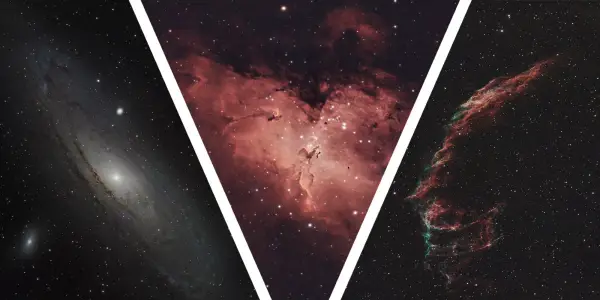
The Dwarf III Smart Telescope: A Compact Marvel...
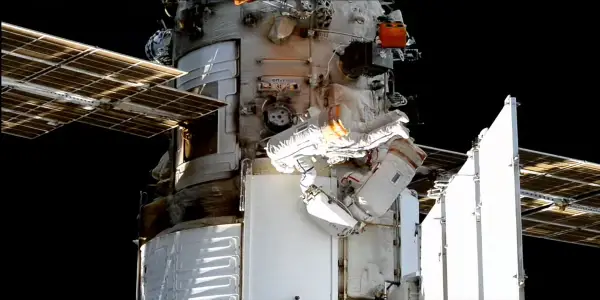
Russian Cosmonauts Conduct Extended Spacewalk to...

Urwerk Unveils Limited-Edition 100V 'LightSpeed'...

Samsung Galaxy S26 Expected to Feature Enhanced...
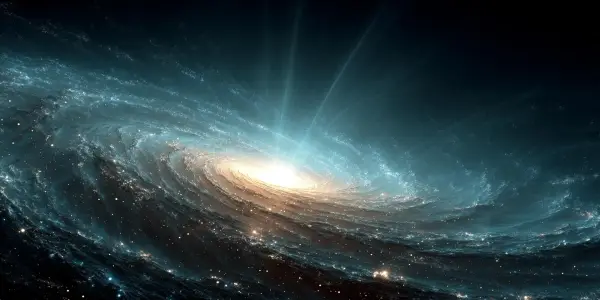
Astrophysicists Unveil Dark Universe Through...

Lenovo's Legion Tab Gen 3 Sees Significant Black...
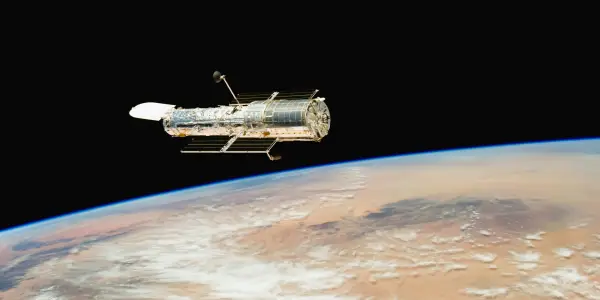
The Impact of Space Technology on Everyday Life
Congress Questions NASA's Facility Closures Amid...
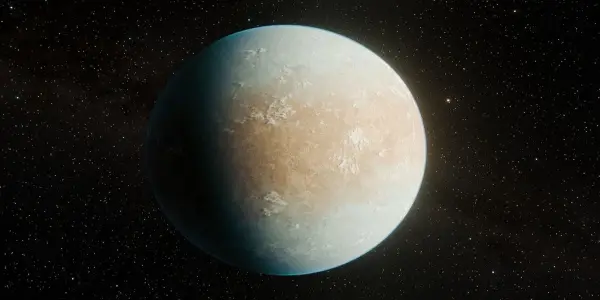
Astronomers Identify Potential Earth-Like...
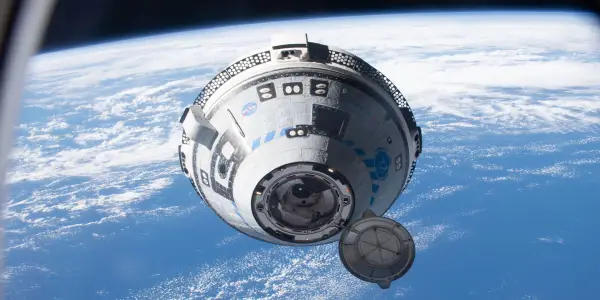
Boeing's Upcoming Starliner Mission Set for April...

NASA's X-59 Achieves Historic Supersonic Flight

Childcare Crisis: Families Struggle as...
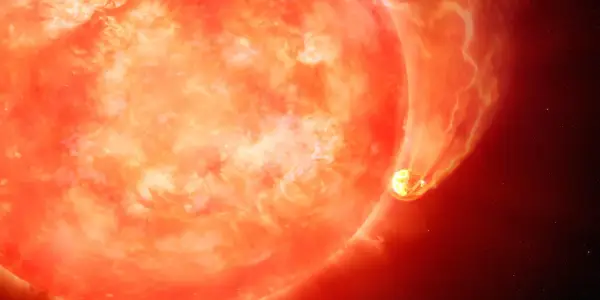
Astronomers Uncover Evidence of Aging Stars...
Artemis 2 Astronauts Safely Return After Historic...

Satellite Imagery Reveals Extensive Damage Across...
Exploring the Composition of Cosmic Voids

Jeff Bezos's AI Hardware Venture Takes Aim at...

Enhance Your Weather Preparedness with Weather...
Astronomers Uncover a Rapid Star-Forming Galaxy...