ISS Crew Takes Precautions Against Radiation During Solar Storms
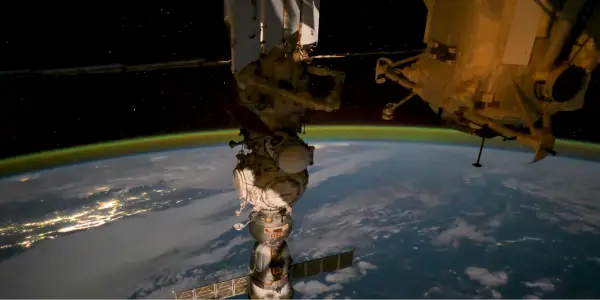
Russian cosmonauts aboard the International Space Station were directed to shelter in a laboratory module due to increased radiation levels from solar activity.
In-depth analysis
New discoveries
Recent solar storms have unveiled the dual nature of solar activity, showcasing both the stunning auroras visible from Earth and the potential health hazards posed to astronauts in orbit. These phenomena highlight the intricate relationship between solar events and their impact on space missions, emphasizing the need for ongoing research into solar radiation effects.
Mission updates
Astronauts aboard the ISS have adjusted their sleeping arrangements due to heightened radiation levels from an energetic solar particle event. The Russian crew members relocated to the lab module as a precautionary measure.
Who is affected
The three Russian cosmonauts aboard the ISS are directly impacted by the recent solar storms, which necessitated changes to their sleeping locations. Meanwhile, American astronauts remain in their original quarters, highlighting the varied responses to solar activity among the crew.
Next steps
Moving forward, continuous monitoring of solar activity will be essential for ensuring astronaut safety aboard the ISS. Future protocols may be adjusted based on the frequency and intensity of solar events.
Did you know?
Why we should care
Solar storms remind us how intertwined human activity is with cosmic events. When astronauts alter their routines due to radiation risks, it demonstrates the delicate balance of innovation and safety in space exploration. For those of us on Earth, these storms create dazzling auroras, yet highlight the potential dangers our spacefarers face—an urgent reminder that as we push boundaries, vigilance is essential.
The universe's unsolved mystery
Despite decades of research, the full impact of solar storms remains elusive. Why do some storms yield spectacular auroras while others pose dangers to astronauts? Understanding this phenomenon not only enriches our scientific knowledge but also deepens our connection to the universe's unpredictable nature, challenging us to consider the implications for future space travel and Earth's climate.
The person who looks at the stars
Meet Elena Torres, a high school science teacher in South Dakota with a passion for astronomy. After a recent solar storm, she took her students outside at night to witness the auroras, turning a natural spectacle into an educational experience. Elena encourages her students to ponder the vastness of space and the complexities of our sun. For her, these events are not just beautiful; they spark curiosity and foster a deeper understanding of the universe's mysteries. As she watches her students' eyes light up with wonder, Elena feels a profound connection to both the cosmos and her role as an educator, inspiring the next generation of explorers.
Exploring Alternatives to the Meta Quest 3 Elite...
Astronomers Capture Unprecedented Black Hole...
Astrophotographer Captures Stunning Image of...
China's Mars Orbiter Captures Image of...
New Mexico Startup Unveils Ambitious Plan to...
X5.1 Solar Flare Triggers G4 Geomagnetic Storm...
Highlights of 2025 in Space Exploration: From...
Astrophysicists Unveil Dark Universe Through...
NASA's Artemis 3 Moon Mission Delayed to 2028 Due...
SabreSat: An Innovative Air-Breathing Satellite...
NASA's Campaign to Monitor Interstellar Comet...
James Webb Space Telescope May Have Detected the...
The Impact of Space Technology on Everyday Life
Unistellar eQuinox 2 Smart Telescope Sees...
NASA and European Partners Prepare for...
Samsung Unveils Unprecedented Black Friday Deal...
This Week In Space Podcast: Episode 187 Explores...
Artemis 2 Astronauts Safely Return After Historic...
ISS Crew Takes Precautions Against Radiation...
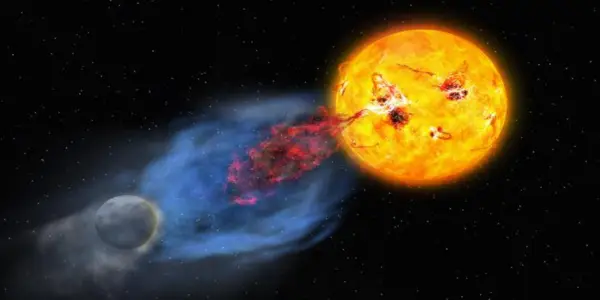
Intense Solar Storms Could Ignite Life on...

Urwerk Unveils Limited-Edition 100V 'LightSpeed'...
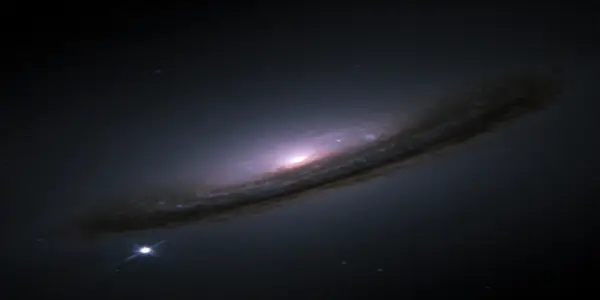
Study Suggests the Universe's Expansion May Be...
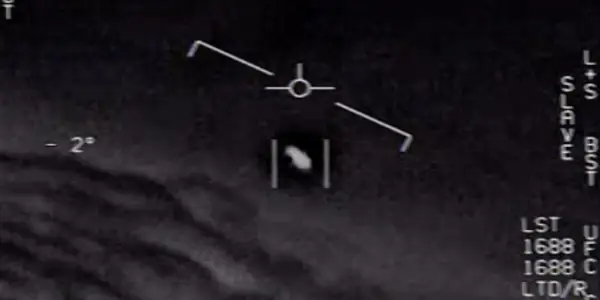
Potential Alien Disclosure May Trigger Bitcoin...
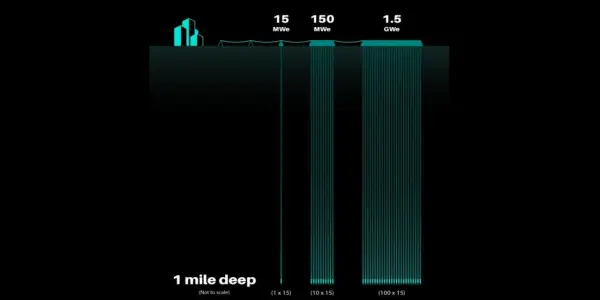
Deep Fission Proposes Underground Nuclear...
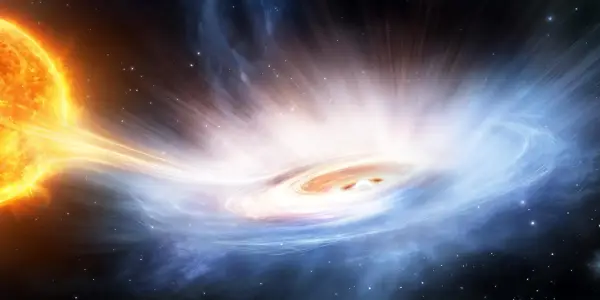
Unusual Wind from Neutron Star Challenges Space...
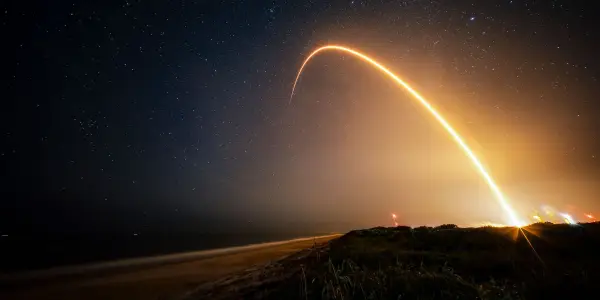
SpaceX Achieves 150th Falcon 9 Launch with...
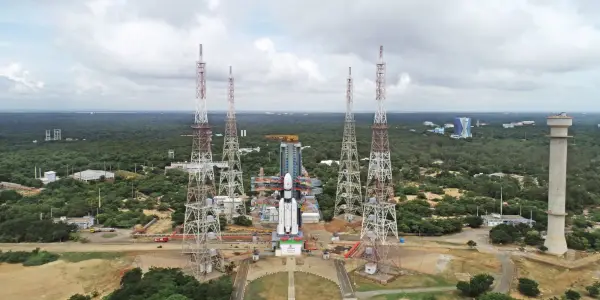
India Successfully Launches CMS-03 Military...
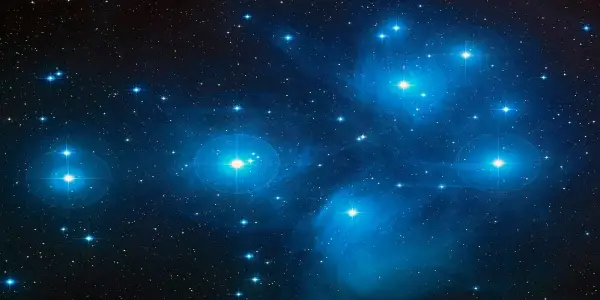
The Pleiades Star Cluster Reveals Its Extensive...
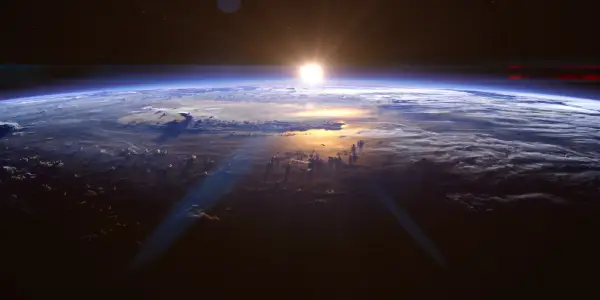
Portal Systems Aims to Revolutionize Spacecraft...
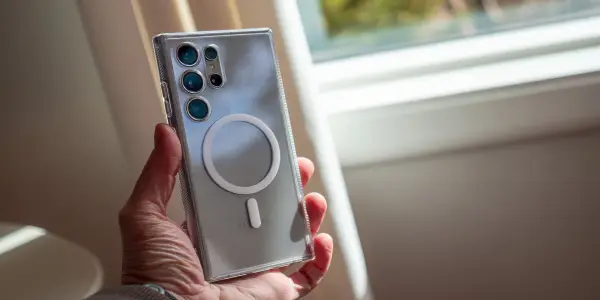
Samsung's Galaxy S26 Ultra Set for Significant...
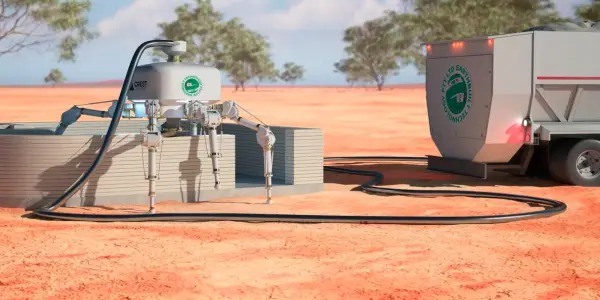
Charlotte: The Lunar 3D Printer Poised to...
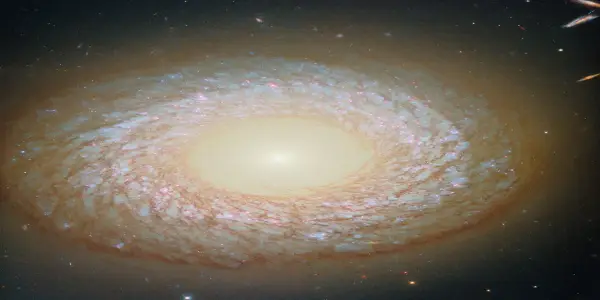
Hubble Telescope Unveils Enigmatic Galaxy NGC 2775
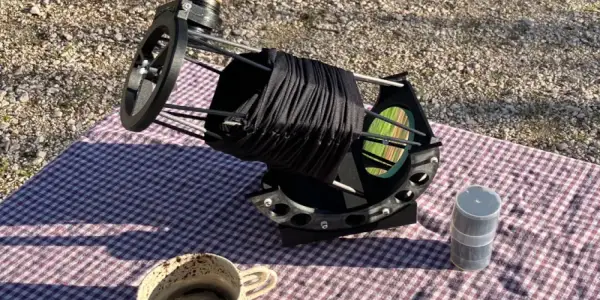
Innovative Portable Reflecting Telescope...
Apple Introduces Emergency SOS via Satellite in...
Congress Questions NASA's Facility Closures Amid...

Childcare Crisis: Families Struggle as...
James Webb Space Telescope Discovers Ancient...
Exploring the Composition of Cosmic Voids
NASA Advances Artemis 2 Mission with Orion...

Jeff Bezos's AI Hardware Venture Takes Aim at...