SoftBank's Masayoshi Son Questions Musk's Vision for Orbital Data Centers Amid SpaceX Stock Volatility

Masayoshi Son emphasizes the importance of terrestrial AI advancements over Musk's space-based data center ambitions.
In-depth analysis
New discoveries
Recent insights from Masayoshi Son indicate a growing skepticism about the feasibility of establishing data centers in space, emphasizing that immediate advancements in artificial intelligence on Earth will outweigh potential future developments in orbit. This perspective highlights the need for practical solutions in the tech industry amidst ambitious proposals.
Mission updates
SpaceX's recent IPO has positioned the company as a significant player in the tech landscape, although its stock volatility reflects the uncertainties surrounding its ambitious projections, particularly in the AI sector.
Who is affected
Investors and industry analysts are closely monitoring the implications of Son's skepticism and SpaceX's performance. The broader tech community, including figures like Jeff Bezos, is also engaged in the conversation about the feasibility of space-based data centers.
Next steps
As discussions continue, stakeholders in the tech sector may need to reassess their strategies regarding space ventures. A focus on terrestrial data center development and AI investments will likely take precedence in the near term.
Did you know?
Why we should care
The conversation around space-based data centers isn’t just about lofty ambitions; it directly impacts our daily tech. As AI evolves, the efficiency of data processing becomes crucial for everything from smart home devices to healthcare innovations. Understanding the feasibility of these futuristic concepts can influence investment, technological advancements, and even job creation in industries that rely on AI's growth.
The universe's unsolved mystery
The quest for space-based data centers raises fundamental questions about our priorities in technology. Are we ready to invest heavily in the unknowns of space, or should we focus on optimizing current systems on Earth? This dilemma mirrors broader societal choices about resource allocation, innovation, and our relationship with technology.
The person who looks at the stars
Meet Clara Nguyen, an aspiring astrophysicist in her early twenties, who often gazes at the night sky from her rooftop in San Francisco. Inspired by the potential of space exploration, Clara dreams of a future where data centers in orbit could revolutionize how we process information. Yet, she shares Son's skepticism, worrying that such grand plans may distract from pressing issues like climate change and inequality. For Clara, the stars symbolize both possibility and responsibility — a reminder that while we reach for the heavens, we must not neglect the Earth below.
Expert Commentary
Top Black Friday Smartwatch Deals Worth...

New Simulations Shed Light on the Enigmatic...
India Successfully Launches CMS-03 Military...
NASA and Blue Origin Successfully Launch Dual...
This Week In Space Podcast: Episode 187 Explores...
Assessing the Financial Impact of NASA's Apollo...
OnePlus 15 vs. Samsung Galaxy S25 Plus: A Clash...
Recent Studies Explore Potential Exoplanet in...

Innovative Portable Reflecting Telescope...

X-Men Return to Education in Upcoming Comic...
Andromeda Galaxy's Impact on Its Satellite...
The Dwarf III Smart Telescope: A Compact Marvel...
Portal Systems Aims to Revolutionize Spacecraft...
New Insights into Gamma Ray Emissions Could...
Intense Solar Storm May Illuminate Skies Across...
The Impact of Space Technology on Everyday Life
Highlights of 2025 in Space Exploration: From...

Jonathan Davies Urges England to Create New...
Astrophotographer Captures Stunning Image of...

Urwerk Unveils Limited-Edition 100V 'LightSpeed'...
Unusual Wind from Neutron Star Challenges Space...
New Research Suggests Dark Matter Influences...
Astrophysicists Unveil Dark Universe Through...
Apple Introduces Emergency SOS via Satellite in...
Exploring the Composition of Cosmic Voids
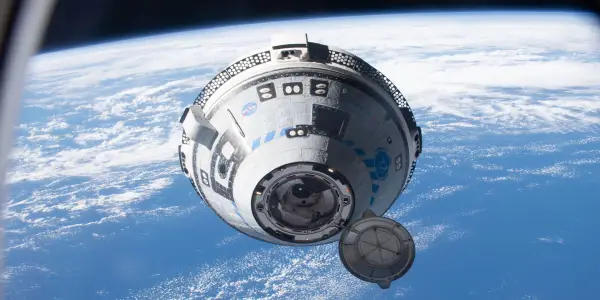
Boeing's Upcoming Starliner Mission Set for April...
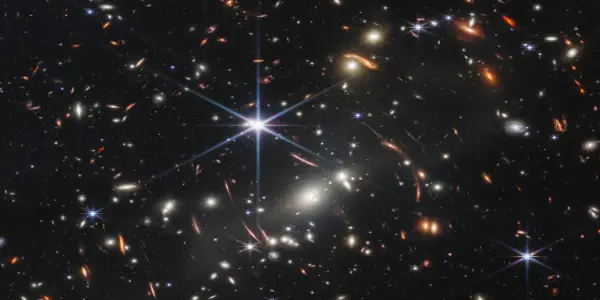
Ancient Galaxies: A Chaotic Early Universe...
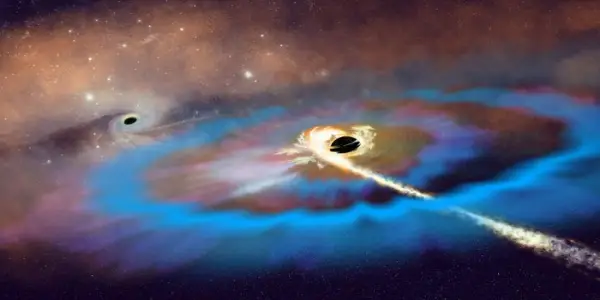
Astronomers Capture Unprecedented Black Hole...
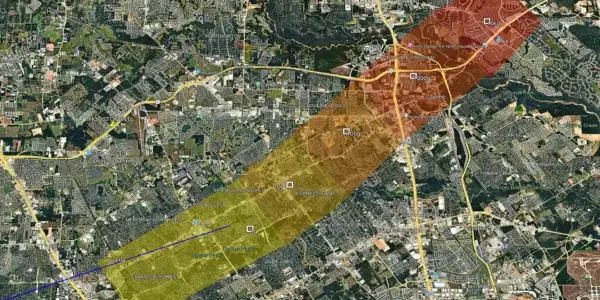
Meteorite Fragment May Have Impacted Houston Home
Russian Cosmonauts Conduct Extended Spacewalk to...
Exploring Alternatives to the Meta Quest 3 Elite...
Rogue Moons: A New Frontier for Life Beyond Stars

Satellite Imagery Highlights Hurricane Damage...

NASA Unveils New Images of Interstellar Comet...
Astronomers Identify Three Earth-Sized Exoplanets...
Italian Producer Plans Historic Film to Shoot in...

China's Mars Orbiter Captures Image of...

Samsung Galaxy S26 Expected to Feature Enhanced...