Exploring the Fragility and Wonder of Existence in Contemporary Life
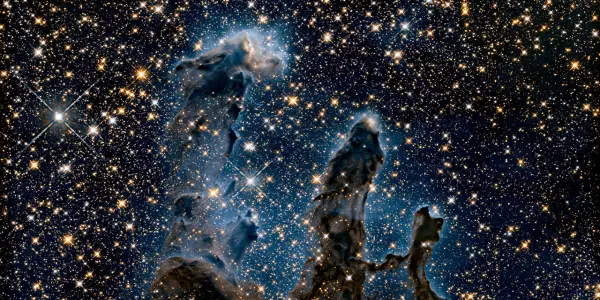
This article delves into the complexities of modern existence and the interplay between science and the human experience of mortality.
In-depth analysis
New discoveries
Recent reflections by physicist Alan Lightman reveal the staggering odds of individual existence, estimated at one in a hundred trillion. This insight emphasizes the extraordinary nature of life and prompts a deeper appreciation for our individual experiences within the vast continuum of history and civilization.
Mission updates
Lightman's essay in The Atlantic continues to provoke thought about the human condition, exploring themes of existence and the interplay between hope and reality.
Who is affected
Individuals grappling with existential challenges may find resonance in these discussions, as they reflect on their own lives and the broader implications of existence, fostering a collective awareness of our shared struggles and the miraculous nature of life.
Next steps
Encouraging a shift towards humility and gratitude may help individuals navigate modern complexities, promoting a deeper understanding of existence and fostering a renewed sense of wonder in everyday life.
Did you know?
Why we should care
Understanding our existential struggles is crucial in navigating daily life. These feelings of overwhelm can cloud our judgment and hinder emotional well-being. By recognizing the improbability of our existence, we can foster gratitude and humility. This shift in perspective can empower individuals to appreciate life's ordinary moments, enhancing connections with others and encouraging resilience in the face of adversity.
The universe's unsolved mystery
Despite advances in science and philosophy, the question of why we exist remains elusive. The odds of any individual being born are astronomically low, yet here we are, pondering our place in the cosmos. This invites deeper reflection on the nature of existence itself—what it means to be human in a universe that feels indifferent. Are we mere accidents, or is there a greater purpose waiting to be uncovered?
The person who looks at the stars
Meet Elena, a 34-year-old astrophysics teacher in a small town. Every night, she takes her telescope to a quiet hilltop, searching for answers in the stars. For her, stargazing is more than a hobby; it's a means of connecting with the vastness of existence. As she gazes at the cosmos, Elena reflects on her students’ daily struggles, reminding them of the improbability of life. Her passion instills a sense of wonder, encouraging them to dream beyond their immediate realities. In her classroom, she fosters gratitude and humility, using the stars as a metaphor for resilience. Through her lens, the universe transforms from a cold expanse into a source of inspiration and hope, shaping young minds to appreciate their unique place within the intricate tapestry of life.
Expert Commentary
Astronomers Identify Ancient Water in...
Hubble Telescope Unveils Enigmatic Galaxy NGC 2775
Young Canadian Astronomer Identifies Two...
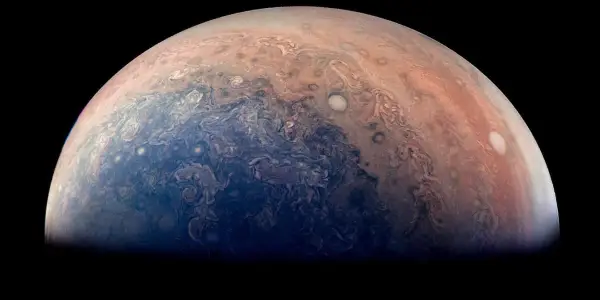
Discovery of a Planet Formation Zone Beyond...

X-Men Return to Education in Upcoming Comic...
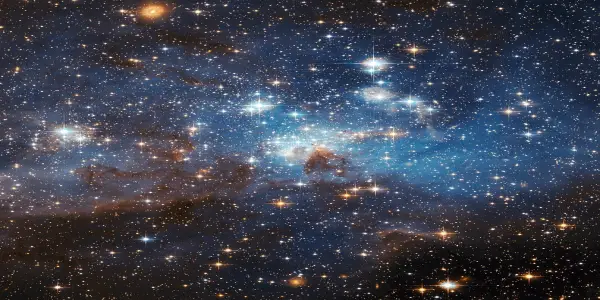
Mapping the Invisible: Astronomers Uncover Dark...
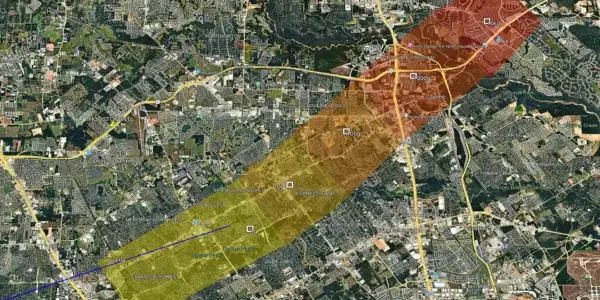
Meteorite Fragment May Have Impacted Houston Home
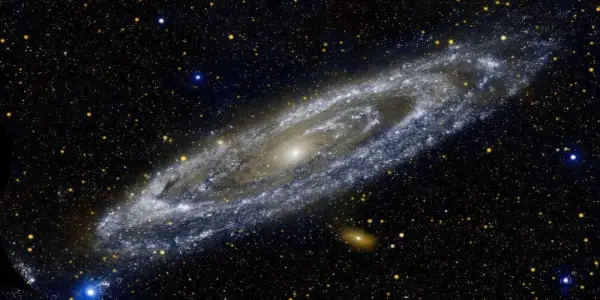
Andromeda Galaxy's Impact on Its Satellite...
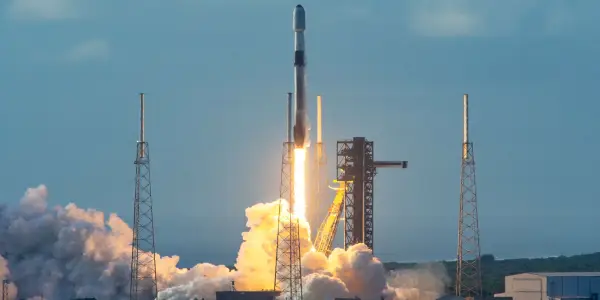
SpaceX Achieves Major Milestone with Launch of...
Recent Studies Explore Potential Exoplanet in...
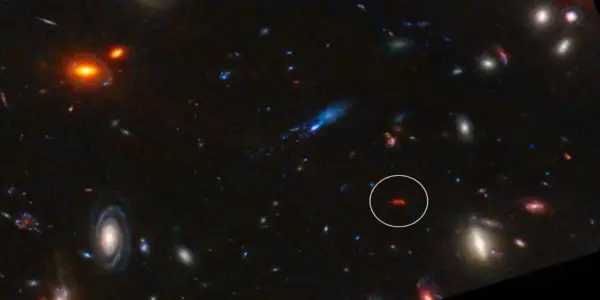
Astronomers Uncover a Rapid Star-Forming Galaxy...
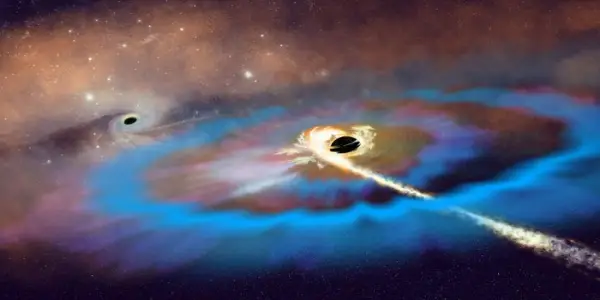
Astronomers Capture Unprecedented Black Hole...
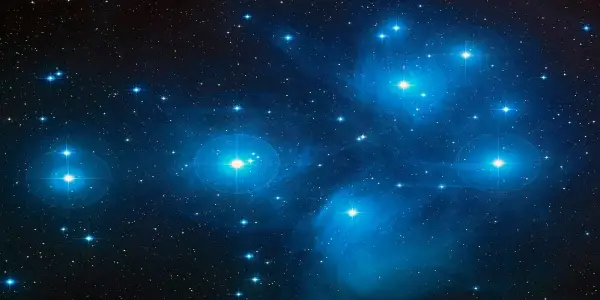
The Pleiades Star Cluster Reveals Its Extensive...

Astronomers Identify Three Earth-Sized Exoplanets...
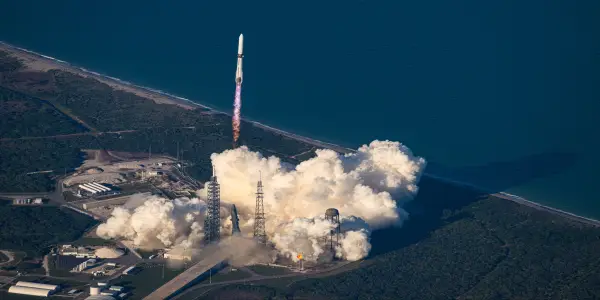
NASA and Blue Origin Successfully Launch Dual...
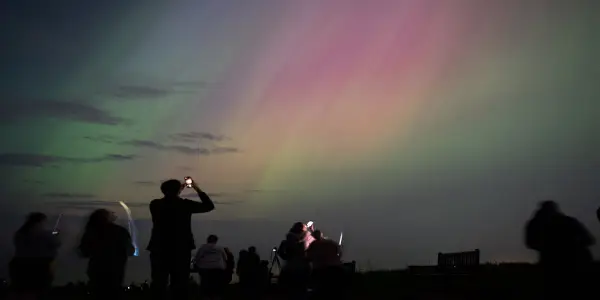
Intense Solar Storm May Illuminate Skies Across...
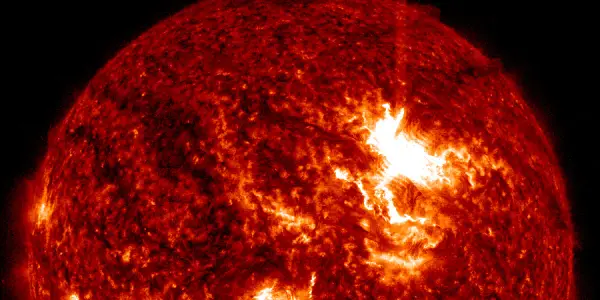
X5.1 Solar Flare Triggers G4 Geomagnetic Storm...
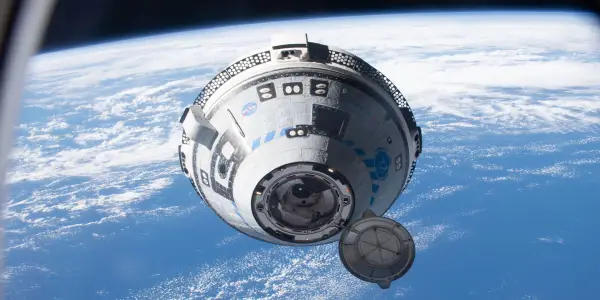
Boeing's Upcoming Starliner Mission Set for April...
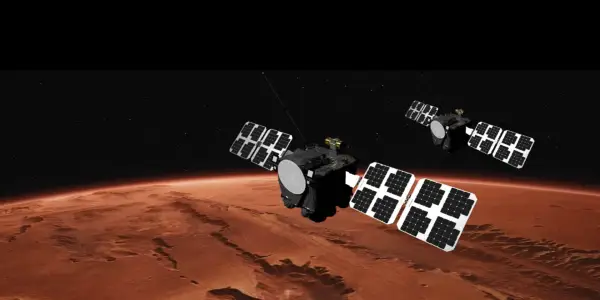
NASA's ESCAPADE Probes Set for Unique Journey to...
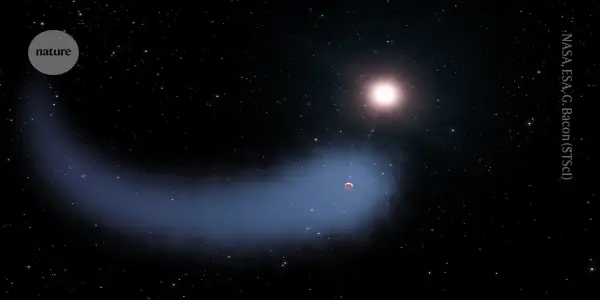
Collaboration Between Exoplanet Researchers and...

NASA's Artemis 3 Moon Mission Delayed to 2028 Due...
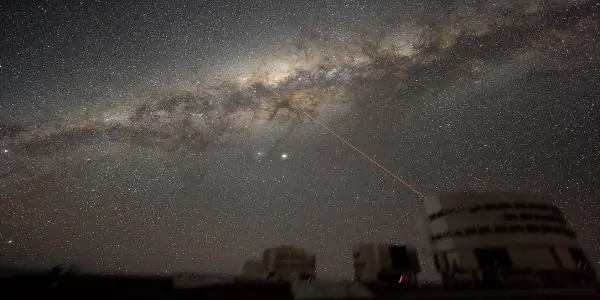
Breakthrough in Milky Way Simulation Using AI...
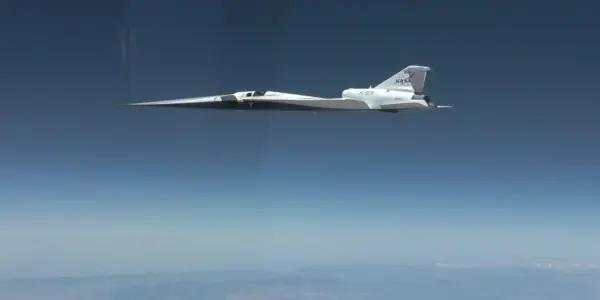
NASA's X-59 Achieves Historic Supersonic Flight
Fintech Founder Champions Innovation Through...

Samsung's Galaxy S26 Ultra Set for Significant...
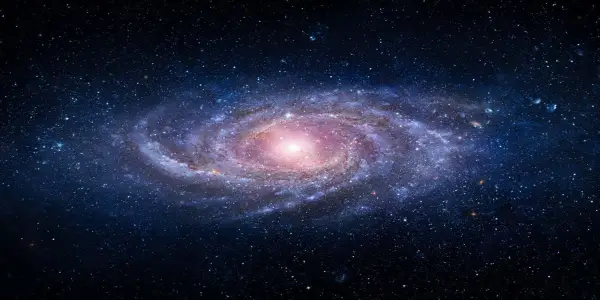
Potential Evidence of Dark Matter Emerges from...

Satellite Imagery Reveals Extensive Damage Across...

Samsung Unveils Unprecedented Black Friday Deal...

Jonathan Davies Urges England to Create New...

Jeff Bezos's AI Hardware Venture Takes Aim at...
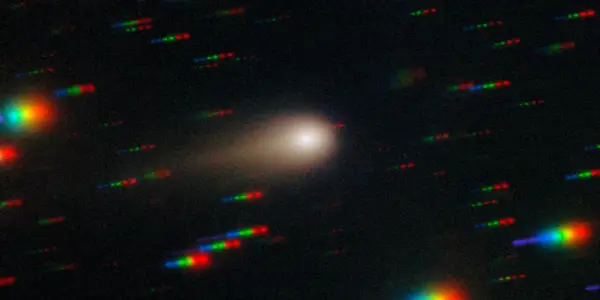
NASA's Campaign to Monitor Interstellar Comet...

OnePlus 15 vs. Samsung Galaxy S25 Plus: A Clash...
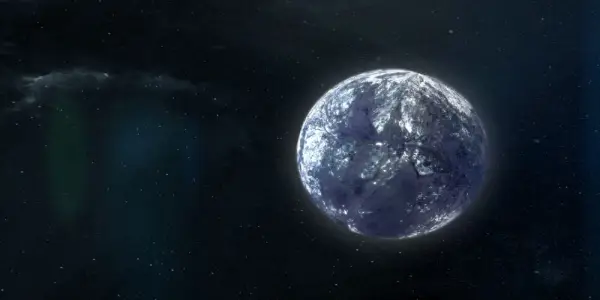
Rogue Moons: A New Frontier for Life Beyond Stars
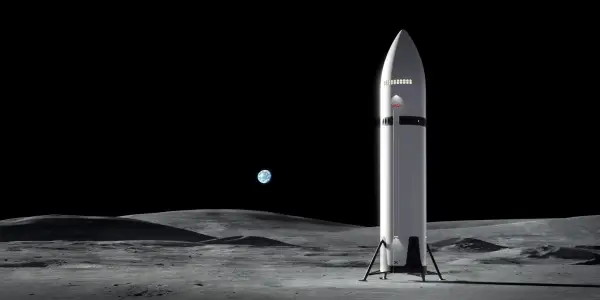
NASA Considers Reopening Bidding for Artemis 3...
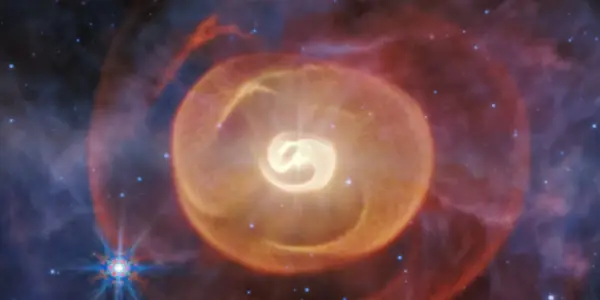
Webb Telescope Reveals Unprecedented Cosmic...
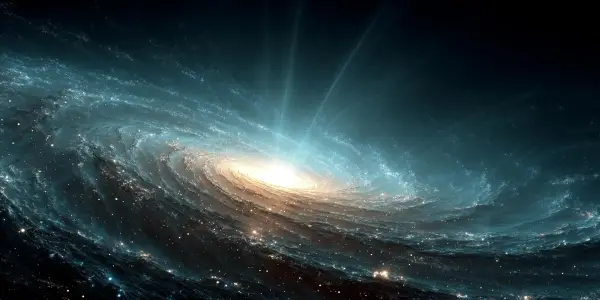
New Research Suggests Dark Matter Influences...
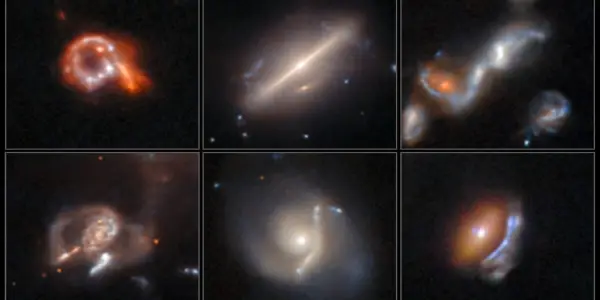
AI Reveals Over 800 New Cosmic Anomalies from...
Study Suggests the Universe's Expansion May Be...
Blue Origin Faces Major Setback as New Glenn...
Apple Introduces Emergency SOS via Satellite in...