Discovery of Galaxy-Killing Winds Provides Insight into Early Universe's Dead Galaxies
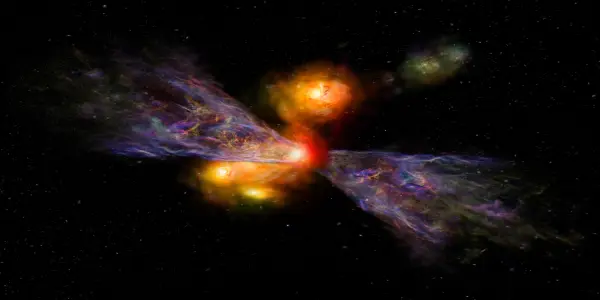
A newly identified 'galaxy-killing wind' offers explanations for the abundance of massive, inactive galaxies in the early universe, reshaping our understanding of cosmic evolution.
In-depth analysis
New discoveries
Recent astronomical research has identified a phenomenon termed a 'galaxy-killing wind,' which is crucial in explaining the prevalence of massive, inactive galaxies from the early universe. This wind, generated by intense star formation and cosmic collisions, rapidly depletes gas needed for star creation, offering insights into the lifecycle of galaxies post-Big Bang.
Mission updates
The study utilized the James Webb Space Telescope to examine the galaxy CRISTAL, located about one billion years after the Big Bang, revealing significant insights into cosmic evolution.
Who is affected
The findings impact astrophysicists and astronomers studying galaxy formation and evolution, as well as researchers focused on the early universe. Additionally, this research could influence theories regarding dark energy and its role in galaxy lifecycle dynamics.
Next steps
Following these discoveries, further observations are planned to investigate similar galaxies and their interactions. Continued research will refine models of galaxy evolution, enhancing understanding of cosmic history and the role of star formation.
Did you know?
Why we should care
Understanding cosmic phenomena like the 'galaxy-killing wind' helps illuminate the origins of our universe. It alters our perspective on galaxy evolution and the formation of stars, directly impacting our comprehension of the cosmos. This knowledge can foster advancements in technology and science, potentially influencing fields like astrophysics and even climate science here on Earth.
The universe's unsolved mystery
Despite the strides made in understanding galaxy evolution, the core question remains: why do some galaxies become inactive while others thrive? The 'galaxy-killing wind' offers a tantalizing clue, but its implications raise further questions about the balance between creation and destruction in the universe's lifecycle. This mystery continues to challenge our grasp of cosmic dynamics.
The person who looks at the stars
Liam Patel, a high school astronomy teacher in a small town, often takes his students outside for nighttime stargazing. As they gaze at the cosmos, he emphasizes the stories behind the stars and galaxies. Recently, he shared the findings about CRISTAL with his class, sparking excitement and curiosity. Liam believes that understanding phenomena like the 'galaxy-killing wind' not only enhances their knowledge but also inspires a sense of wonder about their place in the universe. For Liam, each lesson is a chance to connect young minds to the vast, intricate tapestry of existence, nurturing future scientists and dreamers.
Expert Commentary
Astronomers Identify Ancient Water in...
Hubble Telescope Unveils Enigmatic Galaxy NGC 2775
Young Canadian Astronomer Identifies Two...
Discovery of a Planet Formation Zone Beyond...
X-Men Return to Education in Upcoming Comic...
Mapping the Invisible: Astronomers Uncover Dark...
Meteorite Fragment May Have Impacted Houston Home
Andromeda Galaxy's Impact on Its Satellite...
SpaceX Achieves Major Milestone with Launch of...
Recent Studies Explore Potential Exoplanet in...
Astronomers Uncover a Rapid Star-Forming Galaxy...
Astronomers Capture Unprecedented Black Hole...
The Pleiades Star Cluster Reveals Its Extensive...
Astronomers Identify Three Earth-Sized Exoplanets...
NASA and Blue Origin Successfully Launch Dual...
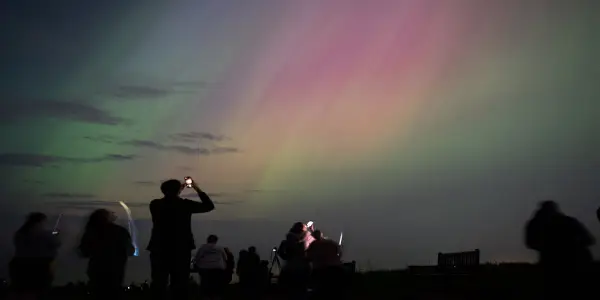
Intense Solar Storm May Illuminate Skies Across...
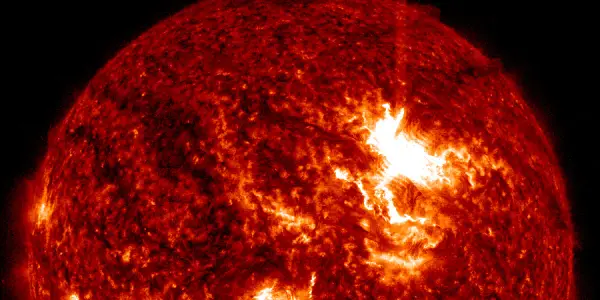
X5.1 Solar Flare Triggers G4 Geomagnetic Storm...
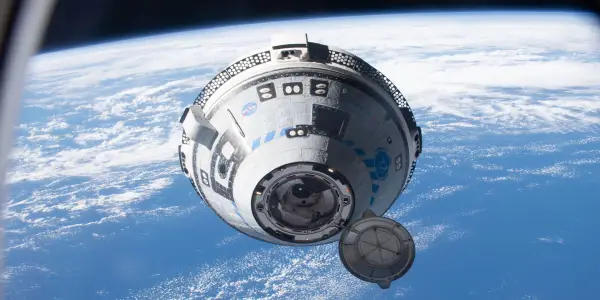
Boeing's Upcoming Starliner Mission Set for April...
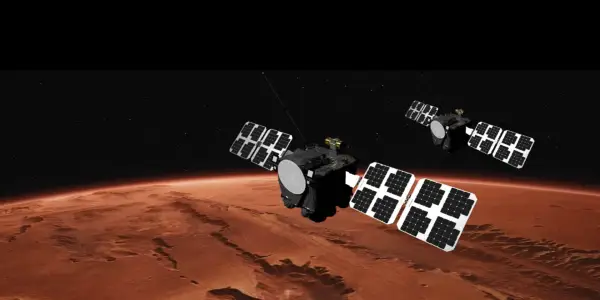
NASA's ESCAPADE Probes Set for Unique Journey to...
Collaboration Between Exoplanet Researchers and...
NASA's Artemis 3 Moon Mission Delayed to 2028 Due...
Breakthrough in Milky Way Simulation Using AI...
NASA's X-59 Achieves Historic Supersonic Flight
Fintech Founder Champions Innovation Through...

Samsung's Galaxy S26 Ultra Set for Significant...
Potential Evidence of Dark Matter Emerges from...

Satellite Imagery Reveals Extensive Damage Across...

Samsung Unveils Unprecedented Black Friday Deal...

Jonathan Davies Urges England to Create New...

Jeff Bezos's AI Hardware Venture Takes Aim at...
NASA's Campaign to Monitor Interstellar Comet...

OnePlus 15 vs. Samsung Galaxy S25 Plus: A Clash...
Rogue Moons: A New Frontier for Life Beyond Stars
NASA Considers Reopening Bidding for Artemis 3...
Webb Telescope Reveals Unprecedented Cosmic...
New Research Suggests Dark Matter Influences...
AI Reveals Over 800 New Cosmic Anomalies from...
Study Suggests the Universe's Expansion May Be...
Blue Origin Faces Major Setback as New Glenn...
Apple Introduces Emergency SOS via Satellite in...