NASA's X-59 Demonstrates Advanced Maneuvers in Latest Supersonic Flight Tests
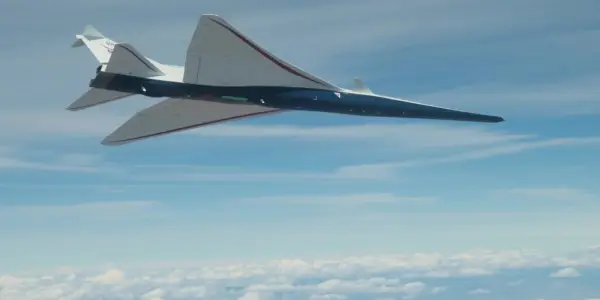
NASA's X-59 jet undergoes rigorous testing in the Mojave Desert, paving the way for quieter supersonic travel over land.
In-depth analysis
New discoveries
NASA's X-59 aircraft has made significant strides in reducing sonic boom noise, transitioning from traditional disruptive sounds to a quieter sonic thump. This advancement is pivotal for future supersonic travel, as it could enable flights over land without the noise pollution that has historically limited such operations.
Mission updates
The X-59 has recently undergone a series of flight tests in California, focusing on its aerodynamic stability and control through complex maneuvers, further refining its design and performance capabilities.
Who is affected
The potential success of the X-59's quieter flight technology could impact various stakeholders, including commercial airlines, aviation regulators, and communities living near flight paths, who have historically been concerned about noise pollution from supersonic jets.
Next steps
Following the recent testing phase, NASA plans to conduct flights over selected communities to gauge public reaction to the X-59’s noise levels, a crucial step toward potentially lifting existing flight restrictions.
Did you know?
Why we should care
The X-59's flight tests could revolutionize how we travel, making long-distance flights faster and more convenient. Imagine cutting hours off your journey without the fear of disruptive sonic booms overhead. This technology promises not only to reshape air travel but also to enhance global connectivity, impacting everything from business to tourism. As communities weigh in on noise levels, public sentiment will play a crucial role in determining the future of supersonic travel.
The universe's unsolved mystery
The quest for quieter supersonic travel encapsulates a broader challenge: balancing innovation with environmental and social responsibility. As aerospace engineers push technological boundaries, they must also navigate the complexities of public perception and regulatory frameworks. The X-59 stands at the intersection of these issues, representing hope for a more efficient future while reminding us that progress must be inclusive and considerate of community impacts.
The person who looks at the stars
Meet Clara, a 36-year-old aerospace engineer who has spent the last decade dreaming of quieter skies. Growing up in a small town near an airbase, she remembers the disruptive booms that shattered the calm of summer nights. Now, as part of the team behind the X-59, Clara feels a profound connection to her childhood dreams. Each successful test flight brings her closer to a world where families can travel without the sonic interruptions she once dreaded. For her, this isn't just about engineering; it's about creating a future where innovation harmonizes with the serenity of everyday life.
Expert Commentary

X-Men Return to Education in Upcoming Comic...
Charlotte: The Lunar 3D Printer Poised to...
ISS Crew Takes Precautions Against Radiation...
Blue Origin Faces Major Setback as New Glenn...

European Space Agency Unveils Stunning Radar...

NASA's Campaign to Monitor Interstellar Comet...

Astrophotographer Captures Stunning Image of...
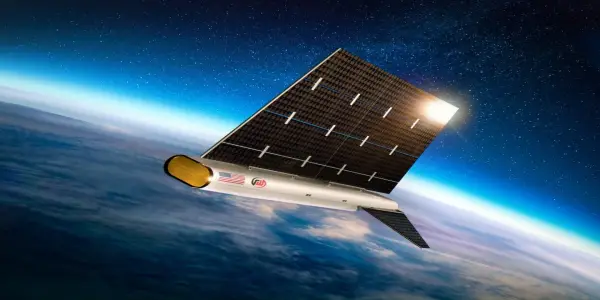
SabreSat: An Innovative Air-Breathing Satellite...
Study Suggests the Universe's Expansion May Be...

New Research Suggests Dark Matter Influences...

NASA's Ambitious Timeline for Human Exploration...
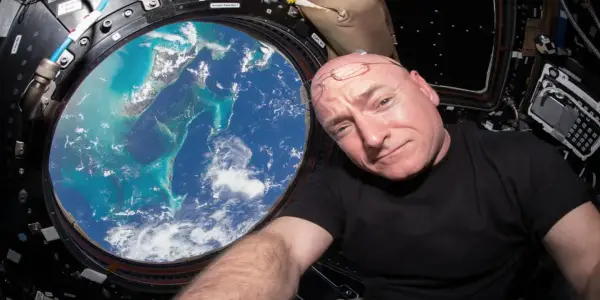
Italian Producer Plans Historic Film to Shoot in...

Ancient Galaxies: A Chaotic Early Universe...

Satellite Imagery Highlights Hurricane Damage...
Unistellar eQuinox 2 Smart Telescope Sees...
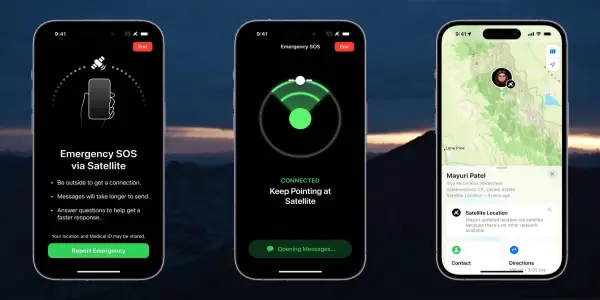
Apple Introduces Emergency SOS via Satellite in...

Discovery of a Planet Formation Zone Beyond...
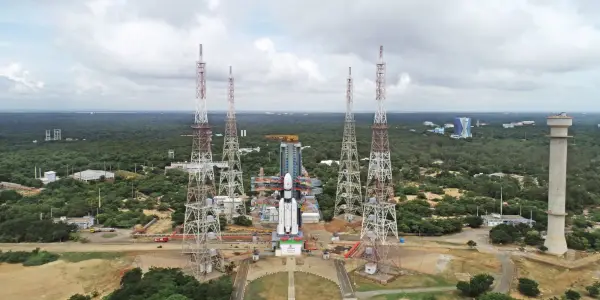
India Successfully Launches CMS-03 Military...
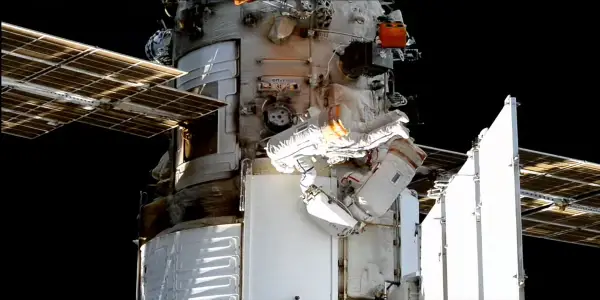
Russian Cosmonauts Conduct Extended Spacewalk to...

Rogue Moons: A New Frontier for Life Beyond Stars

Childcare Crisis: Families Struggle as...

James Webb Telescope Identifies Rapidly Growing...

Unusual Wind from Neutron Star Challenges Space...
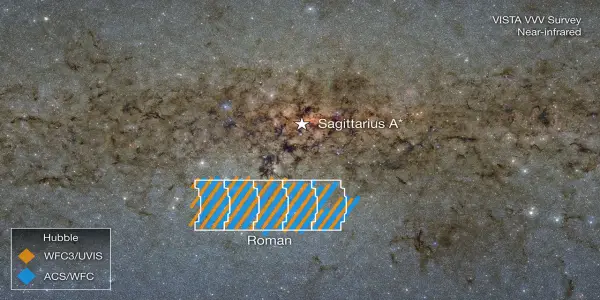
Fintech Founder Champions Innovation Through...

Intense Solar Storms Could Ignite Life on...

Astrophysicists Unveil Dark Universe Through...

Samsung Unveils Unprecedented Black Friday Deal...
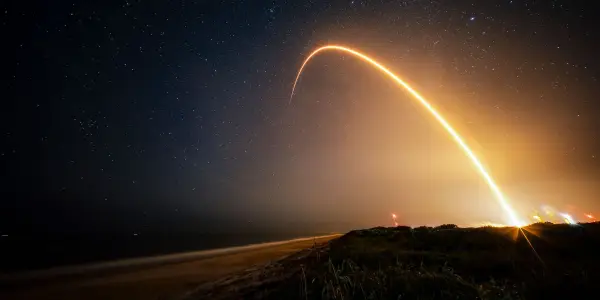
SpaceX Achieves 150th Falcon 9 Launch with...
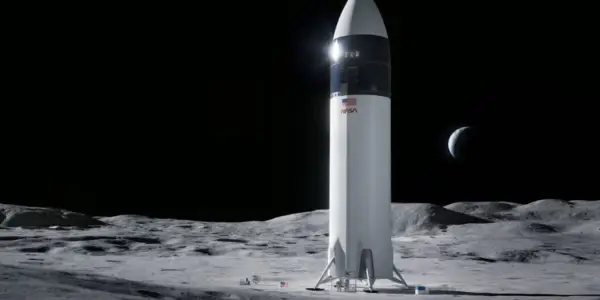
SpaceX Faces Challenges in Meeting NASA's 2027...
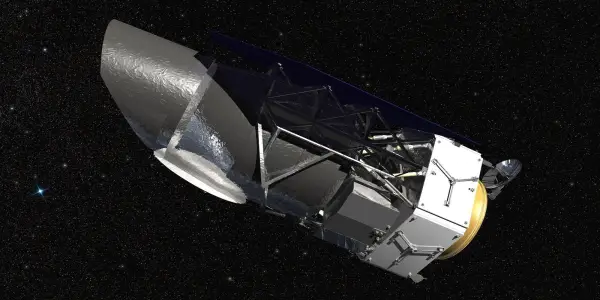
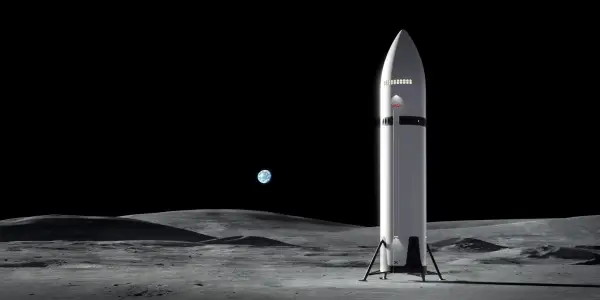
NASA Considers Reopening Bidding for Artemis 3...

Astronomers Uncover Evidence of Aging Stars...
Unraveling the Mysteries of Mars: Recent...
Astronauts aboard the ISS Capture Stunning Images...

Top Black Friday Smartwatch Deals Worth...
Potential Alien Disclosure May Trigger Bitcoin...

Jonathan Davies Urges England to Create New...
Hawaiian Students Honor Gemini North Telescope's...

Jeff Bezos's AI Hardware Venture Takes Aim at...