NASA's Artemis 2 Mission to Utilize Shuttle Engines for Lunar Return
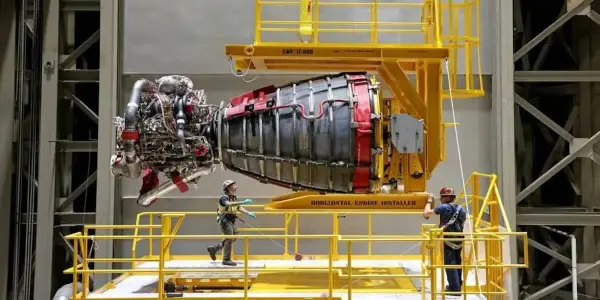
NASA's Artemis 2 mission is set to launch astronauts back to lunar orbit using upgraded Space Shuttle engines. Targeted for February 6, 2024, this historic v...
In-depth analysis
New discoveries
The Artemis 2 mission represents a significant leap in lunar exploration, integrating advanced technology with legacy components. Notably, the RS-25 engines, which have a storied history, will be crucial in demonstrating the SLS's capabilities, potentially unveiling new insights into both lunar environments and the engineering challenges of deep space travel.
Mission updates
NASA has rolled out the Space Launch System to Kennedy Space Center, with the Artemis 2 mission scheduled for launch on February 6, 2024. This mission follows the successful uncrewed Artemis 1, setting the stage for crewed lunar exploration.
Who is affected
The Artemis 2 mission will impact various stakeholders, including astronauts, engineers, and scientists involved in lunar research. Additionally, the aerospace industry may see advancements in technology and collaboration opportunities, influencing future exploration initiatives and commercial space ventures.
Next steps
Following the launch, NASA will closely monitor the performance of the RS-25 engines during Artemis 2. The data collected will inform future missions, ensuring the SLS meets the demands of sustained human presence on the Moon and beyond.
Did you know?
Why we should care
The Artemis 2 mission represents not just a leap for space exploration, but also a reflection of our technological resilience. As NASA prepares to send astronauts back to the Moon, it opens doors for advancements in science, engineering, and even everyday technology. The innovations developed through this mission could lead to breakthroughs in areas like telecommunications, materials science, and even climate monitoring, impacting daily life and economic growth.
The universe's unsolved mystery
While the Artemis 2 mission aims to explore lunar orbit, it also poses a deeper question: what lies beyond our current understanding of space? As we venture further, the mysteries of dark matter and the potential for extraterrestrial life linger, urging humanity to expand its horizons. Each mission carries the weight of discovery, not just in technology, but in unraveling the universe’s secrets.
The person who looks at the stars
Meet Emma Rodriguez, a 12-year-old aspiring astronaut from Houston. Every night, she gazes at the stars, imagining what it would be like to walk on the Moon. Her fascination grew as she learned about NASA’s Artemis program in school, inspiring her to dream bigger. For Emma, the Artemis 2 mission is more than just a launch; it’s a beacon of hope that ignites her passion for space exploration. She often sketches rocket designs and writes letters to astronauts, eager to contribute to humanity's journey into the cosmos. Emma’s dreams reflect a generation poised to reach new heights, and her excitement taps into the universal desire to explore the unknown.
Potential Evidence of Dark Matter Emerges from...
Webb Telescope Reveals Unprecedented Cosmic...
Apple Introduces Emergency SOS via Satellite in...
New Simulations Shed Light on the Enigmatic...
Charlotte: The Lunar 3D Printer Poised to...

Top Black Friday Smartwatch Deals Worth...
NASA's Campaign to Monitor Interstellar Comet...
Boeing's Upcoming Starliner Mission Set for April...
Ancient Galaxies: A Chaotic Early Universe...
NASA and Blue Origin Successfully Launch Dual...

OnePlus 15 vs. Samsung Galaxy S25 Plus: A Clash...
Exploring the Composition of Cosmic Voids
Potential Alien Disclosure May Trigger Bitcoin...
NASA's ESCAPADE Probes Set for Unique Journey to...
X5.1 Solar Flare Triggers G4 Geomagnetic Storm...
James Webb Telescope Identifies Rapidly Growing...

This Week In Space Podcast: Episode 187 Explores...

FULU Foundation Introduces Repair Bounty System...
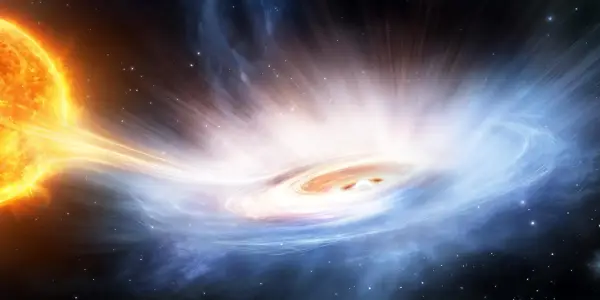
Unusual Wind from Neutron Star Challenges Space...
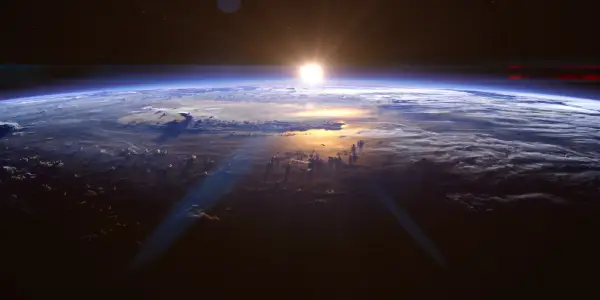
Portal Systems Aims to Revolutionize Spacecraft...
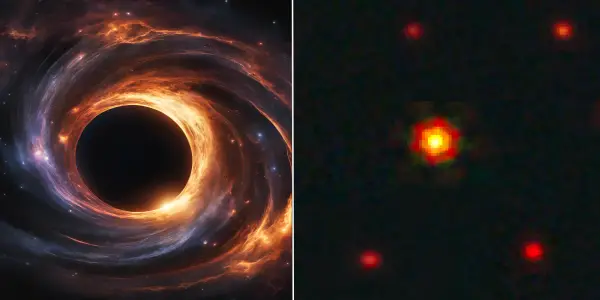
James Webb Space Telescope Discovers Ancient...
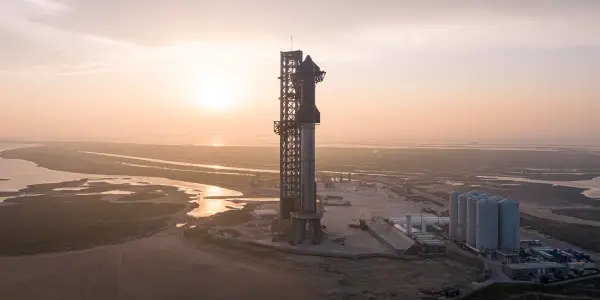
NASA's Artemis 3 Moon Mission Delayed to 2028 Due...
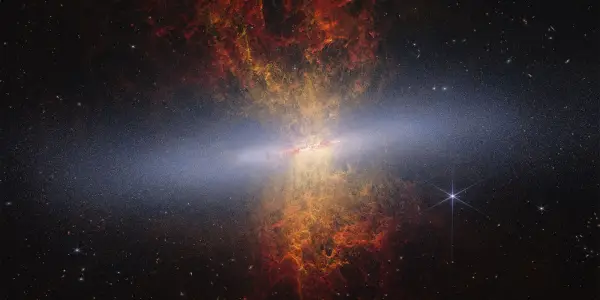
James Webb Space Telescope Captures Stunning...
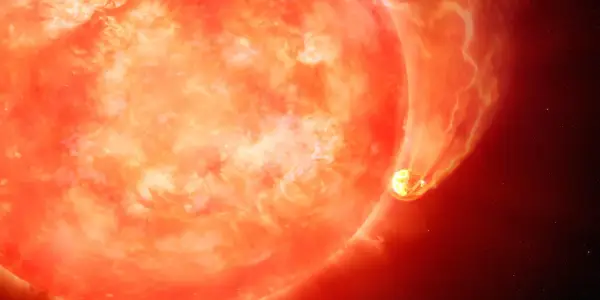
Astronomers Uncover Evidence of Aging Stars...
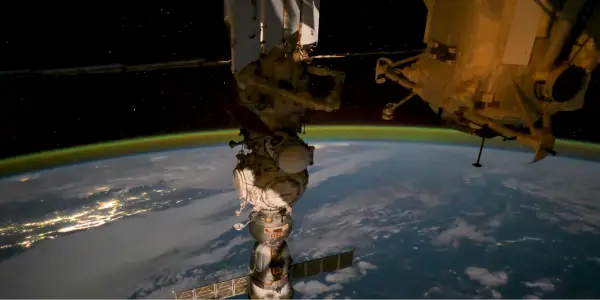
ISS Crew Takes Precautions Against Radiation...
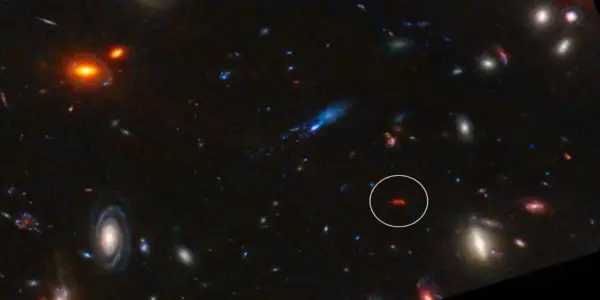
Astronomers Uncover a Rapid Star-Forming Galaxy...
China's Mars Orbiter Captures Image of...

Samsung's Galaxy S26 Ultra Set for Significant...
Mapping the Invisible: Astronomers Uncover Dark...

X-Men Return to Education in Upcoming Comic...
The Pleiades Star Cluster Reveals Its Extensive...
NASA and European Partners Prepare for...

Foundation Season 3 Hints at Deeper Asimov Themes...

Daily Roundup: November 10, 2025 – Advancements...

Urwerk Unveils Limited-Edition 100V 'LightSpeed'...
Astronauts aboard the ISS Capture Stunning Images...
India Successfully Launches CMS-03 Military...
James Webb Space Telescope May Have Detected the...
Rogue Moons: A New Frontier for Life Beyond Stars