Mitigating the Threat of Asteroid Impacts on Earth
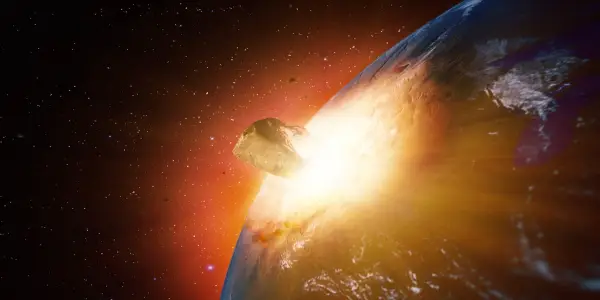
With a myriad of celestial objects potentially endangering Earth, experts explore strategies to prevent catastrophic asteroid collisions.
In-depth analysis
New discoveries
Recent observations have underscored the persistent risk of asteroid impacts, with astronomers detecting a 1,000-foot asteroid that narrowly missed Earth. This incident highlights the need for ongoing vigilance and research into near-Earth objects (NEOs), emphasizing that even smaller celestial bodies can pose serious threats to our planet's safety.
Mission updates
NASA's successful kinetic impactor test marks a significant milestone in planetary defense efforts, demonstrating that proactive measures against asteroids are achievable. This advancement is crucial for developing strategies to safeguard Earth from potential cosmic collisions.
Who is affected
The threat of asteroid impacts extends beyond scientists and policymakers, as entire populations could face catastrophic consequences in the event of a collision. Communities located near potential impact zones are particularly vulnerable, highlighting the urgent need for effective planetary defense measures.
Next steps
Future efforts will focus on refining asteroid deflection techniques and fostering international collaboration. Addressing geopolitical challenges will be essential to ensure that nations can work together effectively in mitigating the risks posed by near-Earth objects.
Did you know?
Why we should care
The threat of asteroid impacts is not just a topic for scientists; it has real implications for everyday life. Consider the potential chaos of a city like New York or Tokyo facing a catastrophic event from a near-Earth object. The financial, emotional, and infrastructural damage would ripple through communities, affecting everything from local businesses to global markets. Understanding this risk fosters awareness and drives support for planetary defense initiatives that could safeguard our future.
The universe's unsolved mystery
Despite advancements in astronomy, the universe still holds secrets that challenge our understanding of time and space. One pressing mystery is the origin of asteroids and their role in the evolution of planets. By unraveling these cosmic puzzles, scientists may unlock insights into not just our solar system's history, but also the potential for life beyond Earth, raising questions about our place in the vast universe.
The person who looks at the stars
In a quiet town in New Hampshire, 12-year-old Mia spends her evenings stargazing with her grandfather, who once worked as an aerospace engineer. Each night, they marvel at constellations, but Mia's curiosity goes deeper—she understands that the very rocks floating in space could pose a threat to Earth. Her grandfather explains how scientists are working to protect their planet from these celestial dangers, igniting Mia's passion for astronomy and planetary defense. She dreams of one day developing technology to divert asteroids, hoping to ensure that future generations can gaze at the stars without fear. For Mia, the night sky is not just a canvas of wonder, but a call to action that connects her to a larger mission of safeguarding humanity.
Expert Commentary

Meteorite Fragment May Have Impacted Houston Home
Astronomers Identify Potential Earth-Like...
Collaboration Between Exoplanet Researchers and...

OnePlus 15 vs. Samsung Galaxy S25 Plus: A Clash...
NASA and Blue Origin Successfully Launch Dual...
Discovery of a Planet Formation Zone Beyond...
Artemis 2 Astronauts Safely Return After Historic...
Andromeda Galaxy's Impact on Its Satellite...
Rogue Moons: A New Frontier for Life Beyond Stars
Astronomers Discover Ancient White Dwarf Actively...
James Webb Space Telescope Discovers Ancient...
NASA's Artemis 3 Moon Mission Delayed to 2028 Due...
Ancient Galaxies: A Chaotic Early Universe...
AI Reveals Over 800 New Cosmic Anomalies from...

Top Black Friday Smartwatch Deals Worth...
Highlights of 2025 in Space Exploration: From...

Samsung Galaxy S26 Expected to Feature Enhanced...
Potential Alien Disclosure May Trigger Bitcoin...
Boeing's Upcoming Starliner Mission Set for April...
James Webb Space Telescope May Have Detected the...

Daily Roundup: November 10, 2025 – Advancements...
Exploring the Composition of Cosmic Voids

Jeff Bezos's AI Hardware Venture Takes Aim at...
New Research Suggests Dark Matter Influences...

Jonathan Davies Urges England to Create New...
Potential Evidence of Dark Matter Emerges from...
Astronomers Uncover Evidence of Aging Stars...
Webb Telescope Reveals Unprecedented Cosmic...
Italian Producer Plans Historic Film to Shoot in...

Innovative Portable Reflecting Telescope...
Hawaiian Students Honor Gemini North Telescope's...
Assessing the Financial Impact of NASA's Apollo...
Astronauts aboard the ISS Capture Stunning Images...

X-Men Return to Education in Upcoming Comic...
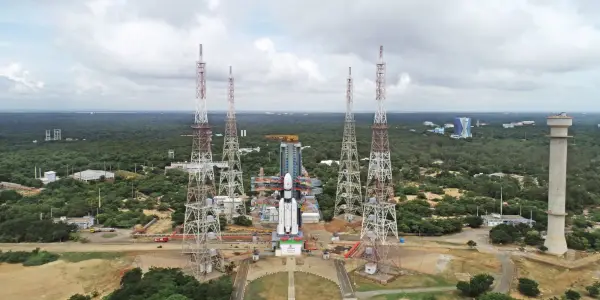
India Successfully Launches CMS-03 Military...
Astrophysicists Unveil Dark Universe Through...
Study Suggests the Universe's Expansion May Be...
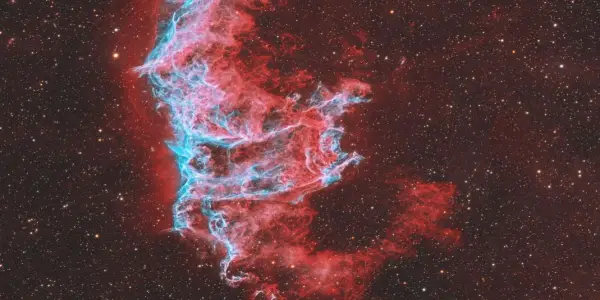
Astrophotographer Captures Stunning Image of...