Rogue Moons: A New Frontier for Life Beyond Stars
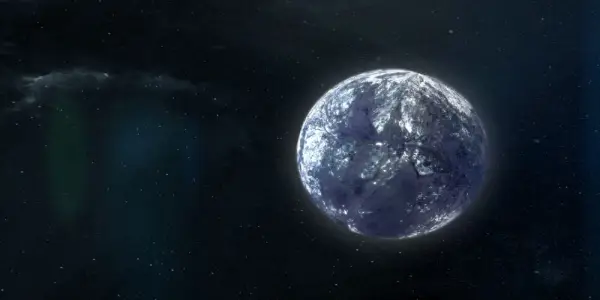
Recent research explores the potential for life on moons orbiting rogue planets, which have been ejected from their solar systems, revealing new insights into habitability in the cosmos.
In-depth analysis
New discoveries
Researchers have uncovered the potential for life on the moons of rogue planets, shifting the focus from the planets themselves. This study reveals that moons can maintain habitable conditions due to tidal heating, even in the absence of a host star. The concept of 'urability' introduces a new framework for assessing extraterrestrial life in interstellar environments.
Mission updates
Upcoming missions, including the Nancy Grace Roman Telescope and the Vera Rubin Observatory, are set to investigate rogue moons. These advancements aim to enhance our understanding of these celestial bodies and their potential for hosting life.
Who is affected
The findings impact the field of astrobiology, altering the search parameters for extraterrestrial life. Scientists and researchers are encouraged to expand their criteria for habitability, considering environments beyond traditional star-bound systems, which could lead to a reevaluation of life's potential in the universe.
Next steps
Researchers plan to conduct further simulations to refine their understanding of moon stability and habitability in various cosmic scenarios. This ongoing work aims to provide deeper insights into the conditions that could support life on these distant moons.
Did you know?
Why we should care
Understanding the potential for life on rogue moons could reshape our view of habitability in the universe. For everyday life, this research stirs imagination about our place in the cosmos, prompting questions about what life could exist beyond the familiar. It suggests that survival might not depend solely on warmth from a star, opening new avenues for exploration and even future space missions.
The universe's unsolved mystery
The enduring question of whether life exists beyond Earth takes on new dimensions with this study. If moons orbiting rogue planets can maintain conditions for life, it challenges the prevailing belief that extraterrestrial life is only found in star-rich environments. This mystery beckons further investigation, potentially redefining our cosmic expectations.
The person who looks at the stars
Meet Clara, a 12-year-old girl from a small town who spends her nights stargazing with her grandfather. Her eyes light up as she points out constellations, but her dreams extend beyond our solar system. Inspired by recent scientific discoveries, Clara imagines what it would be like to discover life on a distant moon. Her curiosity reflects a broader human desire to connect with the universe, urging scientists to pursue these tantalizing possibilities. Each night, as she looks up, she sees not just stars, but potential homes for life, reminding us that the search for the unknown is a shared journey that sparks wonder across generations.
Interstellar Comet 3I/ATLAS Approaches...
Portal Systems Aims to Revolutionize Spacecraft...
NASA's Campaign to Monitor Interstellar Comet...

Top Black Friday Smartwatch Deals Worth...
Italian Producer Plans Historic Film to Shoot in...
James Webb Space Telescope May Have Detected the...
Exploring the Composition of Cosmic Voids
Astronomers Uncover a Rapid Star-Forming Galaxy...
NASA Considers Reopening Bidding for Artemis 3...

European Space Agency Unveils Stunning Radar...

Urwerk Unveils Limited-Edition 100V 'LightSpeed'...
Astrophotographer Captures Stunning Image of...

This Week In Space Podcast: Episode 187 Explores...
Andromeda Galaxy's Impact on Its Satellite...
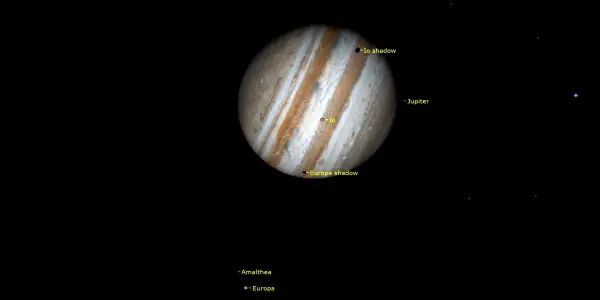
Jupiter's Moons Io and Europa to Cast Shadows...

NASA's X-59 Achieves Historic Supersonic Flight

Satellite Imagery Highlights Hurricane Damage...
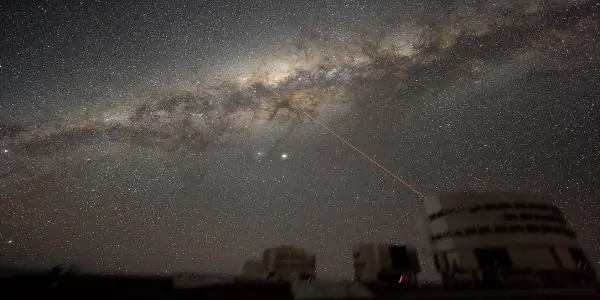
Breakthrough in Milky Way Simulation Using AI...
Unistellar eQuinox 2 Smart Telescope Sees...
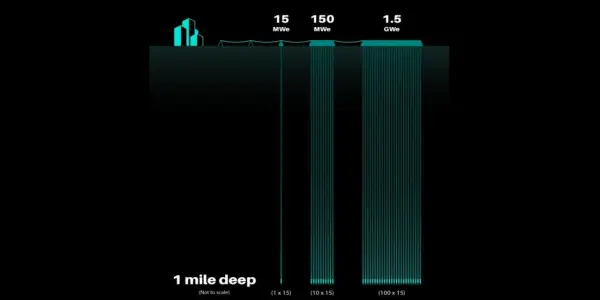
Deep Fission Proposes Underground Nuclear...
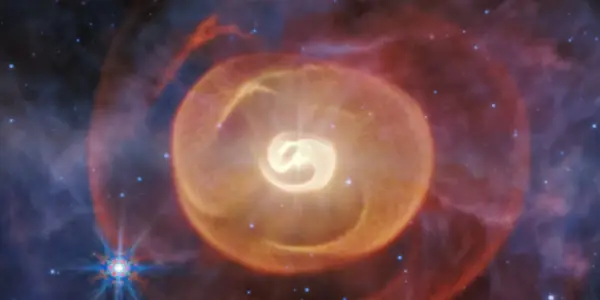
Webb Telescope Reveals Unprecedented Cosmic...
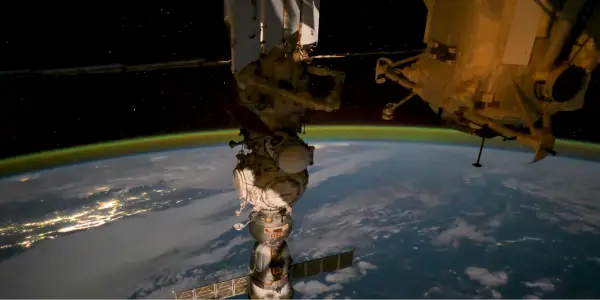
ISS Crew Takes Precautions Against Radiation...

Exploring Alternatives to the Meta Quest 3 Elite...
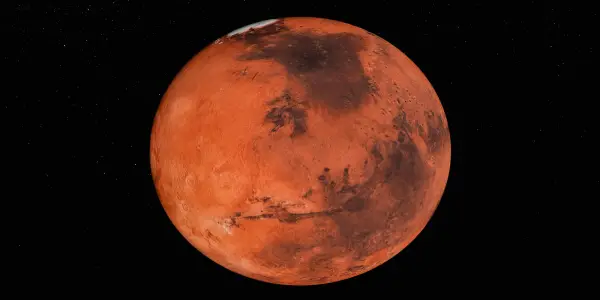
NASA's Ambitious Timeline for Human Exploration...
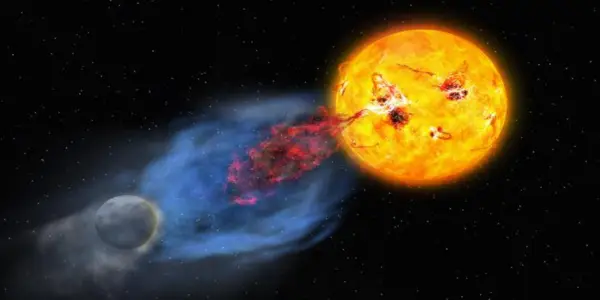
Intense Solar Storms Could Ignite Life on...
The Impact of Space Technology on Everyday Life
Highlights of 2025 in Space Exploration: From...
NASA's Artemis 3 Moon Mission Delayed to 2028 Due...

The Pleiades Star Cluster Reveals Its Extensive...
Discovery of a Planet Formation Zone Beyond...
Astronomers Uncover Evidence of Aging Stars...
Fintech Founder Champions Innovation Through...
Potential Evidence of Dark Matter Emerges from...
NASA and European Partners Prepare for...
SpaceX Achieves 150th Falcon 9 Launch with...
Rogue Moons: A New Frontier for Life Beyond Stars
New Mexico Startup Unveils Ambitious Plan to...
NASA's ESCAPADE Probes Set for Unique Journey to...
Astronomers Identify Potential Earth-Like...