Interstellar Comet 3I/ATLAS Approaches Perihelion, Promising Spectacular Observations
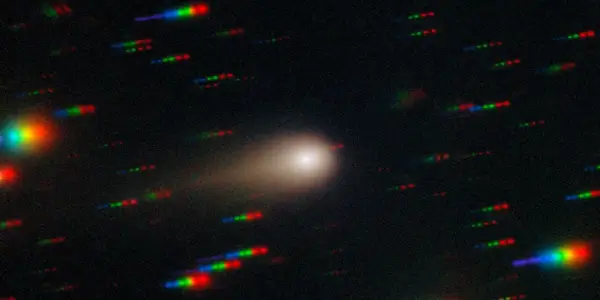
The interstellar comet 3I/ATLAS is nearing perihelion on October 29, offering a rare chance to observe its stunning tail and coma as it approaches the Sun.
In-depth analysis
New discoveries
The approach of comet 3I/ATLAS has sparked excitement among astronomers, as it presents a rare opportunity to study an interstellar object. Recent observations reveal its developing tail and coma, indicating the effects of solar radiation on its icy core. These phenomena could provide insights into the composition and behavior of celestial materials from beyond our solar system.
Mission updates
NASA has confirmed the trajectory of 3I/ATLAS, highlighting its status as one of the largest and fastest interstellar objects recorded. The comet's perihelion is set for October 29, marking a critical point in its journey through the inner solar system.
Who is affected
The scientific community, particularly those in planetary science and cosmic exploration, stands to benefit significantly from the observations of 3I/ATLAS. Its unique characteristics and rarity will enhance research efforts aimed at understanding interstellar materials and the broader dynamics of the galaxy.
Next steps
Following its perihelion, 3I/ATLAS will embark on a months-long journey away from the Sun. Astronomers plan to intensify observations in early November as the comet becomes increasingly visible, aiming to gather critical data on its composition and behavior.
Did you know?
Why we should care
The approach of comet 3I/ATLAS is a rare event that connects us to the universe's origins. As it nears the Sun, the changes it undergoes can provide insights into the building blocks of our solar system and beyond. Understanding these celestial visitors can enrich our knowledge of cosmic history and inspire curiosity about our place in the universe, making the night sky more than just a backdrop to our lives.
The universe's unsolved mystery
Despite advancements in astronomy, the true nature of interstellar objects like 3I/ATLAS remains enigmatic. Their origins could hold keys to understanding planetary formation and the conditions of alien star systems. Each comet serves as a cosmic time capsule, inviting scientists to unravel the secrets of matter and energy from distant realms, challenging our grasp of the universe's vast complexities.
The person who looks at the stars
Maya Tran, a 34-year-old science teacher in a small town, often takes her students to a local observatory. Her fascination with the cosmos sparked during a childhood visit to a planetarium, where she first learned about interstellar objects. With the approach of 3I/ATLAS, she plans a special night under the stars, hoping to ignite the same wonder in her students. For Maya, each comet is a reminder that we are part of a larger narrative—one that transcends time and space. This connection to the cosmos not only fuels her passion for teaching but also inspires her students to dream beyond the confines of Earth.
Interstellar Comet 3I/ATLAS Approaches...

Portal Systems Aims to Revolutionize Spacecraft...
NASA's Campaign to Monitor Interstellar Comet...

Top Black Friday Smartwatch Deals Worth...
Italian Producer Plans Historic Film to Shoot in...
James Webb Space Telescope May Have Detected the...
Exploring the Composition of Cosmic Voids

Astronomers Uncover a Rapid Star-Forming Galaxy...
NASA Considers Reopening Bidding for Artemis 3...

European Space Agency Unveils Stunning Radar...

Urwerk Unveils Limited-Edition 100V 'LightSpeed'...
Astrophotographer Captures Stunning Image of...

This Week In Space Podcast: Episode 187 Explores...
Andromeda Galaxy's Impact on Its Satellite...
Jupiter's Moons Io and Europa to Cast Shadows...
NASA's X-59 Achieves Historic Supersonic Flight

Satellite Imagery Highlights Hurricane Damage...
Breakthrough in Milky Way Simulation Using AI...
Unistellar eQuinox 2 Smart Telescope Sees...
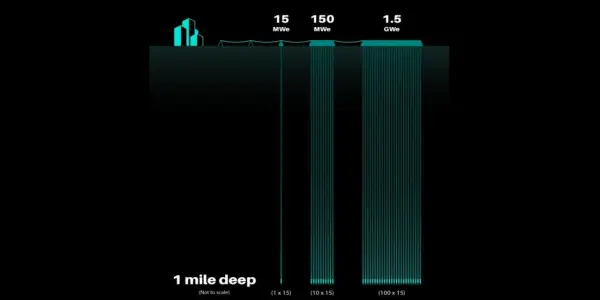
Deep Fission Proposes Underground Nuclear...
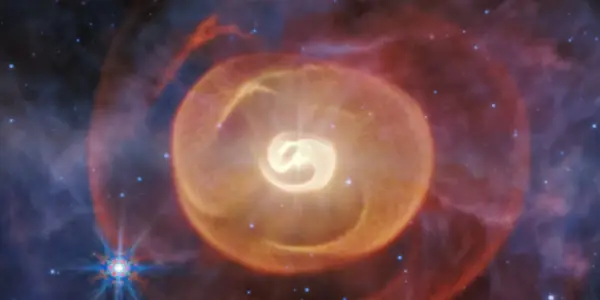
Webb Telescope Reveals Unprecedented Cosmic...
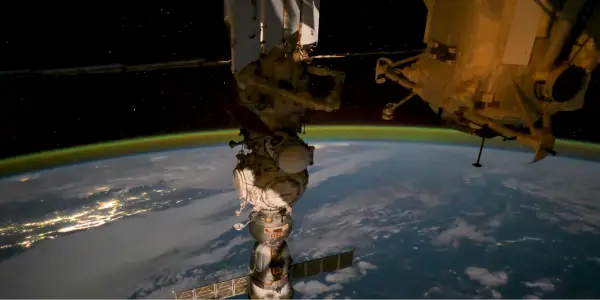
ISS Crew Takes Precautions Against Radiation...

Exploring Alternatives to the Meta Quest 3 Elite...
NASA's Ambitious Timeline for Human Exploration...
Intense Solar Storms Could Ignite Life on...
The Impact of Space Technology on Everyday Life
Highlights of 2025 in Space Exploration: From...
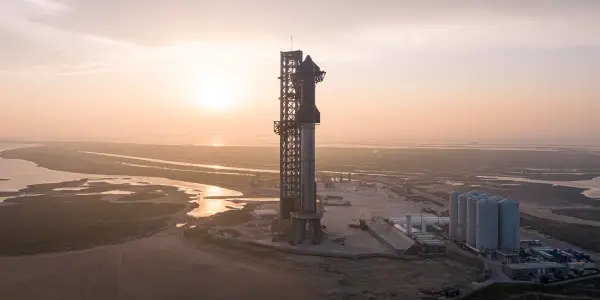
NASA's Artemis 3 Moon Mission Delayed to 2028 Due...

The Pleiades Star Cluster Reveals Its Extensive...
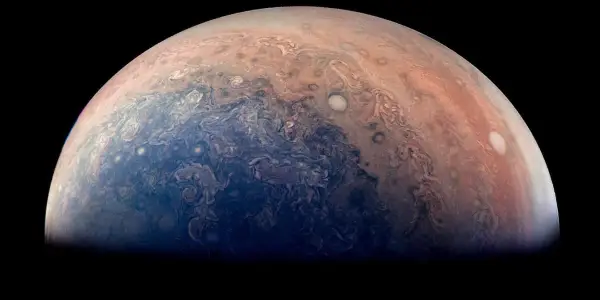
Discovery of a Planet Formation Zone Beyond...
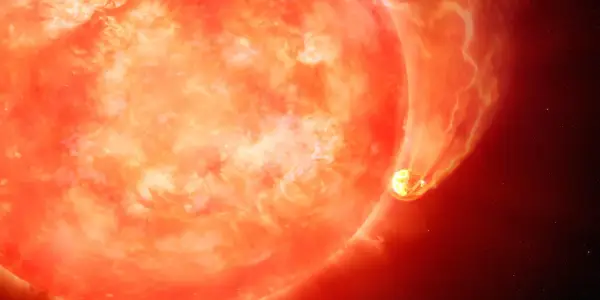
Astronomers Uncover Evidence of Aging Stars...
Fintech Founder Champions Innovation Through...
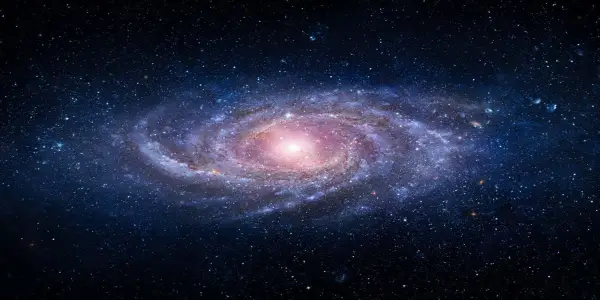
Potential Evidence of Dark Matter Emerges from...
NASA and European Partners Prepare for...
SpaceX Achieves 150th Falcon 9 Launch with...
Rogue Moons: A New Frontier for Life Beyond Stars
New Mexico Startup Unveils Ambitious Plan to...
NASA's ESCAPADE Probes Set for Unique Journey to...
Astronomers Identify Potential Earth-Like...