SpaceX Achieves 150th Falcon 9 Launch with Successful Deployment of Starlink Satellites
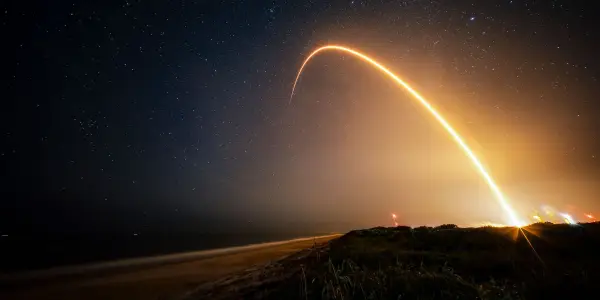
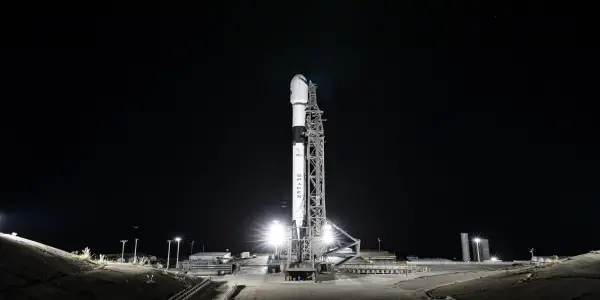
In a significant milestone for the aerospace company, SpaceX launched 29 Starlink satellites from Cape Canaveral Space Force Station, marking its 150th Falcon 9 mission of 2025.
In-depth analysis
New discoveries
The recent launch of 29 Starlink satellites has expanded SpaceX's satellite constellation to over 9,000 active units, marking significant progress in global broadband internet access. This achievement underscores advancements in satellite technology and the company's dedication to connecting underserved regions, illustrating the growing importance of reliable internet in the digital age.
Mission updates
The Falcon 9 rocket's successful launch from Cape Canaveral represents a milestone as it completes its 150th mission. The satellites were deployed after a flight duration of approximately one hour and five minutes, with the first stage returning safely to a droneship.
Who is affected
The expansion of the Starlink network is set to benefit millions in underserved areas worldwide, providing access to high-speed internet that was previously unavailable. This development is particularly crucial for communities reliant on digital connectivity for education, business, and communication.
Next steps
SpaceX plans to continue its aggressive satellite deployment strategy to enhance global internet coverage. Future missions will focus on increasing the satellite constellation, ensuring reliability, and maintaining a competitive edge against emerging rivals in the satellite internet market.
Did you know?
Why we should care
The successful launch of 29 Starlink satellites is more than a technical achievement; it represents a step toward bridging the digital divide. For communities in remote areas where traditional internet providers struggle, Starlink offers a vital connection to education, telehealth, and remote work opportunities. This means that a student in a rural village can access online learning resources just as easily as someone in a major city.
The universe's unsolved mystery
As SpaceX expands its satellite constellation, one unanswered question looms: how will the proliferation of satellites impact our understanding of the cosmos? With thousands of satellites in orbit, the night sky will change, potentially obscuring astronomical observations. This intersection of commercial interests and scientific inquiry raises critical discussions about our priorities in space.
The person who looks at the stars
Meet Lisa, a high school science teacher in a remote Alaskan village. For years, her students have struggled with slow internet, hindering their access to educational resources. After the launch of Starlink satellites, Lisa noticed a shift; her students could research projects, stream educational videos, and connect with experts worldwide. This newfound accessibility has sparked their curiosity about space and science, fostering a generation that dreams beyond their horizons. Lisa often finds herself gazing at the stars, reflecting on how technology can empower her students and transform their futures.

China's Mars Orbiter Captures Image of...

New Research Suggests Dark Matter Influences...
Collaboration Between Exoplanet Researchers and...

Innovative Portable Reflecting Telescope...
The Impact of Space Technology on Everyday Life
The Dwarf III Smart Telescope: A Compact Marvel...
Exploring Oregon's Premier Public Telescope...
NASA and European Partners Prepare for...

Samsung Unveils Unprecedented Black Friday Deal...

Astrophotographer Captures Stunning Image of...

Rogue Moons: A New Frontier for Life Beyond Stars

Exploring Alternatives to the Meta Quest 3 Elite...

Deep Fission Proposes Underground Nuclear...
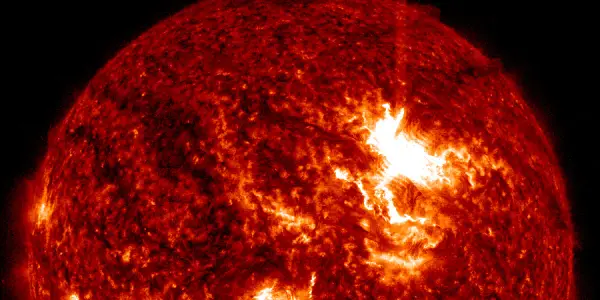
X5.1 Solar Flare Triggers G4 Geomagnetic Storm...

Affordable Fitness Tracking: The Amazfit Active 2...
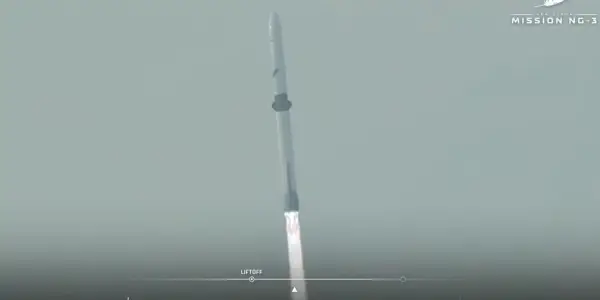
Blue Origin Faces Major Setback as New Glenn...
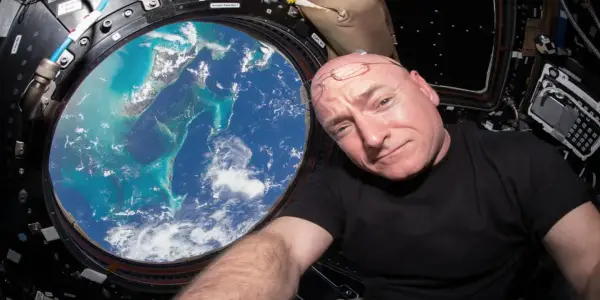
Italian Producer Plans Historic Film to Shoot in...
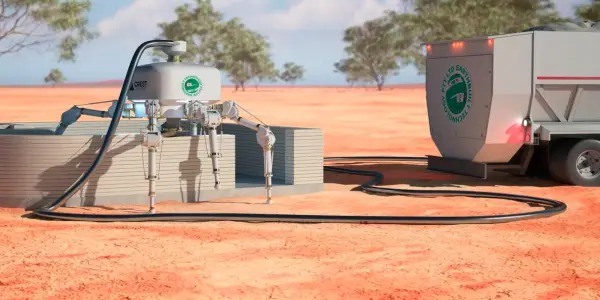
Charlotte: The Lunar 3D Printer Poised to...
Young Canadian Astronomer Identifies Two...

Samsung's Galaxy S26 Ultra Set for Significant...
Astronomers Identify Potential Earth-Like...

NASA Unveils New Images of Interstellar Comet...
Meteorite Fragment May Have Impacted Houston Home

Portal Systems Aims to Revolutionize Spacecraft...
SabreSat: An Innovative Air-Breathing Satellite...
Potential Alien Disclosure May Trigger Bitcoin...
Russian Cosmonauts Conduct Extended Spacewalk to...
Andromeda Galaxy's Impact on Its Satellite...
Discovery of a Planet Formation Zone Beyond...
NASA's X-59 Achieves Historic Supersonic Flight
NASA Advances Artemis 2 Mission with Orion...

The Pleiades Star Cluster Reveals Its Extensive...

Foundation Season 3 Hints at Deeper Asimov Themes...
Congress Questions NASA's Facility Closures Amid...

FULU Foundation Introduces Repair Bounty System...

Jeff Bezos's AI Hardware Venture Takes Aim at...
NASA's Ambitious Timeline for Human Exploration...
Hawaiian Students Honor Gemini North Telescope's...