Increasing Satellite Numbers Threaten Space Telescope Observations
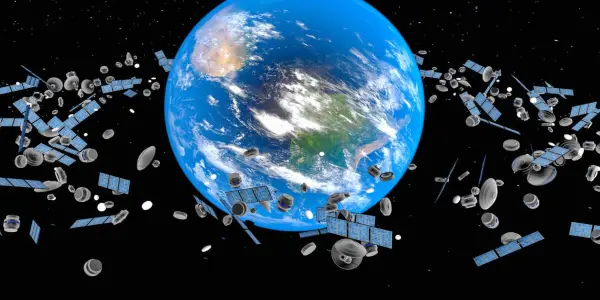
NASA's new study reveals that the surge in satellites threatens space telescopes like Hubble, with nearly 90% of its images at risk from light interference.
In-depth analysis
New discoveries
NASA's recent study reveals that nearly 90% of Hubble Space Telescope's images may suffer from light interference due to the increasing number of communication satellites in low Earth orbit. This trend poses a significant threat to the quality of astronomical observations, particularly as projections suggest the satellite count could reach 100,000 by decade's end.
Mission updates
The research, led by Alejandro Borlaff, assessed the impact of planned satellite launches on various space telescopes, including Hubble, SPHEREx, ARRAKIHS, and Xuntian, highlighting their vulnerability to light pollution.
Who is affected
The astronomical community is significantly affected by the findings, as the quality of data from major telescopes like Hubble and SPHEREx could decline, hindering scientific research and discoveries. This light pollution poses challenges for future space missions and the integrity of astronomical observations.
Next steps
To address these concerns, researchers advocate for the development of mitigation strategies that can model and correct for satellite light pollution, ensuring that future astronomical observations remain reliable and effective.
Did you know?
Why we should care
The rapid expansion of satellite networks poses a serious threat to astronomical research, directly affecting our understanding of the universe. For everyday people, this means that future discoveries about distant galaxies, black holes, and cosmic phenomena may be compromised or delayed. As we rely on these insights to comprehend our place in the cosmos, the implications of light pollution from satellites extend far beyond the night sky.
The universe's unsolved mystery
The challenge of light pollution from satellites highlights a broader dilemma in the scientific community: balancing technological advancement with the preservation of natural phenomena. As we forge ahead with innovations that offer instant communication and connectivity, the quest to maintain the integrity of our observational capabilities becomes increasingly critical. How will humanity prioritize its cosmic inquiries in a crowded orbital environment?
The person who looks at the stars
Maria Torres, a passionate amateur astronomer in her late 30s, often spends her evenings stargazing from her small backyard in Arizona. The twinkling constellations have always been a source of wonder and inspiration for her, fueling dreams of unraveling the mysteries of the universe. However, as news of satellite interference spreads, she fears the magic of her nightly rituals will diminish. Maria reflects on how these advancements, while beneficial for communication, threaten the awe of the night sky that ignited her curiosity as a child. With each new satellite launch, she grapples with the challenge of preserving the beauty of the cosmos amidst the encroaching artificial glow, reminding us all that the universe is not just a scientific frontier, but a deep emotional connection to our shared human experience.

Urwerk Unveils Limited-Edition 100V 'LightSpeed'...
Astronomers Uncover a Rapid Star-Forming Galaxy...
European Space Agency Unveils Stunning Radar...
Webb Telescope Reveals Unprecedented Cosmic...
Jupiter's Moons Io and Europa to Cast Shadows...
Apple Introduces Emergency SOS via Satellite in...
NASA Unveils New Images of Interstellar Comet...
NASA's X-59 Achieves Historic Supersonic Flight
SabreSat: An Innovative Air-Breathing Satellite...
Astronomers Converge in Phoenix for AAS 247: A...
Italian Producer Plans Historic Film to Shoot in...
X5.1 Solar Flare Triggers G4 Geomagnetic Storm...
Blue Origin Faces Major Setback as New Glenn...
James Webb Space Telescope Discovers Ancient...
SpaceX Faces Challenges in Meeting NASA's 2027...
Rogue Moons: A New Frontier for Life Beyond Stars
Unusual Wind from Neutron Star Challenges Space...
NASA's Ambitious Timeline for Human Exploration...
Jeff Bezos's AI Hardware Venture Takes Aim at...

Childcare Crisis: Families Struggle as...
Potential Alien Disclosure May Trigger Bitcoin...
Unistellar eQuinox 2 Smart Telescope Sees...
Breakthrough in Milky Way Simulation Using AI...
Astronomers Discover Ancient White Dwarf Actively...
The Pleiades Star Cluster Reveals Its Extensive...

Satellite Imagery Reveals Extensive Damage Across...
The Dwarf III Smart Telescope: A Compact Marvel...
Recent Studies Explore Potential Exoplanet in...
Astronomers Capture Unprecedented Black Hole...
China's Mars Orbiter Captures Image of...
Meteorite Fragment May Have Impacted Houston Home
Intense Solar Storms Could Ignite Life on...
Astronomers Uncover Evidence of Aging Stars...
New Mexico Startup Unveils Ambitious Plan to...
ISS Crew Takes Precautions Against Radiation...
New Research Suggests Dark Matter Influences...
James Webb Space Telescope May Have Detected the...
Deep Fission Proposes Underground Nuclear...
Top Black Friday Smartwatch Deals Worth...