Astronomers Uncover a Rapid Star-Forming Galaxy from the Early Universe
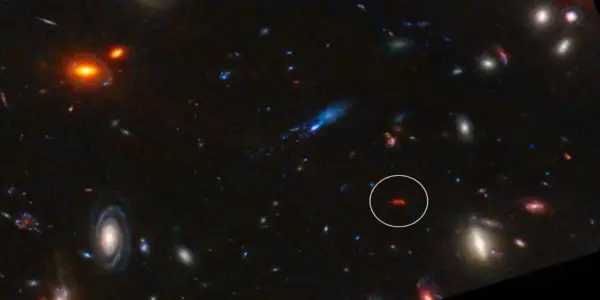
Astronomers have discovered galaxy Y1, forming stars 180 times faster than the Milky Way, offering new insights into the early universe and star formation me...
In-depth analysis
New discoveries
Astronomers have uncovered galaxy Y1, which formed just 1 billion years post-Big Bang, exhibiting a star production rate 180 times that of the Milky Way. This finding offers new insights into early universe conditions and challenges existing theories on star formation mechanisms, suggesting a stark contrast to modern stellar environments.
Mission updates
The research team utilized the Atacama Large Millimeter/submillimeter Array (ALMA) to analyze Y1, revealing its unique characteristics and shedding light on early star formation dynamics.
Who is affected
This discovery impacts the scientific community, particularly astronomers and cosmologists focused on galaxy evolution and star formation. The findings could also influence educational approaches and public understanding of cosmic history.
Next steps
Future studies of galaxy Y1 are planned to address the discrepancies in primordial galaxies' dust content, with researchers aiming to uncover more examples of early star factories using advanced telescopes.
Did you know?
Why we should care
The discovery of galaxy Y1 reshapes our understanding of cosmic history, influencing how we think about the origins of stars and galaxies. This knowledge could have practical implications for future space exploration and our quest to find habitable planets. By understanding early star formation, researchers can better predict the types of environments that could support life beyond Earth.
The universe's unsolved mystery
Galaxy Y1's rapid star formation raises intriguing questions about the nature of early cosmic conditions. How did these extreme environments foster such prolific stellar birth? This mystery could challenge existing theories of star formation and lead to a deeper understanding of the universe's evolution, inviting scientists to rethink the fundamental processes that shaped our cosmic landscape.
The person who looks at the stars
Meet Elena, a high school astronomy teacher from a small town in Idaho. Every night, she guides her students in stargazing, helping them connect with the universe. The discovery of galaxy Y1 excites her, as it opens doors to conversations about the early cosmos and the birth of stars. Elena believes that understanding these distant galaxies inspires her students to dream big and consider careers in science, igniting their curiosity about the universe. Each lesson she teaches about galaxies like Y1 fosters a sense of wonder, reminding her students that they, too, are part of a vast cosmic story. For Elena, every star they observe is a reminder of the boundless possibilities that lie ahead.
AI Reveals Over 800 New Cosmic Anomalies from...

European Space Agency Unveils Stunning Radar...
Astronomers Capture Unprecedented Black Hole...
New Simulations Shed Light on the Enigmatic...
Andromeda Galaxy's Impact on Its Satellite...
Interstellar Comet 3I/ATLAS Approaches...
SabreSat: An Innovative Air-Breathing Satellite...
Highlights of 2025 in Space Exploration: From...
NASA's X-59 Achieves Historic Supersonic Flight
Portal Systems Aims to Revolutionize Spacecraft...
Rogue Moons: A New Frontier for Life Beyond Stars
Astronomers Discover Ancient White Dwarf Actively...

X-Men Return to Education in Upcoming Comic...
NASA Advances Artemis 2 Mission with Orion...
Potential Alien Disclosure May Trigger Bitcoin...
NASA's ESCAPADE Probes Set for Unique Journey to...
Recent Studies Explore Potential Exoplanet in...
NASA's Ambitious Timeline for Human Exploration...

Daily Roundup: November 10, 2025 – Advancements...

Satellite Imagery Highlights Hurricane Damage...
Mapping the Invisible: Astronomers Uncover Dark...
NASA Unveils New Images of Interstellar Comet...
New Mexico Startup Unveils Ambitious Plan to...
Astrophotographer Captures Stunning Image of...
James Webb Telescope Identifies Rapidly Growing...
Ancient Galaxies: A Chaotic Early Universe...
Assessing the Financial Impact of NASA's Apollo...
Unraveling the Mysteries of Mars: Recent...
NASA and European Partners Prepare for...

OnePlus 15 vs. Samsung Galaxy S25 Plus: A Clash...
Study Suggests the Universe's Expansion May Be...
Astronomers Uncover Evidence of Aging Stars...
Unusual Wind from Neutron Star Challenges Space...
Collaboration Between Exoplanet Researchers and...
Artemis 2 Astronauts Safely Return After Historic...

Lenovo's Legion Tab Gen 3 Sees Significant Black...

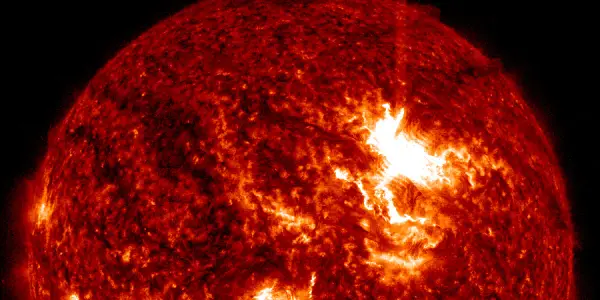
X5.1 Solar Flare Triggers G4 Geomagnetic Storm...
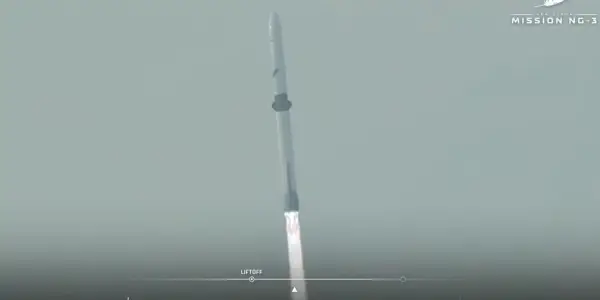
Blue Origin Faces Major Setback as New Glenn...