Astronomers Discover Hidden Space Debris Threatening Vital Geostationary Satellites
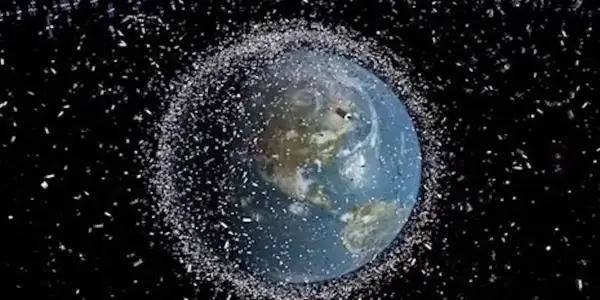
New findings reveal previously undetected space junk in geosynchronous orbit poses risks to essential satellites used for communication and monitoring.
In-depth analysis
New discoveries
Recent findings by astronomers at the University of Warwick have identified a hidden swarm of space debris in geosynchronous orbit. This previously undetected debris poses a significant risk to critical satellites, which are essential for communications, weather forecasting, and environmental monitoring, highlighting the urgent need for further investigation into space sustainability.
Mission updates
The study published in the Journal of Astronautical Sciences utilized advanced algorithms and the Isaac Newton Telescope to detect faint debris tracks that had eluded previous surveys, marking a significant advancement in space debris research.
Who is affected
The growing presence of space debris in geostationary orbit threatens various sectors reliant on satellite technology, including telecommunications, navigation, and meteorology. This situation endangers the functionality of critical services that millions depend on globally, necessitating immediate attention from space agencies and satellite operators.
Next steps
Researchers plan to expand their search for small debris in geostationary orbit by utilizing additional telescopes. This initiative aims to enhance understanding of the debris landscape, which is essential for ensuring the safety and longevity of satellite operations.
Did you know?
Why we should care
The presence of untracked space debris in geosynchronous orbit poses a direct risk to essential services that modern life depends on. From ensuring reliable weather forecasts to enabling global communication and navigation, satellites are integral to daily activities. As this hidden debris threatens these satellites, the implications extend to disrupted services, economic losses, and challenges in emergency response—all affecting ordinary lives.
The universe's unsolved mystery
Despite advancements in space observation, the origins and trajectories of many debris fragments remain a mystery. This lack of clarity complicates efforts to create effective debris mitigation strategies. Understanding the unseen forces shaping this orbital environment is crucial, as each fragment carries the potential for catastrophic collisions, highlighting the need for ongoing research and international cooperation in space management.
The person who looks at the stars
For Maya Chen, a 12-year-old aspiring astronaut from a small town, the night sky is a source of wonder and anxiety. She often gazes through her telescope, dreaming of exploring the cosmos. However, recent news about the hidden debris in geosynchronous orbit has cast a shadow over her dreams. Maya worries about the future of space exploration and the safety of satellites that provide vital information about climate change and natural disasters. Her fascination with the stars now carries a weighty question: will the sky remain a realm of discovery, or will it become a perilous minefield? Inspired by the scientists working tirelessly to address this issue, Maya hopes to contribute to solutions that ensure space remains a safe frontier for generations to come.
Expert Commentary
SpaceX Faces Challenges in Meeting NASA's 2027...
Intense Solar Storms Could Ignite Life on...
Ancient Galaxies: A Chaotic Early Universe...
James Webb Telescope Identifies Rapidly Growing...
Astronomers Identify Three Earth-Sized Exoplanets...

European Space Agency Unveils Stunning Radar...

ISS Crew Takes Precautions Against Radiation...
NASA's Artemis 3 Moon Mission Delayed to 2028 Due...

Daily Roundup: November 10, 2025 – Advancements...
China's Mars Orbiter Captures Image of...

Satellite Imagery Reveals Extensive Damage Across...
Astrophotographer Captures Stunning Image of...
Highlights of 2025 in Space Exploration: From...
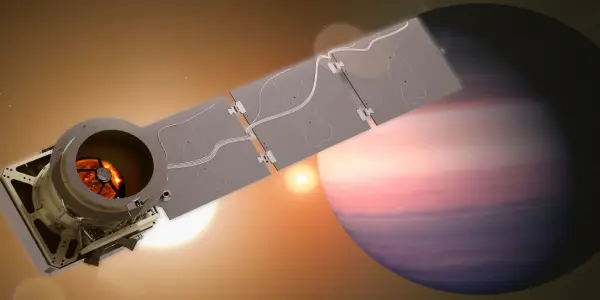
SpaceX Set to Launch NASA's Pandora Exoplanet...
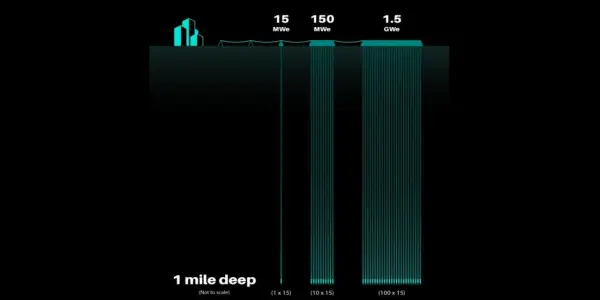
Deep Fission Proposes Underground Nuclear...
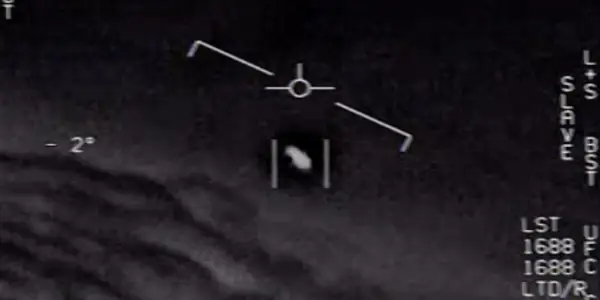
Potential Alien Disclosure May Trigger Bitcoin...
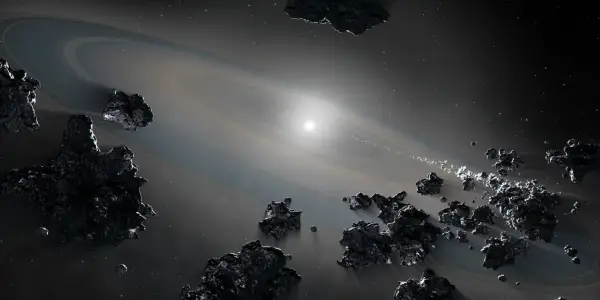
Astronomers Discover Ancient White Dwarf Actively...
Webb Telescope Reveals Unprecedented Cosmic...
Enhance Your Weather Preparedness with Weather...
Euclid Space Telescope Discovers Hidden Stars in...
Italian Producer Plans Historic Film to Shoot in...
X5.1 Solar Flare Triggers G4 Geomagnetic Storm...
Astronomers Identify Potential Earth-Like...
NASA's ESCAPADE Probes Set for Unique Journey to...
Astronomers Converge in Phoenix for AAS 247: A...
Mapping the Invisible: Astronomers Uncover Dark...
Unraveling the Mysteries of Mars: Recent...
NASA's X-59 Achieves Historic Supersonic Flight

FULU Foundation Introduces Repair Bounty System...
New Research Suggests Dark Matter Influences...
Russian Cosmonauts Conduct Extended Spacewalk to...

Childcare Crisis: Families Struggle as...

This Week In Space Podcast: Episode 187 Explores...

Samsung Unveils Unprecedented Black Friday Deal...
Andromeda Galaxy's Impact on Its Satellite...
Young Canadian Astronomer Identifies Two...
NASA and European Partners Prepare for...