Euclid Space Telescope Discovers Hidden Stars in Orion's Dusty Cloud
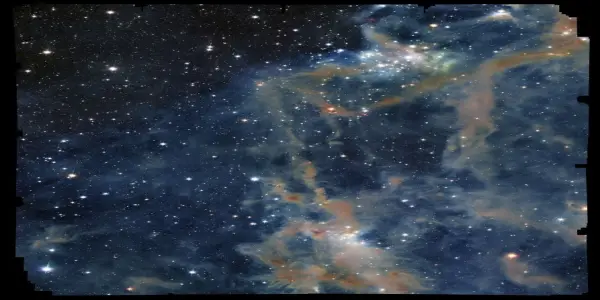
The Euclid Space Telescope has successfully identified stars obscured by dense gas and dust within the Orion Molecular Cloud Complex, specifically in a region known as LDN 1641.
In-depth analysis
New discoveries
The Euclid Space Telescope has identified over 1,000 young stellar objects hidden within the Orion Molecular Cloud Complex, specifically in the dark cloud LDN 1641. Utilizing its Near-Infrared Spectrometer, Euclid captured infrared light emitted by these nascent stars, revealing their intricate structures and jets, which are crucial for understanding star formation processes.
Mission updates
Euclid continues to enhance astronomical research with its mission focused on mapping the universe. Recent findings from LDN 1641 demonstrate the telescope's capability to reveal previously obscured stellar formations.
Who is affected
Astronomers and astrophysicists are significantly impacted by these discoveries, as they provide new insights into star formation and the dynamics of cosmic evolution. This enhanced understanding can influence future research directions and methodologies in the field.
Next steps
Moving forward, Euclid will continue its mission by capturing images of millions of galaxies over the next six years, further contributing to our understanding of dark energy and dark matter in the universe.
Did you know?
Why we should care
The discoveries made by the Euclid Space Telescope impact more than just astronomy; they reach into our understanding of the universe's origins and evolution. By revealing hidden stars in the Orion Molecular Cloud, Euclid helps us comprehend the life cycles of celestial bodies that ultimately influence the formation of planets, including our own. This knowledge could illuminate the conditions that foster life, connecting cosmic events to our existence.
The universe's unsolved mystery
Despite recent advancements, the enigma of dark matter and dark energy remains unresolved. Euclid's mission to map the universe aims to shed light on these elusive components. Understanding their nature could redefine the laws of physics and unveil secrets about the universe's fate, leaving astronomers and physicists grappling with profound questions that challenge our fundamental understanding of reality.
The person who looks at the stars
Meet Clara, a 34-year-old astrophysicist who has spent her life gazing at the cosmos. Growing up in a small town, she often found solace in the night sky, fascinated by the stories written among the stars. With Euclid's recent findings, Clara feels a renewed sense of purpose; the discovery of over 1,000 young stellar objects resonates deeply with her research on star formation. She envisions the potential for new worlds and possibly even new forms of life. Each new image from Euclid fuels her passion, reminding her that every star has a story waiting to be told. As she shares these discoveries with her students, Clara hopes to inspire a new generation of astronomers to continue exploring the mysteries of the universe.
Astronomers Discover Ancient White Dwarf Actively...
Discovery of a Planet Formation Zone Beyond...

Satellite Imagery Highlights Hurricane Damage...

Daily Roundup: November 10, 2025 – Advancements...
Intense Solar Storms Could Ignite Life on...
NASA Unveils New Images of Interstellar Comet...
NASA's ESCAPADE Probes Set for Unique Journey to...

Unistellar eQuinox 2 Smart Telescope Sees...
Interstellar Comet 3I/ATLAS Approaches...
Exploring Oregon's Premier Public Telescope...
James Webb Space Telescope Sheds Light on Early...

NASA's Artemis 3 Moon Mission Delayed to 2028 Due...
Astronauts aboard the ISS Capture Stunning Images...
Assessing the Financial Impact of NASA's Apollo...
Rogue Moons: A New Frontier for Life Beyond Stars
Recent Studies Explore Potential Exoplanet in...
Blue Origin Faces Major Setback as New Glenn...
ISS Crew Takes Precautions Against Radiation...
New Simulations Shed Light on the Enigmatic...
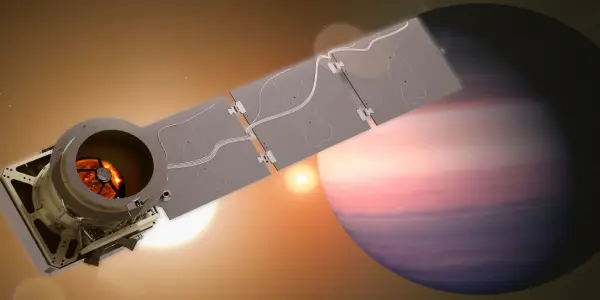
SpaceX Set to Launch NASA's Pandora Exoplanet...
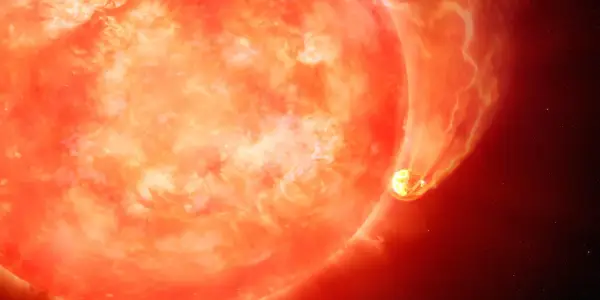
Astronomers Uncover Evidence of Aging Stars...
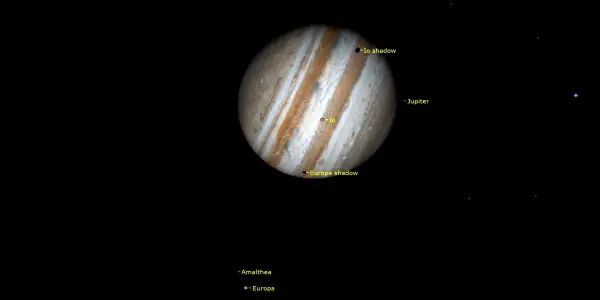
Jupiter's Moons Io and Europa to Cast Shadows...

Urwerk Unveils Limited-Edition 100V 'LightSpeed'...
The Impact of Space Technology on Everyday Life
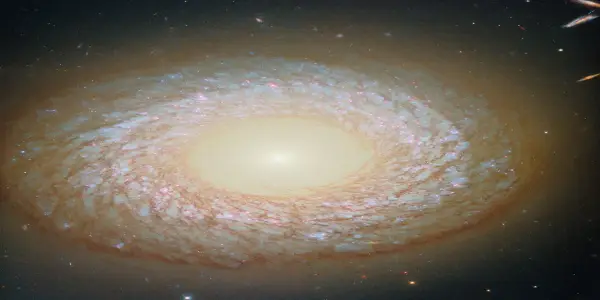
Hubble Telescope Unveils Enigmatic Galaxy NGC 2775
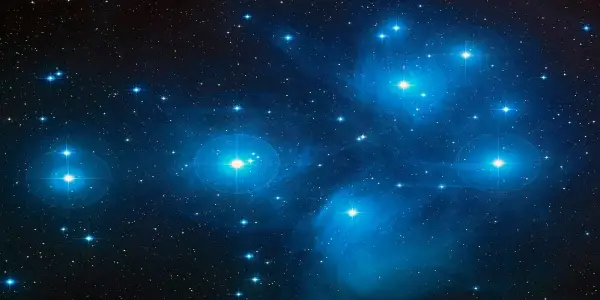
The Pleiades Star Cluster Reveals Its Extensive...
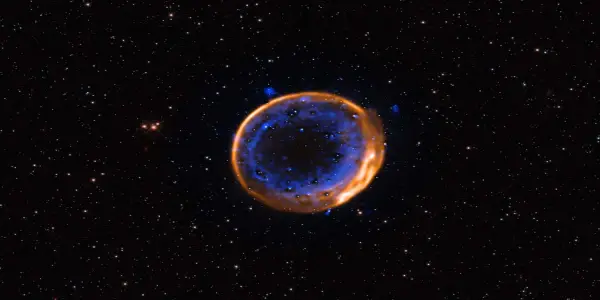
Highlights of 2025 in Space Exploration: From...
Euclid Space Telescope Discovers Hidden Stars in...
The Dwarf III Smart Telescope: A Compact Marvel...
James Webb Space Telescope May Have Detected the...
James Webb Telescope Identifies Rapidly Growing...
SpaceX Achieves 150th Falcon 9 Launch with...
Italian Producer Plans Historic Film to Shoot in...
Exploring the Composition of Cosmic Voids
Webb Telescope Reveals Unprecedented Cosmic...
James Webb Space Telescope Captures Stunning...

Lenovo's Legion Tab Gen 3 Sees Significant Black...
Breakthrough in Milky Way Simulation Using AI...
Astrophysicists Unveil Dark Universe Through...
China's Mars Orbiter Captures Image of...