Starship V3: A Revolutionary Leap in Spaceflight Technology
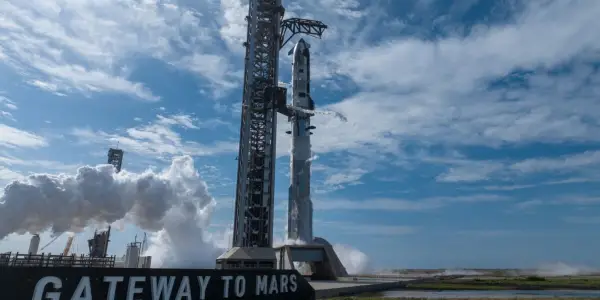
SpaceX prepares to unveil Starship V3, the most powerful rocket ever, promising to transform the heavy-lift launch landscape.
In-depth analysis
New discoveries
The Starship V3 introduces groundbreaking enhancements, including a Super Heavy booster with Raptor 3 engines that generate an unprecedented 16 million pounds of thrust. Additionally, its design allows for rapid reuse and features advanced orbital refueling systems, all of which could reshape the landscape of commercial spaceflight and facilitate more ambitious missions.
Mission updates
SpaceX is on the verge of launching Starship V3, marking a significant milestone in its quest for efficient space travel. This launch is expected to provide critical insights into the rocket's performance and capabilities.
Who is affected
The advancements brought by Starship V3 will impact various stakeholders in the aerospace sector, including commercial satellite operators, space agencies like NASA, and research institutions. These entities stand to benefit from reduced launch costs and increased payload capacities.
Next steps
Following the launch of Starship V3, SpaceX aims to gather data to refine its technologies further. Continuous testing and evaluation will be crucial in ensuring the rocket meets its ambitious goals for future missions.
Did you know?
Why we should care
The impending launch of SpaceX's Starship V3 could reshape everyday life on Earth by making access to space more economical and efficient. With its enhanced payload capacity and rapid reusability, this rocket might not only lower costs for satellite deployment but also pave the way for new technologies in telecommunications and Earth observation, impacting everything from weather forecasting to global internet access.
The universe's unsolved mystery
Despite advancements in rocket technology, humanity still grapples with profound questions about our universe. How do we sustain life on distant planets? What lies beyond our observable cosmos? The launch of Starship V3 could serve as a catalyst for more than just commercial flights—it might inspire breakthroughs in understanding the very fabric of our existence and our place in the universe.
The person who looks at the stars
In a small town in New Mexico, a high school science teacher named Elena Martinez often takes her students outside at night to gaze at the stars. For her, the universe is not just a subject to teach; it represents the dreams and aspirations of her students. As she prepares her class for the imminent launch of Starship V3, she sees it as a symbol of possibility. Elena believes that this moment could ignite a passion for space exploration in her students, inspiring them to pursue careers in science and engineering. The excitement surrounding the launch offers her students a tangible connection to the cosmos, reinforcing the idea that they, too, can contribute to humanity's journey into space.
Expert Commentary

Astrophysicists Unveil Dark Universe Through...
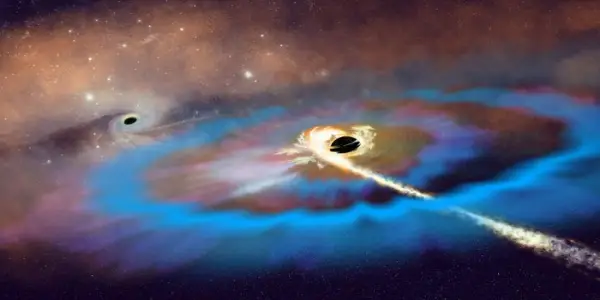
Astronomers Capture Unprecedented Black Hole...

Innovative Portable Reflecting Telescope...

Top Black Friday Smartwatch Deals Worth...
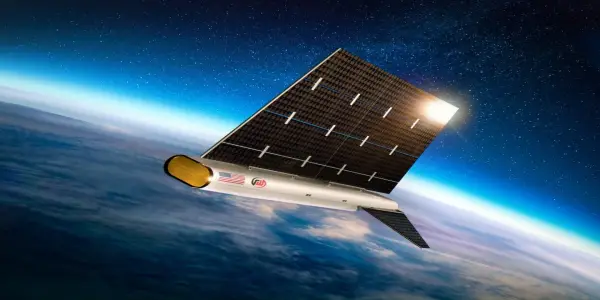
SabreSat: An Innovative Air-Breathing Satellite...
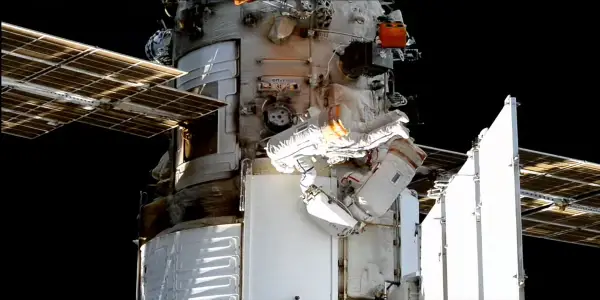
Russian Cosmonauts Conduct Extended Spacewalk to...

Mapping the Invisible: Astronomers Uncover Dark...
SpaceX Achieves 150th Falcon 9 Launch with...
X5.1 Solar Flare Triggers G4 Geomagnetic Storm...

Samsung Unveils Unprecedented Black Friday Deal...
Unraveling the Mysteries of Mars: Recent...
India Successfully Launches CMS-03 Military...
Astronomers Identify Potential Earth-Like...

New Research Suggests Dark Matter Influences...

Samsung Galaxy S26 Expected to Feature Enhanced...

European Space Agency Unveils Stunning Radar...
Euclid Space Telescope Discovers Hidden Stars in...
The Pleiades Star Cluster Reveals Its Extensive...
SpaceX Faces Challenges in Meeting NASA's 2027...

Childcare Crisis: Families Struggle as...

Interstellar Comet 3I/ATLAS Approaches...
The Impact of Space Technology on Everyday Life

Urwerk Unveils Limited-Edition 100V 'LightSpeed'...

Deep Fission Proposes Underground Nuclear...

Ancient Galaxies: A Chaotic Early Universe...
Webb Telescope Reveals Unprecedented Cosmic...

Portal Systems Aims to Revolutionize Spacecraft...
Unistellar eQuinox 2 Smart Telescope Sees...
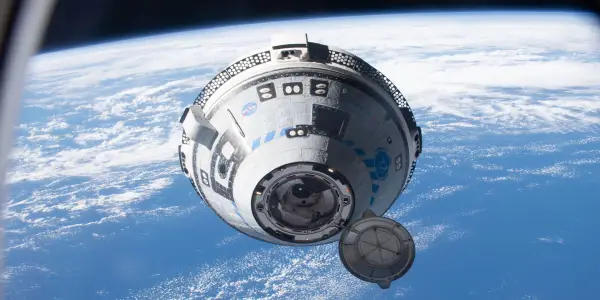
Boeing's Upcoming Starliner Mission Set for April...

NASA's Campaign to Monitor Interstellar Comet...

James Webb Space Telescope Sheds Light on Early...

Satellite Imagery Highlights Hurricane Damage...
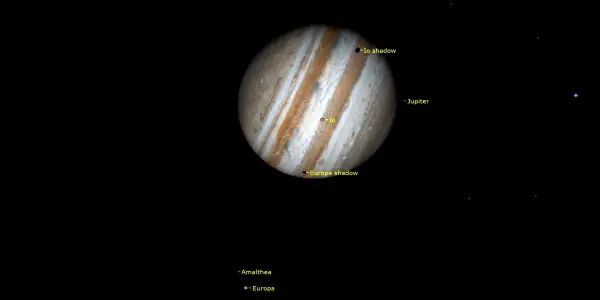
Jupiter's Moons Io and Europa to Cast Shadows...
Potential Alien Disclosure May Trigger Bitcoin...

Recent Studies Explore Potential Exoplanet in...
Congress Questions NASA's Facility Closures Amid...
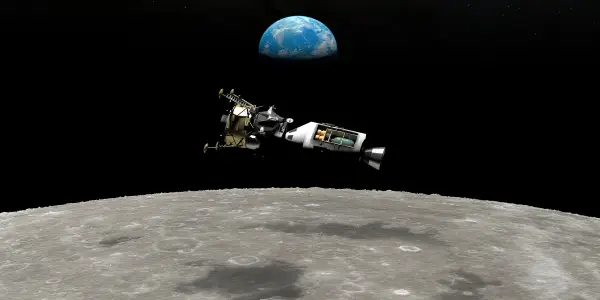
Assessing the Financial Impact of NASA's Apollo...
This Week In Space Podcast: Episode 187 Explores...