Pluto and Titan Reveal a Shared Enigma: An Unidentified Molecule
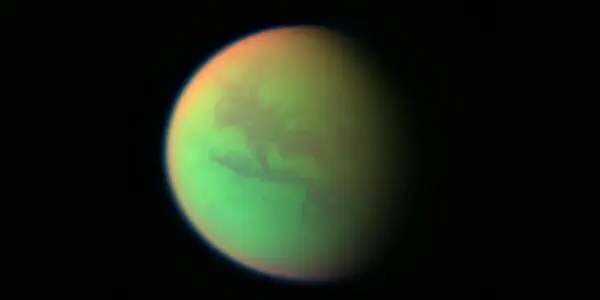
Researchers discover a mysterious molecule on Pluto and Titan, which is not cataloged in existing chemical databases, raising intriguing questions.
In-depth analysis
New discoveries
Recent research has uncovered a unique spectral signature shared by Pluto and Titan, indicating the presence of a previously unknown molecule. This discovery highlights gaps in existing chemical databases and challenges faced by astronomers when analyzing spectral data that lacks established chemical identities, potentially reshaping our understanding of planetary atmospheres.
Mission updates
The research team is collaborating with the James Webb Space Telescope (JWST) to gather additional data for further analysis. This effort aims to clarify the spectral anomaly observed on both Pluto and Titan.
Who is affected
The findings impact planetary scientists and astronomers, as they reveal limitations in current observational techniques and underscore the need for advanced technologies. Understanding these celestial bodies is crucial for comprehending the broader chemical landscape of our solar system.
Next steps
Future investigations will focus on analyzing data from the JWST and preparing for NASA's Dragonfly mission to Titan. These efforts are expected to provide deeper insights into the mysterious molecule and the surface characteristics of both Pluto and Titan.
Did you know?
Why we should care
This discovery highlights not just the wonders of outer space, but also the limitations of our current scientific understanding. As researchers identify new molecules in distant atmospheres, it has implications for future explorations and our grasp of planetary formation. The excitement around these findings could inspire the next generation of scientists and spark interest in STEM fields, shaping the technologies we depend on in everyday life.
The universe's unsolved mystery
The unidentified molecule shared by Pluto and Titan serves as a reminder of the vastness of the unknown in our universe. Each discovery opens new questions, pushing the boundaries of what we know about celestial chemistry. As scientists delve deeper into these mysteries, they may uncover phenomena that not only challenge existing theories but also reshape our understanding of life's potential beyond Earth.
The person who looks at the stars
Meet Clara, a high school science teacher in a small town, who often takes her students outside for stargazing nights. Inspired by discoveries like the spectral anomaly shared by Pluto and Titan, she encourages her students to dream big and explore the universe. Clara believes that understanding these distant worlds can spark curiosity about our own planet's future. Each time she gazes at the night sky, she hopes to ignite a passion for discovery in her students, illustrating how even the most distant celestial phenomena can connect to their everyday lives and aspirations.
Expert Commentary
Andromeda Galaxy's Impact on Its Satellite...
Fintech Founder Champions Innovation Through...
Unistellar eQuinox 2 Smart Telescope Sees...
James Webb Space Telescope Captures Stunning...

Deep Fission Proposes Underground Nuclear...

Samsung Unveils Unprecedented Black Friday Deal...
Ancient Earth Chemistry Discovered Beneath Modern...
Breakthrough in Milky Way Simulation Using AI...
NASA's Ambitious Timeline for Human Exploration...
Discovery of a Planet Formation Zone Beyond...

Boeing's Upcoming Starliner Mission Set for April...
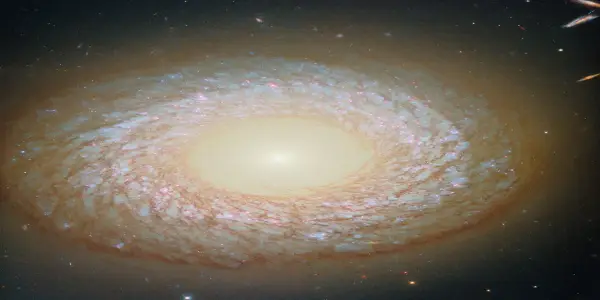
Hubble Telescope Unveils Enigmatic Galaxy NGC 2775
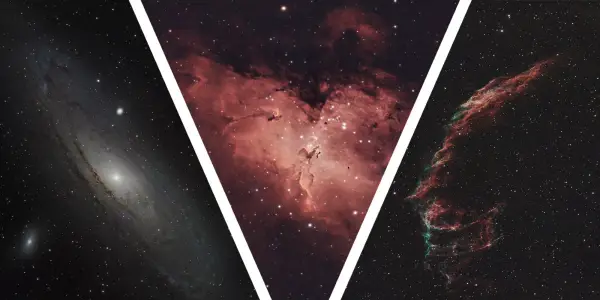
The Dwarf III Smart Telescope: A Compact Marvel...
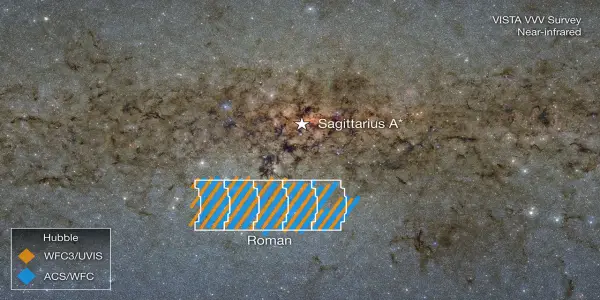

Daily Roundup: November 10, 2025 – Advancements...
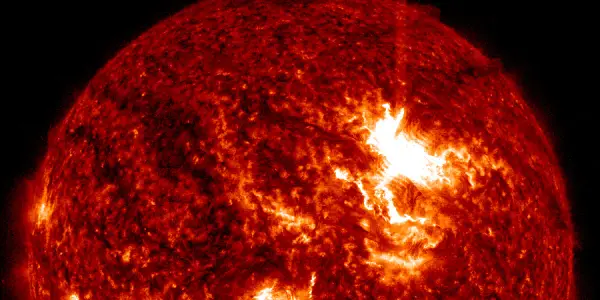
X5.1 Solar Flare Triggers G4 Geomagnetic Storm...
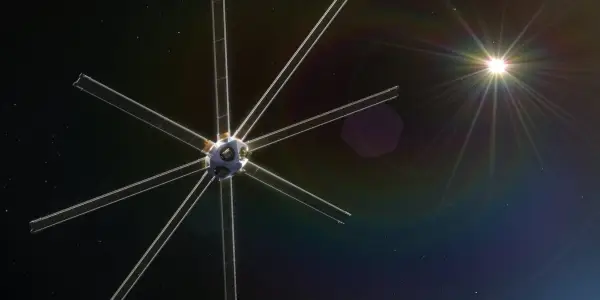
New Mexico Startup Unveils Ambitious Plan to...
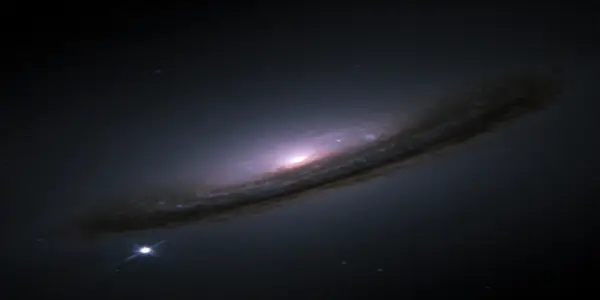
Study Suggests the Universe's Expansion May Be...
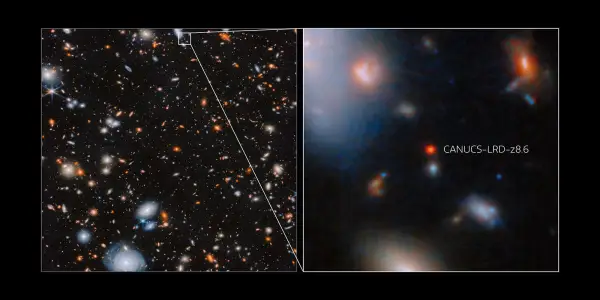
James Webb Telescope Identifies Rapidly Growing...
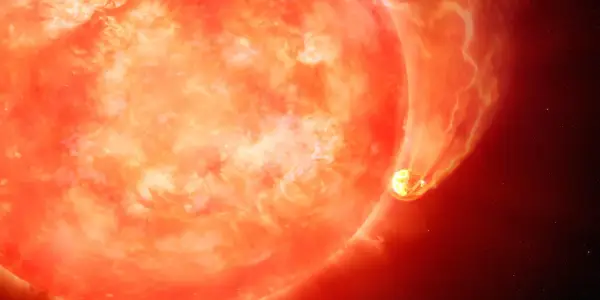
Astronomers Uncover Evidence of Aging Stars...
SpaceX Achieves 150th Falcon 9 Launch with...
Webb Telescope Reveals Unprecedented Cosmic...
Euclid Space Telescope Discovers Hidden Stars in...
Hawaiian Students Honor Gemini North Telescope's...
Enhance Your Weather Preparedness with Weather...
Apple Introduces Emergency SOS via Satellite in...
NASA Considers Reopening Bidding for Artemis 3...
Astronomers Converge in Phoenix for AAS 247: A...

Innovative Portable Reflecting Telescope...
Exploring the Best Online Resources for Stunning...
Intense Solar Storm May Illuminate Skies Across...

X-Men Return to Education in Upcoming Comic...
Assessing the Financial Impact of NASA's Apollo...
Collaboration Between Exoplanet Researchers and...

NASA's Artemis 3 Moon Mission Delayed to 2028 Due...

Childcare Crisis: Families Struggle as...
India Successfully Launches CMS-03 Military...
Astronomers Capture Unprecedented Black Hole...
Young Canadian Astronomer Identifies Two...
China's Mars Orbiter Captures Image of...