Exploring the Best Online Resources for Stunning Space Photography
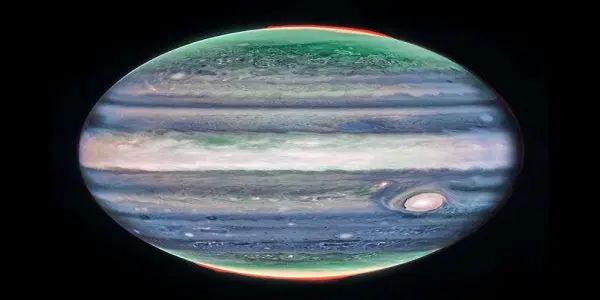
Discover top online resources for stunning space photography, from the historic impact of telescopes to breathtaking Hubble images that reveal the wonders of...
In-depth analysis
New discoveries
Recent advancements in space photography have democratized access to stunning celestial imagery. The Hubble and James Webb Space Telescopes continue to unveil new cosmic phenomena, enhancing our comprehension of dark matter and the universe's structure. These discoveries not only captivate enthusiasts but also provide essential data for ongoing astronomical research and education.
Mission updates
NASA's Hubble and James Webb Space Telescopes are actively capturing and sharing high-resolution images of the universe. These updates are crucial for both scientific inquiry and public engagement, allowing broader access to the latest findings in astrophysics.
Who is affected
The accessibility of space photography impacts a diverse audience, including students, educators, and amateur astronomers. These groups benefit from the wealth of information available online, fostering a deeper appreciation and understanding of the cosmos among the general public.
Next steps
To further explore the universe, individuals are encouraged to utilize resources like NASA's archives and community platforms for astrophotography. Emphasizing internet safety and understanding usage rights will enhance their experience while engaging with these remarkable images.
Did you know?
Why we should care
Understanding the cosmos isn't just for astronomers; it enriches our everyday lives. As we gaze at the stars, we connect with something larger than ourselves. This exploration fosters curiosity and inspires future generations, igniting interest in science, technology, and nature. Accessible space imagery democratizes knowledge, allowing everyone—from students to hobbyists—to appreciate the beauty and complexity of our universe.
The universe's unsolved mystery
The quest for dark matter continues to baffle scientists. Comprising about 27% of the universe, its existence is inferred through gravitational effects, yet it remains unseen. Solving this enigma could revolutionize our understanding of cosmic structure and the fundamental nature of reality itself. Each new discovery brings us a step closer to answering profound questions about existence.
The person who looks at the stars
Meet Clara, a high school science teacher in a small town who fosters her students' fascination with astronomy. Every month, she organizes stargazing nights, where her students gather to observe the cosmos through her modest telescope. Clara often shares stunning Hubble images, igniting dreams of exploration among her students. For them, these celestial wonders are not just distant objects; they represent possibilities, urging them to pursue careers in STEM fields. Clara's passion transcends mere observation; it cultivates a sense of wonder and ambition, reminding her students that the universe is vast, yet within their reach.

Samsung Galaxy S26 Expected to Feature Enhanced...
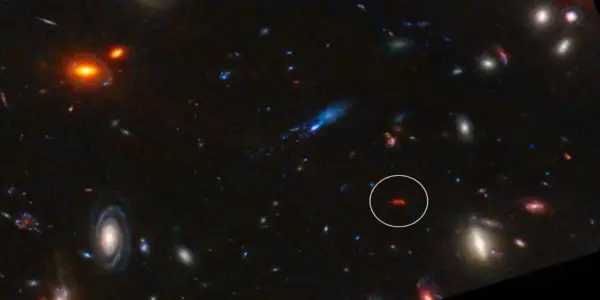
Astronomers Uncover a Rapid Star-Forming Galaxy...
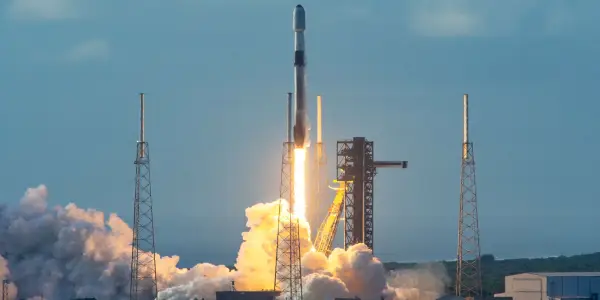
SpaceX Achieves Major Milestone with Launch of...
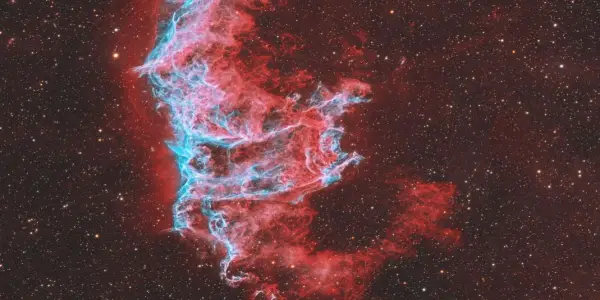
Astrophotographer Captures Stunning Image of...
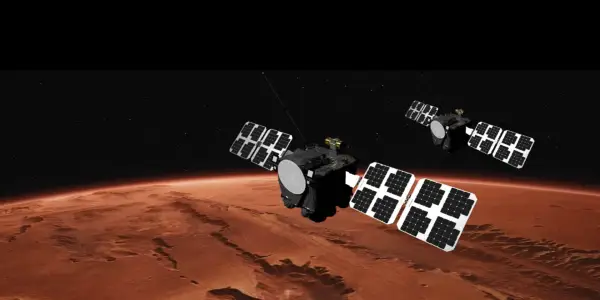
NASA's ESCAPADE Probes Set for Unique Journey to...
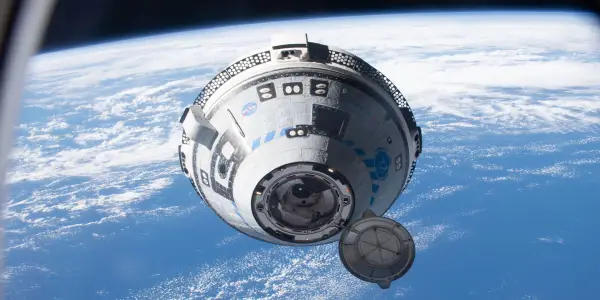
Boeing's Upcoming Starliner Mission Set for April...
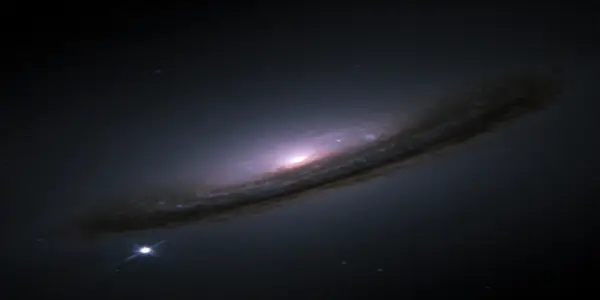
Study Suggests the Universe's Expansion May Be...
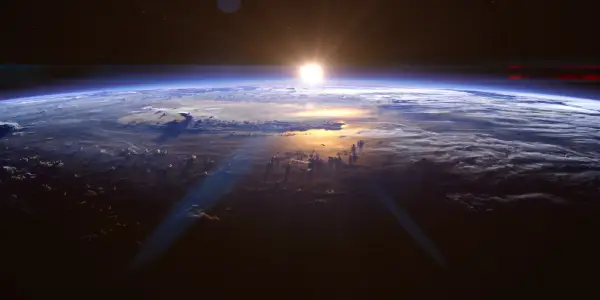
Portal Systems Aims to Revolutionize Spacecraft...
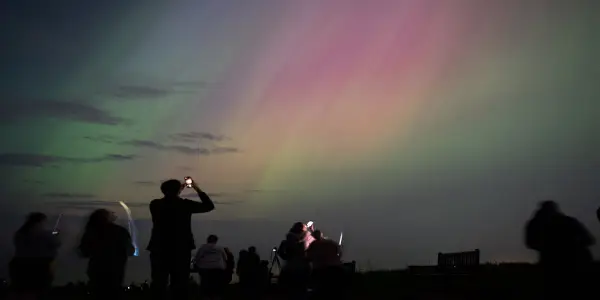
Intense Solar Storm May Illuminate Skies Across...
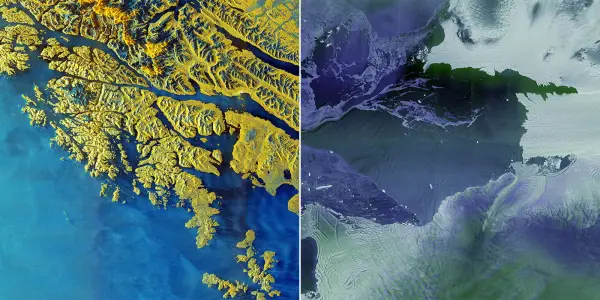
European Space Agency Unveils Stunning Radar...
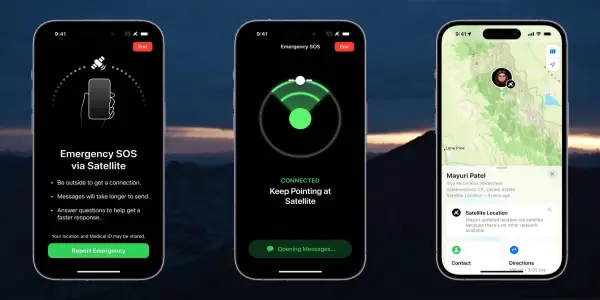
Apple Introduces Emergency SOS via Satellite in...
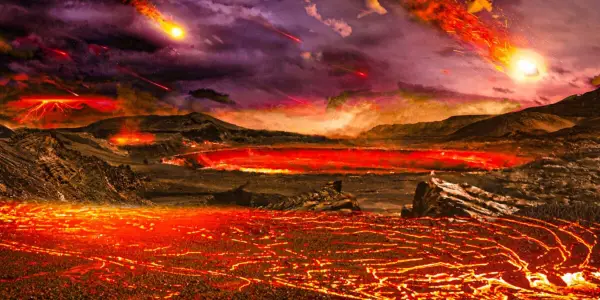
Ancient Earth Chemistry Discovered Beneath Modern...
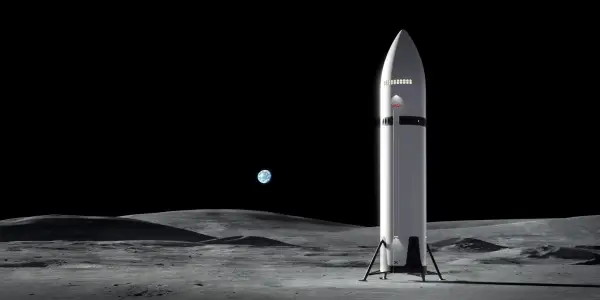
NASA Considers Reopening Bidding for Artemis 3...
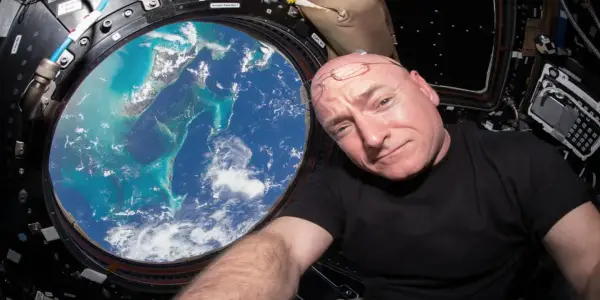
Italian Producer Plans Historic Film to Shoot in...
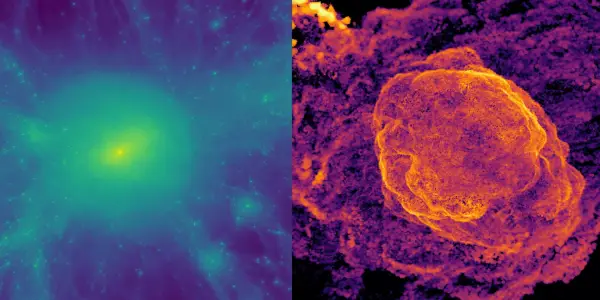
New Simulations Shed Light on the Enigmatic...

Exploring Alternatives to the Meta Quest 3 Elite...
Potential Alien Disclosure May Trigger Bitcoin...
New Research Suggests Dark Matter Influences...
SpaceX Faces Challenges in Meeting NASA's 2027...
Young Canadian Astronomer Identifies Two...

OnePlus 15 vs. Samsung Galaxy S25 Plus: A Clash...
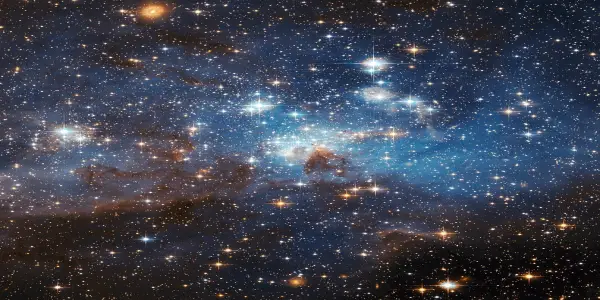
Mapping the Invisible: Astronomers Uncover Dark...
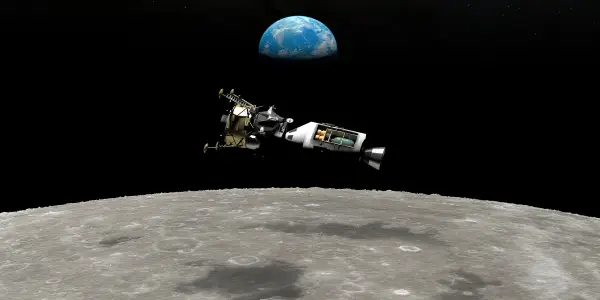
Assessing the Financial Impact of NASA's Apollo...
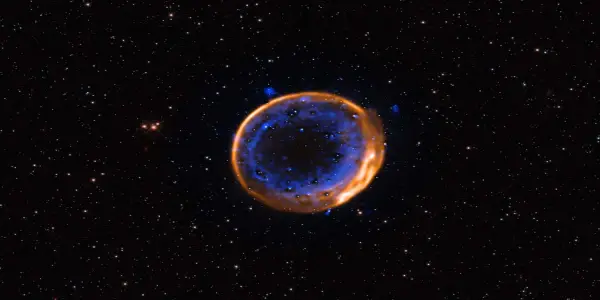
Highlights of 2025 in Space Exploration: From...
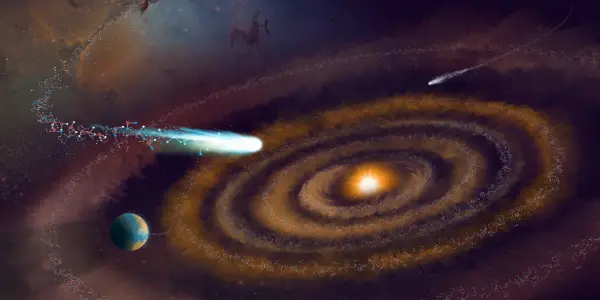
Astronomers Identify Ancient Water in...

Jonathan Davies Urges England to Create New...
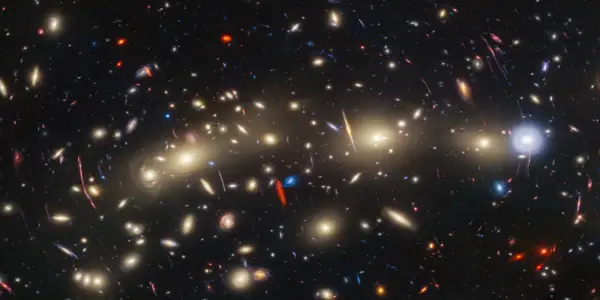
James Webb Space Telescope May Have Detected the...
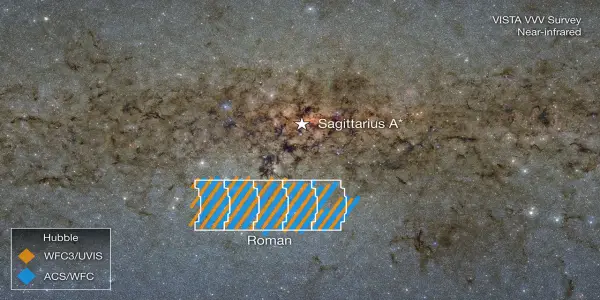
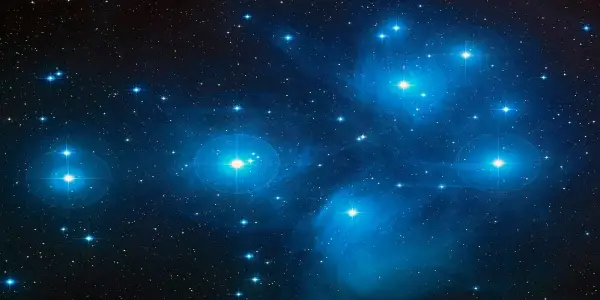
The Pleiades Star Cluster Reveals Its Extensive...
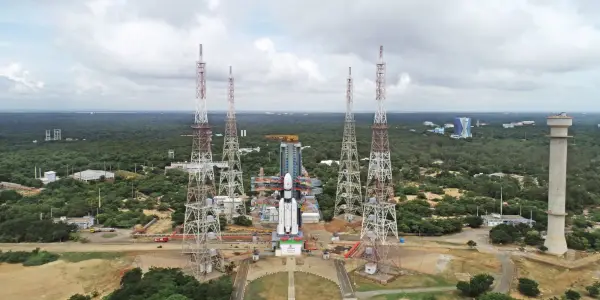
India Successfully Launches CMS-03 Military...

Meteorite Fragment May Have Impacted Houston Home
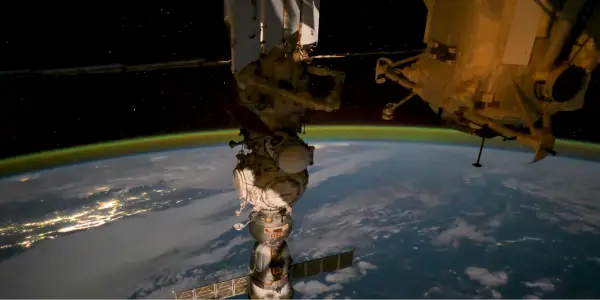
ISS Crew Takes Precautions Against Radiation...
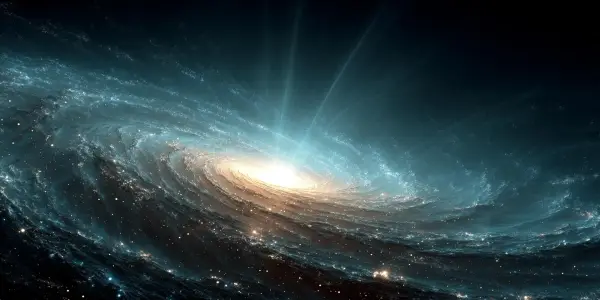
Astrophysicists Unveil Dark Universe Through...

Urwerk Unveils Limited-Edition 100V 'LightSpeed'...
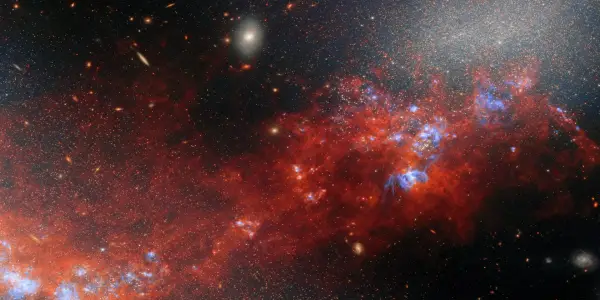
Astronomers Converge in Phoenix for AAS 247: A...
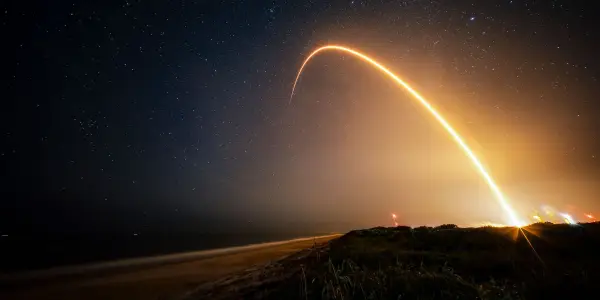
SpaceX Achieves 150th Falcon 9 Launch with...
NASA's Ambitious Timeline for Human Exploration...
Potential Evidence of Dark Matter Emerges from...
Breakthrough in Milky Way Simulation Using AI...