US-South Korea Agreement to Develop Nuclear-Powered Submarines Amid Rising Tensions
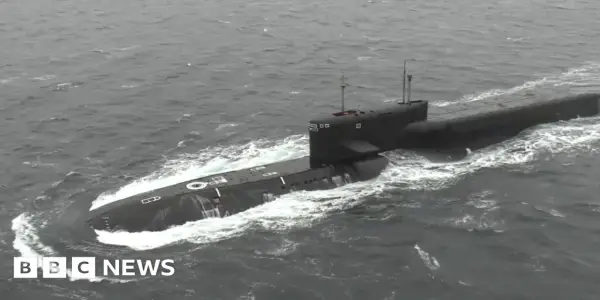
South Korea and the US have finalized a deal to develop nuclear-powered submarines, enhancing naval capabilities amid rising tensions with North Korea and Ch...
In-depth analysis
Background context
South Korea has entered a pivotal agreement with the United States to develop nuclear-powered submarines, a significant upgrade from its traditional diesel-powered fleet. This decision is influenced by escalating tensions in East Asia, particularly due to North Korea's advancing military capabilities and China's assertive stance, prompting a reevaluation of South Korea's defense strategy.
Key political implications
The agreement signals a deepening military collaboration between South Korea and the United States, potentially altering the regional power dynamics and intensifying the strategic rivalry between the US and China.
Who gains / who loses
South Korea stands to gain enhanced military capabilities and a stronger deterrent against North Korea, while the US solidifies its influence in the region. Conversely, China may perceive this partnership as a threat, prompting concerns about its own security interests and regional stability.
Possible future scenarios
Future developments could see increased military cooperation between South Korea and the US, while North Korea may accelerate its own military advancements. Additionally, diplomatic tensions with China could rise, complicating regional relations further.
Did you know?
Why you should know this
This agreement on nuclear-powered submarines signifies a pivotal shift in South Korea's defense strategy, directly affecting regional stability. With North Korea's military advancements and China's assertiveness, this collaboration not only enhances South Korea's military capabilities but also influences the safety and security of everyday citizens. As tensions rise, the implications of this deal could shape security policies, economic conditions, and even diplomatic relations for years to come.
Behind the political curtain
Despite its advanced civilian nuclear energy program, South Korea has historically been limited in military nuclear capabilities due to US-imposed restrictions following its 1970s nuclear disarmament. This agreement marks a significant departure from those constraints, allowing South Korea to develop nuclear-powered submarines for the first time.
Ordinary person in an extraordinary situation
Meet Jisoo, a 34-year-old teacher living in Busan. With the rising tensions in East Asia, she feels a palpable sense of unease. Jisoo often discusses these geopolitical issues with her students, emphasizing the importance of peace and diplomacy. The news of South Korea's nuclear submarine deal impacts her deeply; she worries about the future stability of her country and encourages her students to think critically about international relations. For Jisoo, this agreement isn't just a military development—it's a matter of safety for her family and community. She hopes that this step will deter aggression and foster dialogue, yet she remains vigilant, understanding the complexities of defense strategies in a volatile region.
European Automakers Face New Chip Shortage as...

China's Shift to a Cautious Research Strategy...

Exploring Intimacy and Isolation in Claire-Louise...

UK Finalizes £8 Billion Typhoon Fighter Jet...
Sanae Takaichi: Japan's First Female Prime...
Egypt Affirms Commercial Nature of Gas Agreement...

Algeria Grants Pardon to Jailed Novelist Boualem...
South Korea Rebuilds Trust and Reassesses Foreign...

Colombia's ELN Rebels Intensify Military Drills...

Comet 3I/ATLAS Continues to Mystify Scientists...

Miss Universe Cayman Islands Advocates for Global...

The 1969 Sino-Soviet Border Conflict: A Near Miss...

Exiled Russian Orthodox Leader Responds to Spying...
Zohran Mamdani's Vision for Global Municipal...

Baden Bower Reduces Pitch-to-Publish Timeline by...
US-South Korea Agreement to Develop...

Hungarian Prime Minister Viktor Orban Engages...

Nevada's Governor's Office Allegedly Intervened...

Iraq's Parliamentary Elections: Key Insights...
Syria's Foreign Minister Visits China to...

New Yorkers Kick Off Early Voting for Mayoral...

Jetpack Navigation 3 Achieves Stability for...
Japan and Finland in Diplomatic Tension Following...
Examining Trump's Claims of Resolving Conflicts:...
Key Insights from Trump's National Security...

NASA Unveils Stunning Images of Interstellar...

Mamdani's Victory: A Turning Point for the...

U.S. Lawmakers Express Concerns Over Trump...
Italy's PM Meloni Responds Firmly to Trump's...
Bangladesh's International Crimes Tribunal...
Six Finalists Announced for the 2026...

Inquiry Critiques Scottish Government's Covid-19...
Sias University Adapts to Modern Educational...

Trump Appoints Special Envoy to Greenland,...
Denmark's Prime Minister Advocates for Stricter...
Kenya Urges Protection for Citizens Amid...

The Rise of Technocracy in Modern Governance
Canada's Carney to Meet Xi in China, Signaling a...

NFL Players Union Faces Grievance Over Annual...